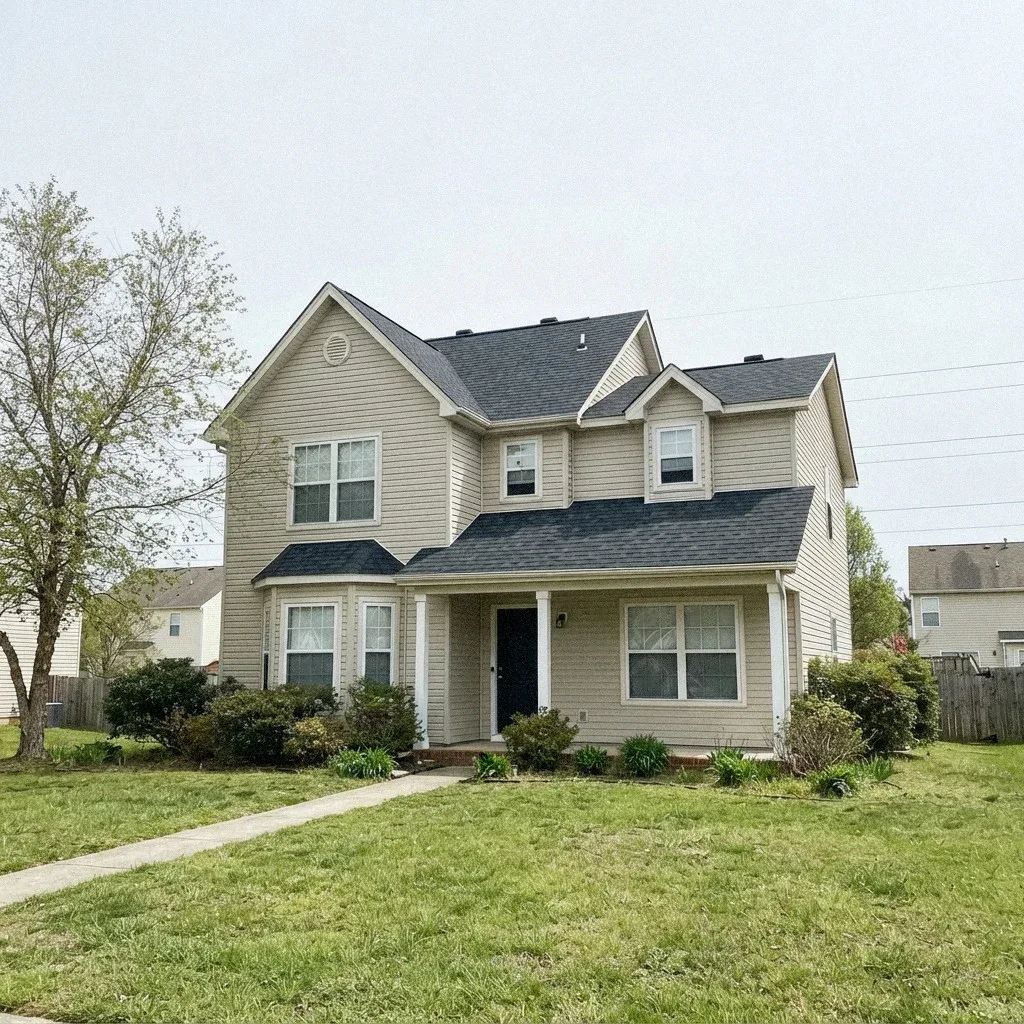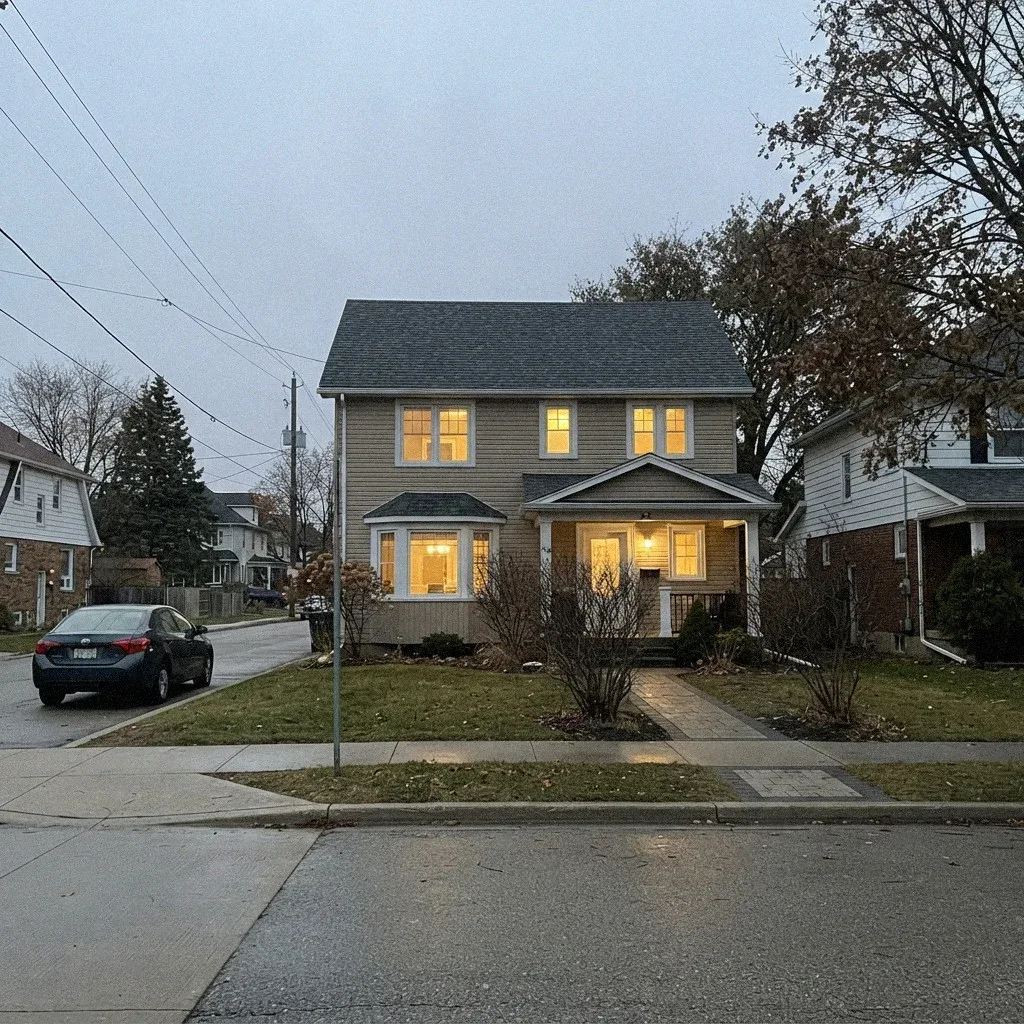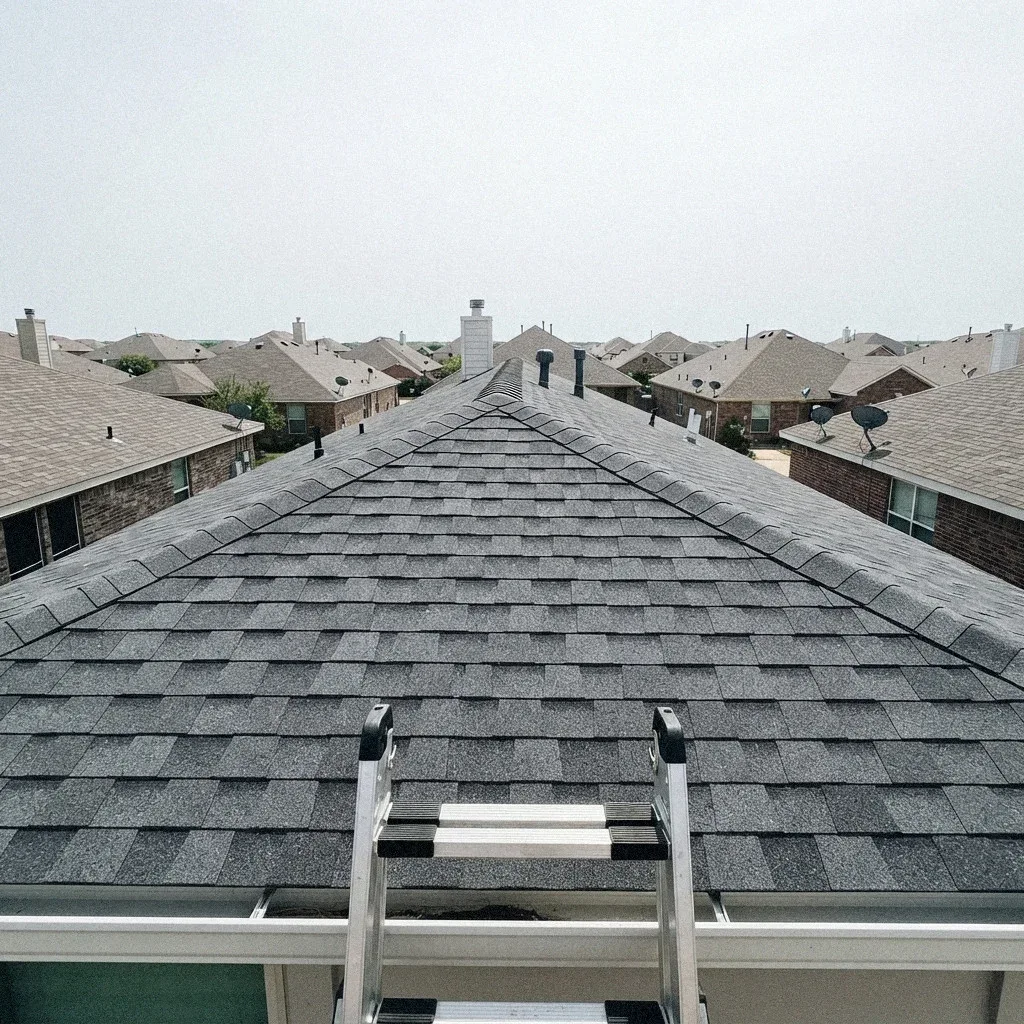
A reroof in Simi Valley depends on more than the materials going down. Between tear-off and the last course laid, the deck sits exposed, and the bond that holds shingles in place needs specific conditions to form. Homeowners near Wood Ranch or Tapo Canyon often assume any warm day works, but the timing behind a reroof matters as much as the crew doing it.
Sealant Strips Need Warmth
Composition shingles carry a sealant strip along the underside that bonds to the course beneath it through heat. Warm surface temperatures let that strip soften and press flat, locking the shingle down against wind lift. Cooler days slow that process, leaving a weaker bond for longer. Simi Valley's stretch of hot, dry afternoons gives that strip the thermal sealing it needs without waiting weeks for a cool morning to warm up first.
An Open Deck Has No Protection
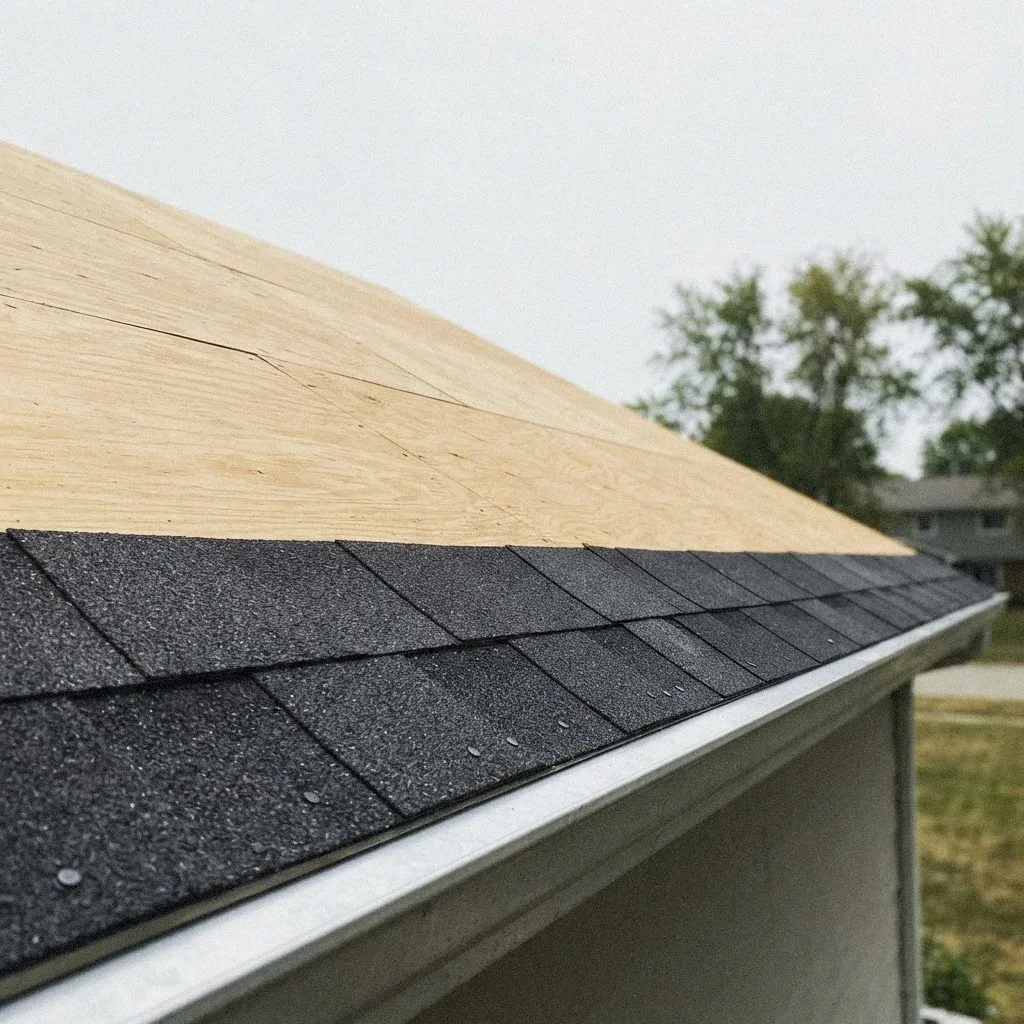
Between the old covering coming off and the new one going on, the deck is the only thing between the house and the weather, and bare plywood is not a roof. Underlayment goes down the same day for exactly that reason, so the house is dried in each evening rather than left open overnight. The dry season still matters because underlayment is a temporary defense rather than a permanent one: it handles an overnight surprise, not a full day of driven rain. Working in a stretch where rain is not plausible removes the question altogether.
The Valley's Reliable Dry Stretch
Simi Valley's rainfall is light and mostly confined to a short winter season, leaving long dry stretches the rest of the year. Summer and early fall are when Santa Ana wind days and steady heat dominate, giving crews the most consistent weather window for tear-off work. Outside that stretch, the odds of a rain delay climb, especially once the winter pattern sets in near the Santa Susana Mountains.
Why the Calendar Fills Fast
Because the dependable dry stretch is limited, most roofing crews serving Simi Valley are trying to book the same months. That overlap builds a scheduling backlog before summer heat has even settled in. A homeowner who waits until a July heat wave to call is competing with everyone else who had the same idea, and the calendar reflects it fast.
What Peak Season Looks Like Here
In practice, peak season means the phone answered slower and the first available date further out. From roughly late spring into early autumn the crews working Simi Valley, Moorpark and Thousand Oaks are all booked into the same window, so a job that takes two weeks to schedule in April can take six in August. Material lead times stretch at the same time, particularly for tile profiles that have to be ordered rather than pulled off a shelf. None of that changes the price of the roof. It changes when the roof can happen.
Lead Time Is More Than Ordering
Lead time for a reroof rarely starts the day a crew shows up with materials. It starts with an inspection, a written estimate, and then a wait for an open date in a scheduling backlog that builds through the dry season. A homeowner near Wood Ranch or Bridle Path who calls in June is often working against weeks of jobs already lined up ahead of theirs before a ladder ever touches the house.
The Trade-Offs of Shoulder Season
Early spring and late autumn are the shoulders, and they are a real option with a real catch. Both bring shorter waits and more choice of dates, and both can deliver perfectly good weather for a week at a stretch. The catch is that neither offers any certainty. A spring job can meet a late storm and a late autumn job can meet an early one, and either way the deck is open when it arrives. For a roof with another season left in it, the shoulder is a reasonable gamble. For one already leaking, it is not.
Dry Ground Makes Staging Easier
Dry weather also simplifies the logistics around the house itself. Dumpster placement, material stacking near the driveway, and ladder access all go smoother on dry ground than on a saturated lawn that can rut or shift under weight. For hillside lots common around Santa Susana Knolls, dry footing matters even more since slopes complicate staging on a good day.
What Early Booking Buys You
Booking during the dry months gives a homeowner more say over the calendar than someone who waits. A resident near Wood Ranch or along Sycamore Road who calls in early summer can usually pick a start week that fits their schedule, not just whatever is left. Waiting until Santa Ana wind season or the first fall rain narrows those choices fast, since everyone else on that same stretch of roof life is calling at once.
Signs Worth Watching For
Cracked or curling tile edges, granule buildup in the gutters, or a roof that has baked under valley sun for two decades or more are all worth noting before the dry window closes. These signs do not demand an immediate response, but they are useful information for deciding when in the season to start making calls.
Starting the Conversation Early
There's a reasonable middle ground between panicking over a roof and letting it ride another year. A homeowner near Rancho Madera Community Park or Tapo Canyon who notices lifted tile edges or granules collecting in the gutters doesn't need to act that same week, but shouldn't wait until the scheduling backlog is deep either. A call placed while the weather window is still wide open gives the most room to plan.
Dealing with this in your home?
Simi Valley roofs face a different clock than shaded lots elsewhere. Tract homes off Erringer Road and near Rancho Simi Community Park sit exposed under direct sun for decades, with Santa Ana winds testing every loose tile between First Street and the Santa Susana foothills. Red flag warning days push that timeline faster than most homeowners expect.