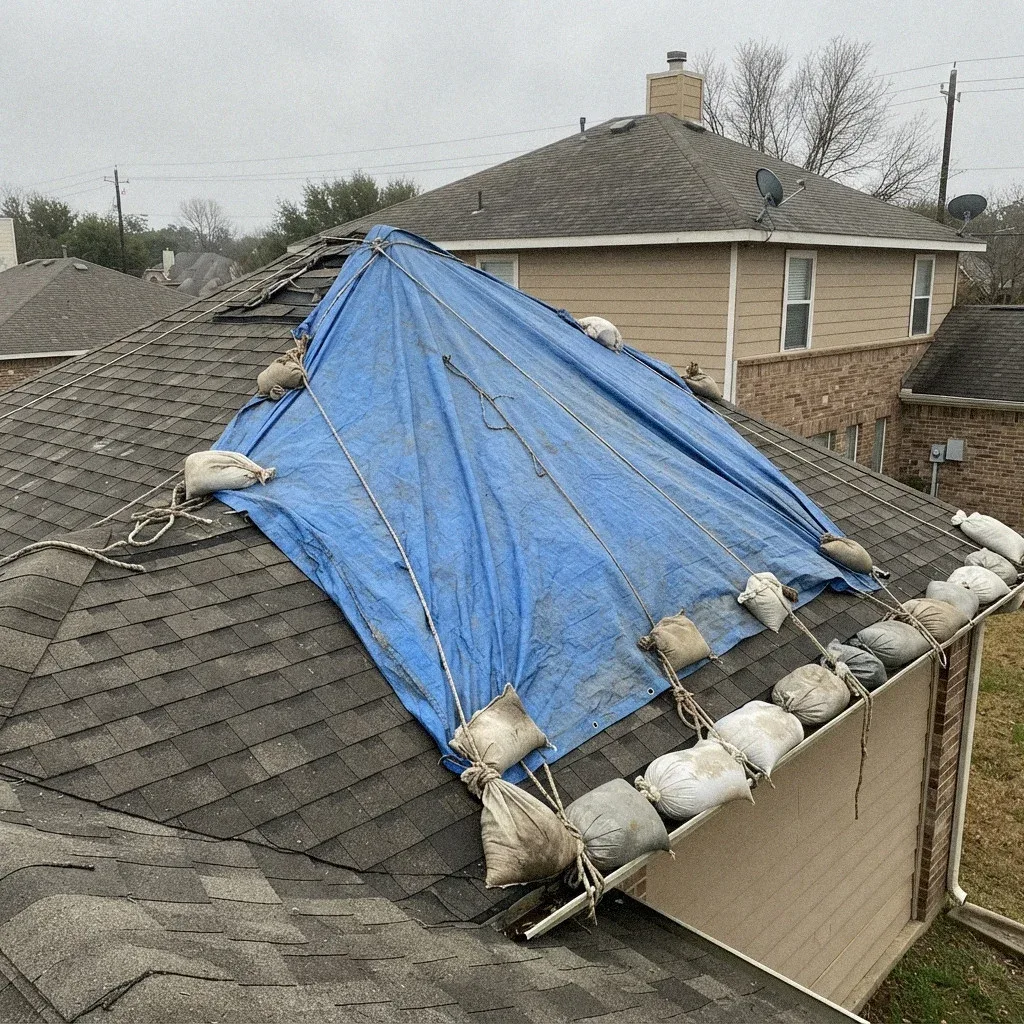
Emergency Roof Tarping
Water coming through your roof? Call now and we'll connect you with a local licensed pro to tarp it fast.
Learn about Emergency Roof TarpingA 1987 split from Canoga Park, mostly postwar tracts against Escorpión Peak's slopes.
West Hills is a Los Angeles neighborhood, split off from Canoga Park in 1987, sitting west of the valley floor against the hills. Most of its houses date from the 1940s through 1969, tract-built on individual lots, and the streets climbing toward Escorpion Peak catch more sun and wind than the flatter blocks below. It sits inside Los Angeles city limits, so roofing work here is permitted through Los Angeles rather than Ventura County.
The daily swing between hot afternoons and cool nights stresses roofing materials more than any one storm does.
Whatever the build year in West Hills, tile and shingle give out in different places. Tile rarely fails as tile: the underlayment beneath it goes first, quietly, while the surface still looks sound from the street.
West Hills sits west of the valley floor, so lots climbing toward Escorpión Peak take direct sun and wind most days. Santa Ana wind events push harder against those west-facing slopes than against the flatter tracts below, aging tile and underlayment faster on the hillside streets. The dry months matter more than the wet ones for scheduling roof work. Once winter rain arrives it tends to come in short, heavy bursts rather than spread evenly, so any repair started too close to that window risks getting rained out mid-job.
Treat these as a guide rather than a quote. What moves the figure is the category of water, the size of the property, and how long it has been sitting.
| Service | Estimated cost |
|---|---|
| Emergency Roof Tarping | an estimated $350–$1400 |
| Roof Leak Repair | an estimated $450–$2400 |
| Storm & Wind Damage Roof Repair | an estimated $900–$7500 |
| Roof Repair | an estimated $400–$2200 |
Homes climbing toward Escorpión Peak face more direct Santa Ana wind exposure than the flatter tract streets below, which matters for tile roofs that have baked through decades of valley heat.
Streets near the old Owensmouth site follow an older survey pattern than the newer hillside cul-de-sacs, so lot sizes and setbacks shift block to block once you cross into that section.
West of Valley Circle Boulevard, lots back directly onto open hillside, so wind-driven debris and dry brush sit closer to rooflines than on the interior tract streets further east.
Water coming through your roof? Call now and we'll connect you with a local licensed pro to tarp it fast.
Learn about Emergency Roof Tarping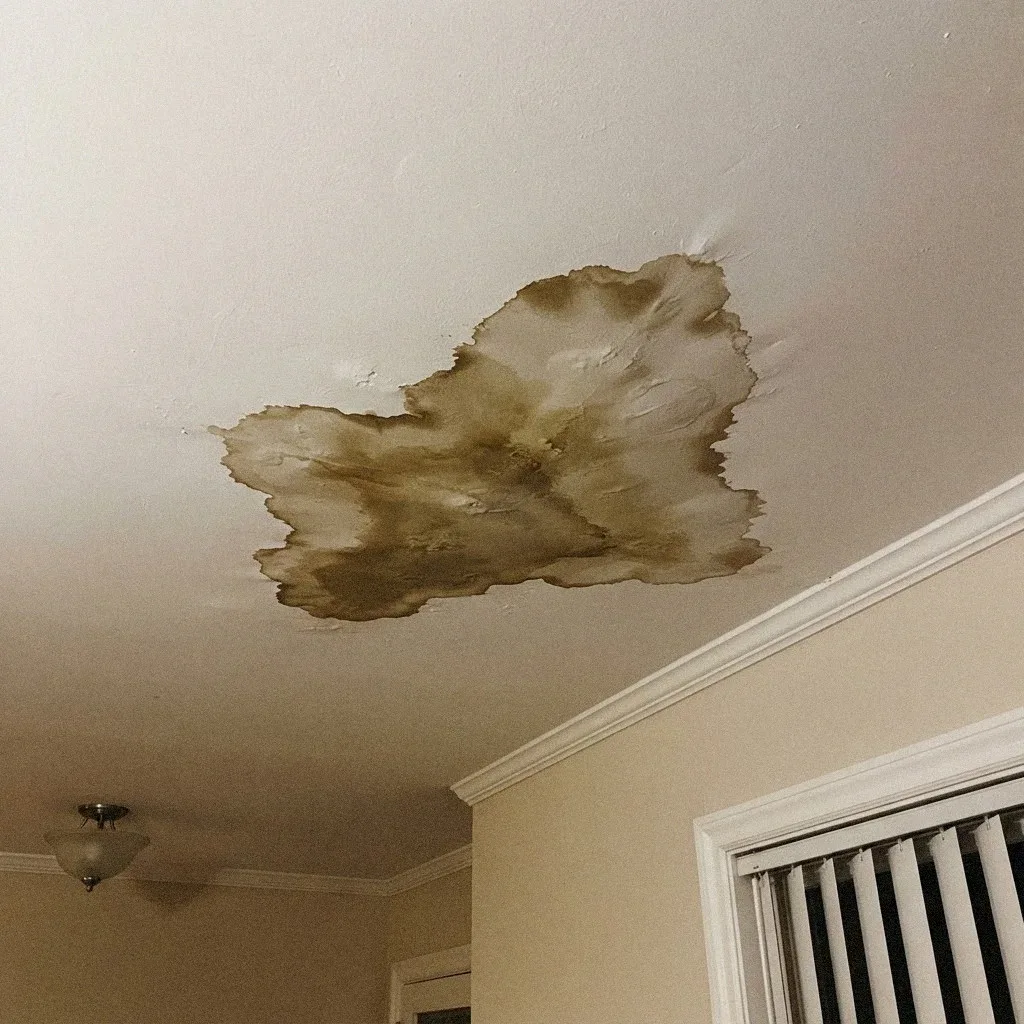
Local licensed pros trace your leak to where it really starts and fix it fast. Call (805) 463-1431.
Learn about Roof Leak Repair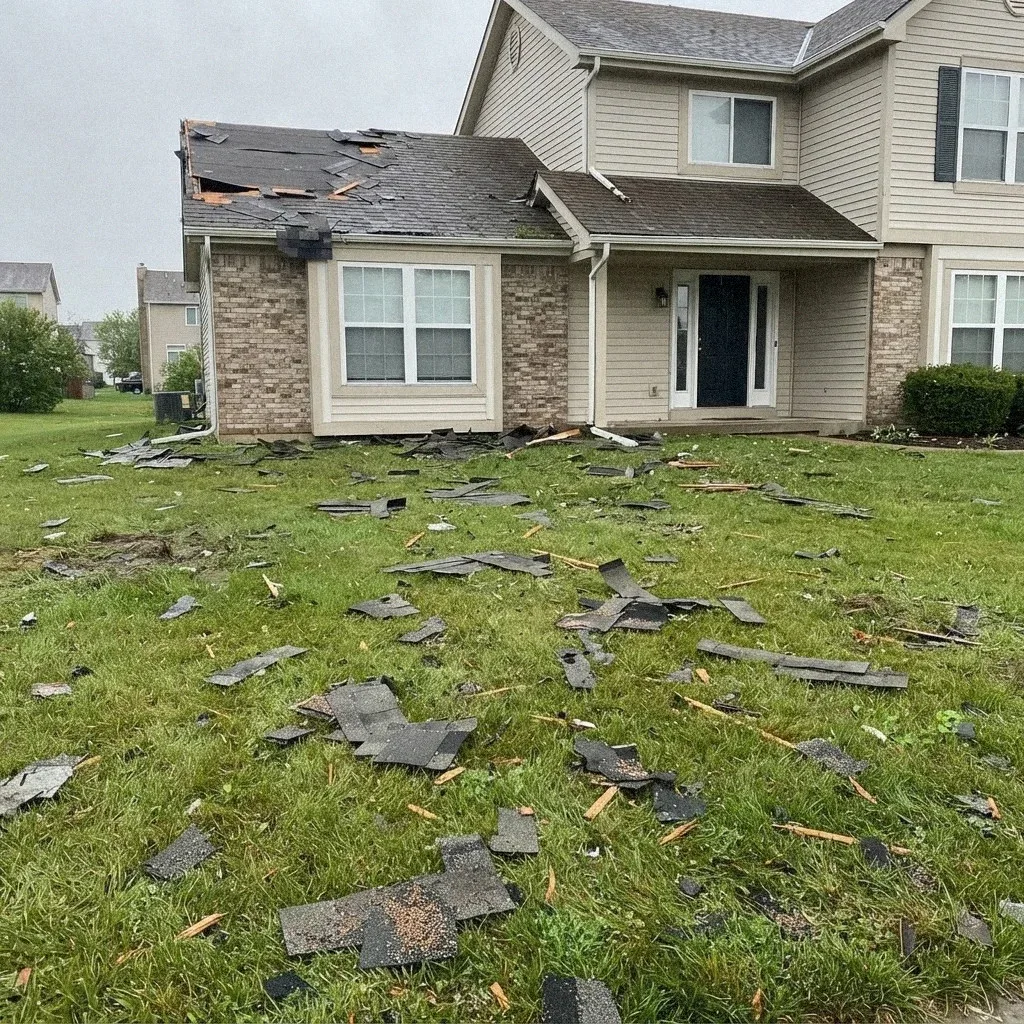
Fast inspection and repair after Santa Ana wind or a fallen limb. Call now, before the next gust.
Learn about Storm & Wind Damage Roof Repair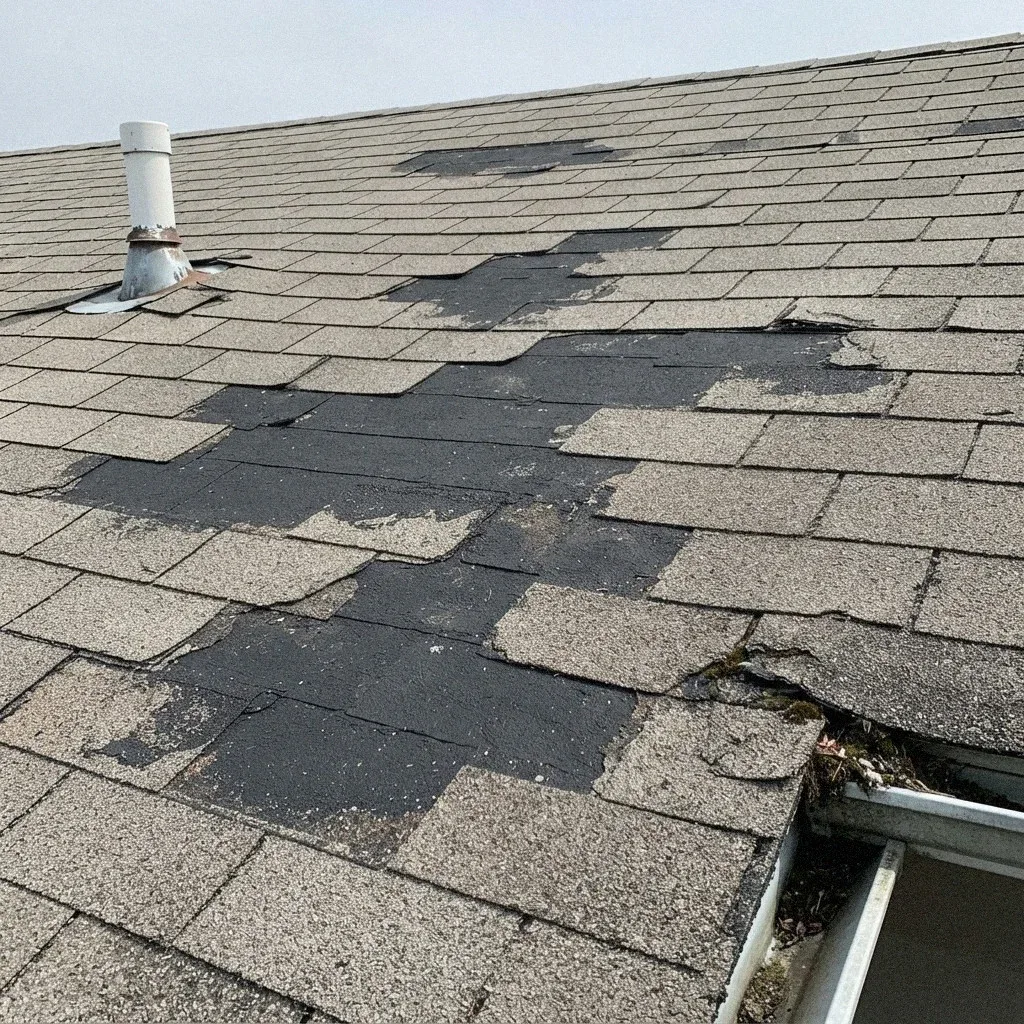
Targeted shingle, tile and flashing repairs from licensed local pros, for Simi Valley roofs still worth saving.
Learn about Roof RepairMost West Hills homes went up between the 1940s and 1969, before the neighborhood split from Canoga Park in 1987. That build era means original roof coverings and flashing on unremodeled houses are well past a typical service life, particularly on homes that never converted from the tile or shingle installed at construction.
Indirectly, and more than you would expect. The pass is the gap the Santa Ana wind funnels through, and West Hills sits at the valley end of it, so the streets nearest that opening take stronger gusts than the flat blocks further in. Wind does its damage at edges rather than in the middle of a slope: a ridge cap, a rake edge, the first course above a gutter. On a roof where the sealant has already gone brittle, that is where it starts lifting.
Lots climbing toward Escorpión Peak catch more direct sun and wind than the flatter tracts near the valley floor, which speeds up wear on tile and underlayment. Flatter interior streets with more tree cover tend to hold up longer between full roof replacements than the exposed hillside frontage.
No neighborhood-wide HOA covering roof material or color has been confirmed for West Hills as a whole. Individual subdivisions platted since the 1987 community split may carry their own architectural rules, so a homeowner should check their specific plat's covenants before assuming there are none.
The dominant 1940s-1969 build era means a large share of the housing stock is now well beyond a first or even second roof's expected life. Combined with hillside wind exposure near Escorpión Peak on some streets, that age is why re-roofing activity shows up more here than in newer-platted tracts nearby.
Usually the same day, yes. Urgent jobs jump the queue here: water coming through a ceiling, a slope torn open by wind, or a limb down on the roof. Those are taken around the clock. Anything that can safely wait is booked at the standard rate instead.
Every part of Simi Valley shares the same Santa Ana winds and long dry stretches between winter storms, but the effect on a roof shifts by location. Homes near Rocky Peak and the Santa Susana Mountains face different wind exposure than houses closer to Tapo Canyon Regional Park. Rather than assume your street matches a neighbor's, ask the licensed pros we connect you with what they see on roofs like yours in this specific part of the valley.
Call (805) 463-1431