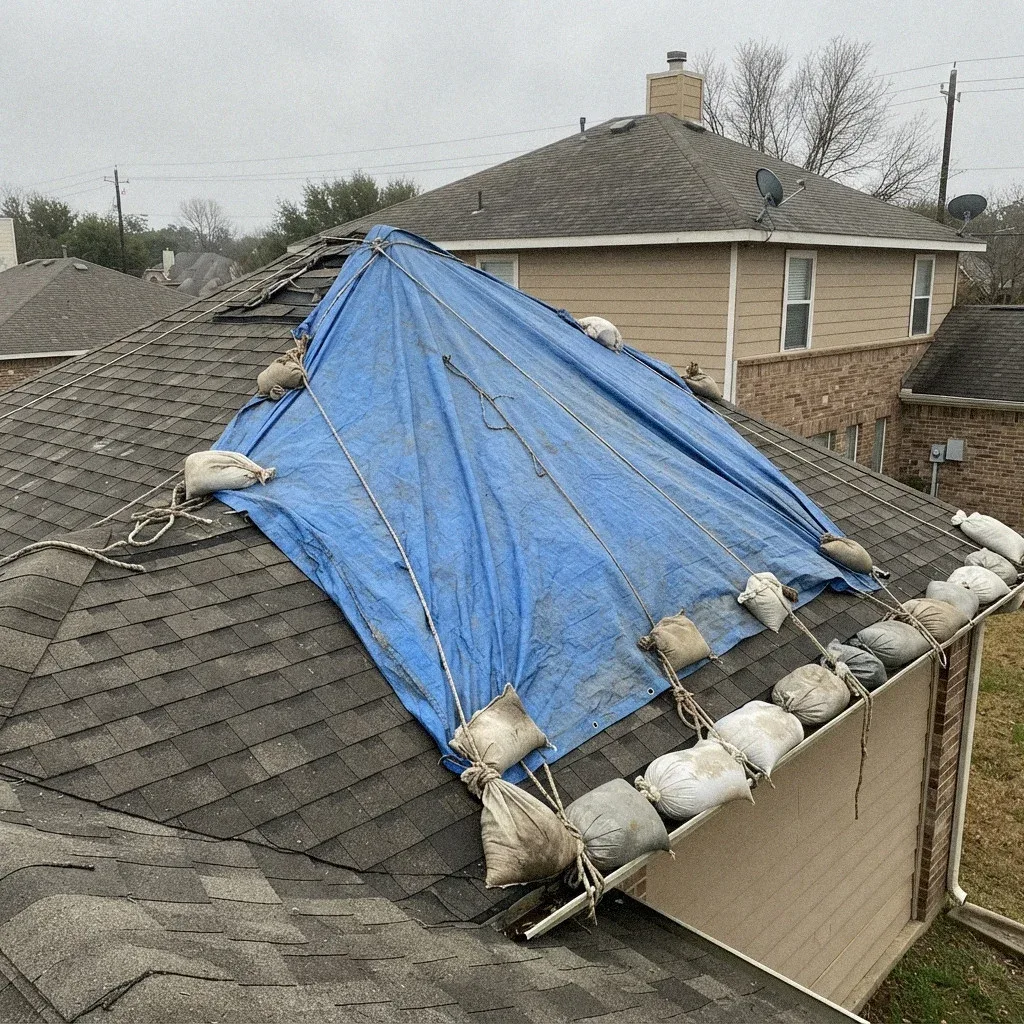
Emergency Roof Tarping
Water coming through your roof? Call now and we'll connect you with a local licensed pro to tarp it fast.
Learn about Emergency Roof Tarping
Concrete and clay tile sit over plenty of Simi Valley rooflines from the housing boom decades, with asphalt shingle covering the rest. A cracked tile near Wood Ranch or a worn shingle field off Cochran Street both call for a different repair approach.
Homes and businesses across Simi Valley, CA deal with Roofing challenges that shift with the seasons, and older properties in the area tend to feel them first. From Emergency Roof Tarping, Roof Leak Repair, Storm & Wind Damage Roof Repair, Simi Valley CA Roofing Pros focuses on the problems Simi Valley property owners actually face, not a generic checklist.
Rather than patching the stain, the roof is inspected from above and the water traced back to where it is actually getting in, so the repair holds through the next wet season. That is true whether you need Roof Repair and Flashing & Chimney Repair.
Simi Valley CA Roofing Pros covers Simi Valley and the surrounding Ventura County communities, from East Simi Valley and West Simi Valley to Wood Ranch and Bridle Path. The roofers on the other end of the call already work these streets, so the advice is grounded and there is no pressure to book on the spot. They know the area from Tapo Canyon Regional Park, Santa Susana Knolls, Los Angeles Avenue, Mount McCoy and beyond.
In Simi Valley, tile roofs baked by decades of sun tend to crack loose after Santa Ana wind gusts, and homeowners near Tapo Canyon or Bridle Path often find debris piled against valleys after red flag warning days. Aging tract homes near Rancho Simi Community Park see slipped tiles more than actual leaks.
Water is dripping or running through a ceiling, often after wind loosens tile or shingle. Call once the drip turns into a steady stream.
Emergency Roof Tarping →A brown ring rarely marks the spot right above the leak. Water runs along the deck and a rafter before it drops.
Roof Leak Repair →Tabs standing up along a slope, or shingles folded instead of torn, mean wind got underneath. Check exposed edges and corners first.
Storm & Wind Damage Roof Repair →A lifted shingle or cracked tab from Santa Ana wind pull is a spot repair, not a reason to reroof. Replacing just the damaged ones works when the deck and the surrounding shingles are sound.
Roof Repair →Rust trails on the counterflashing often show up before any shingle looks worn. The metal is failing at the seam.
Flashing & Chimney Repair →A brown ring at the corner of the frame can mean the flashing apron has pulled loose. It can also be an old stain from a storm that's already sealed, so confirm the source before ordering a repair.
Skylight Repair & Replacement →Storms here are rare but sharp, so most reroof work near Erringer Road or First Street happens in the long dry stretch between rain events. Flat and low-slope sections around older Old Town lots get checked first since they drain slower.
Water coming through your roof? Call now and we'll connect you with a local licensed pro to tarp it fast.
Learn about Emergency Roof Tarping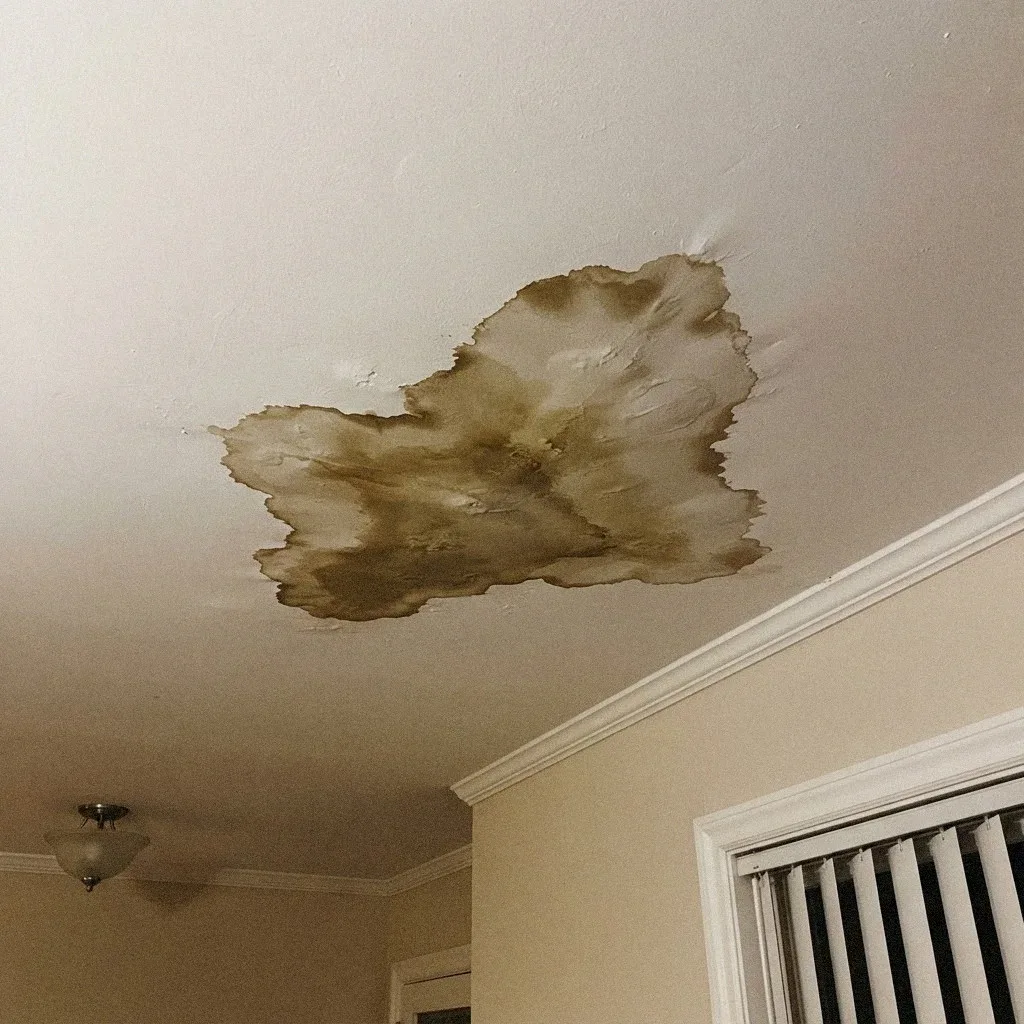
Local licensed pros trace your leak to where it really starts and fix it fast. Call (805) 463-1431.
Learn about Roof Leak Repair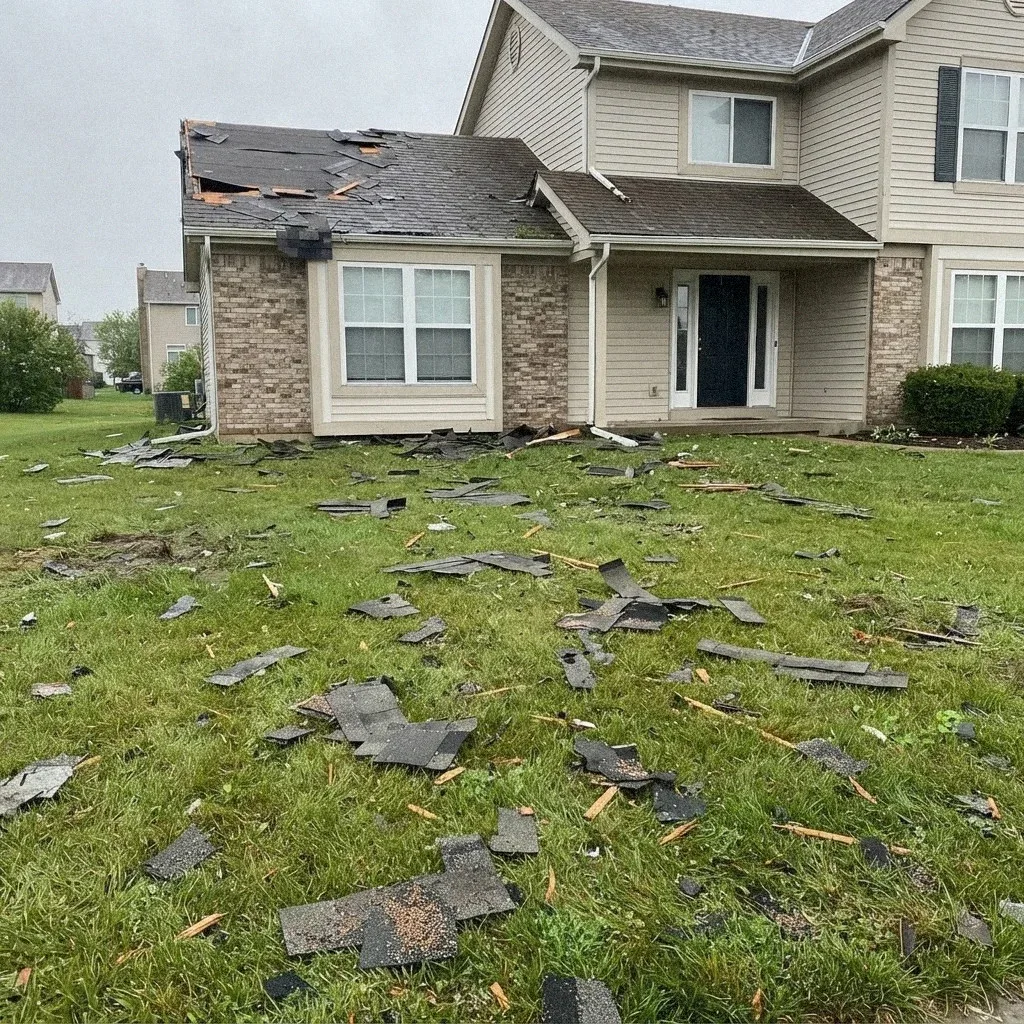
Fast inspection and repair after Santa Ana wind or a fallen limb. Call now, before the next gust.
Learn about Storm & Wind Damage Roof Repair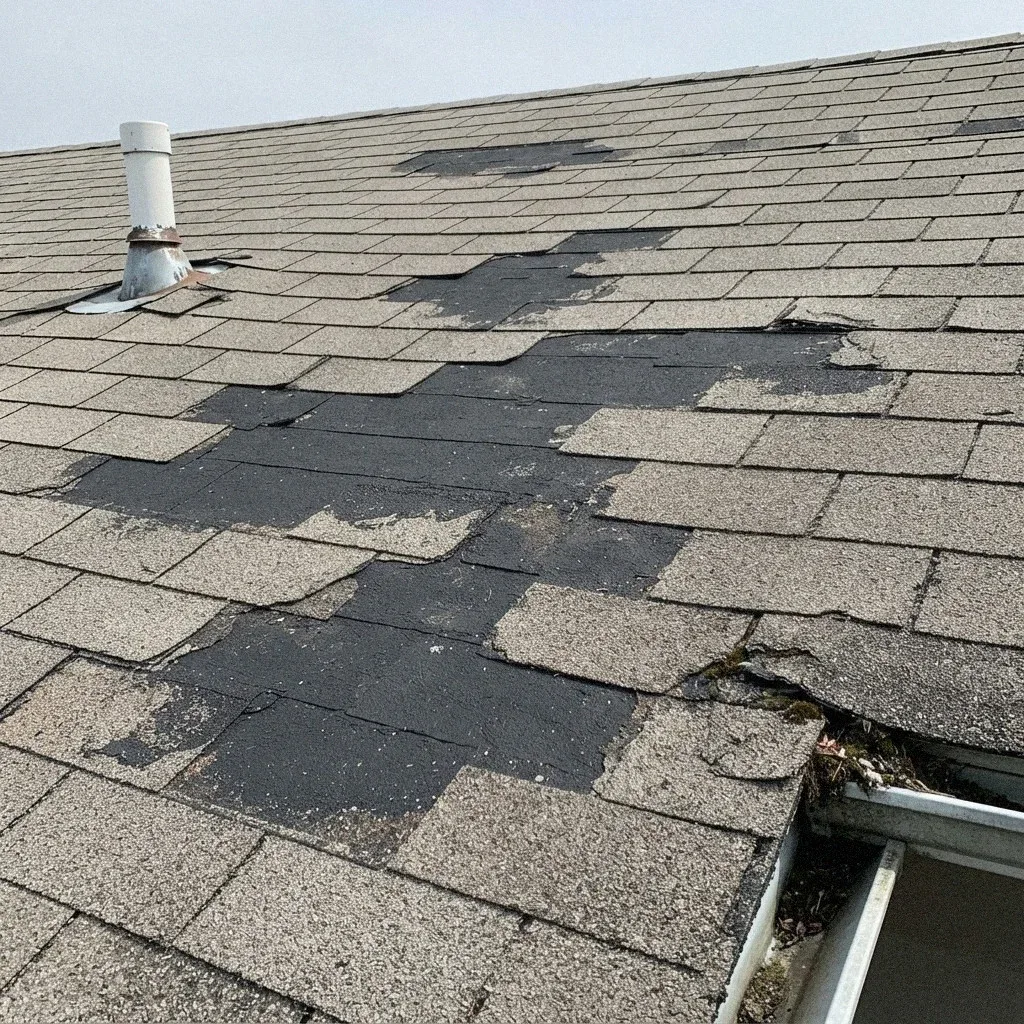
Targeted shingle, tile and flashing repairs from licensed local pros, for Simi Valley roofs still worth saving.
Learn about Roof Repair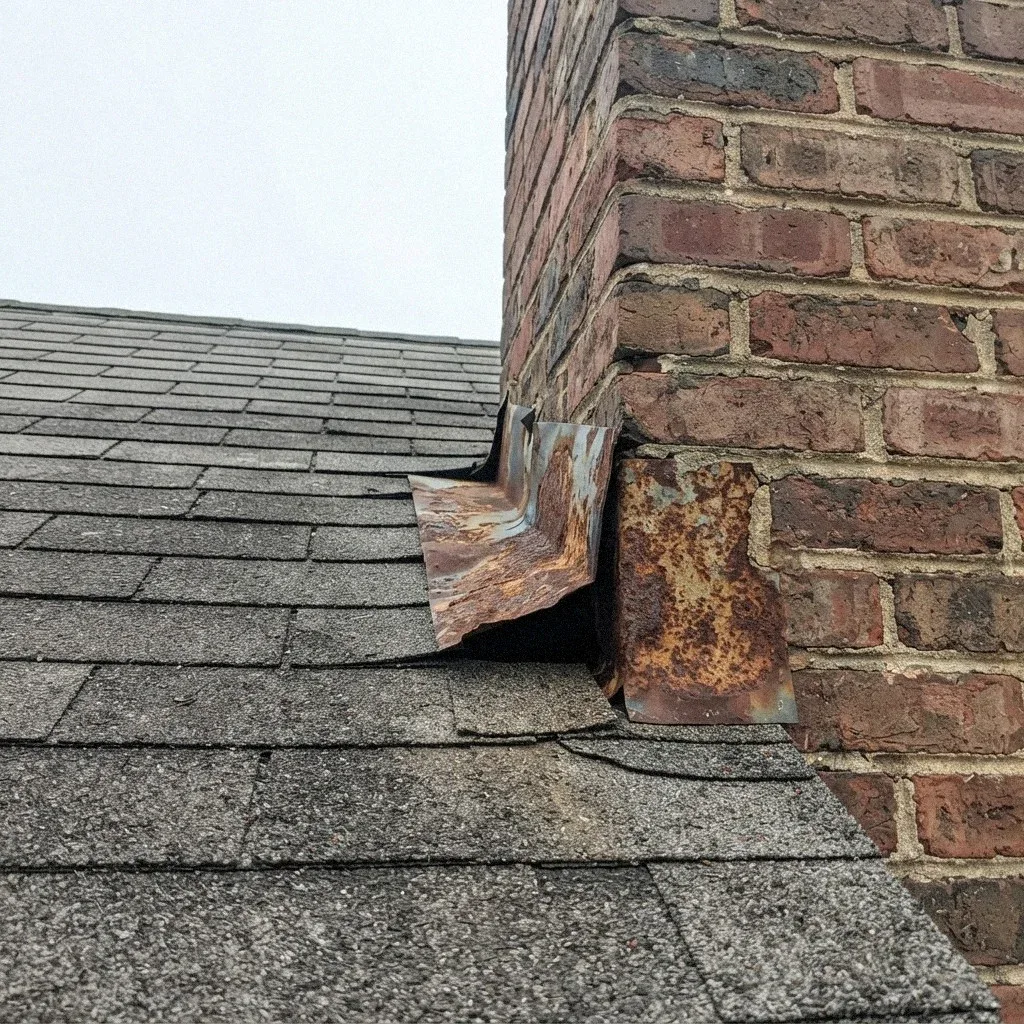
Rusted or loose flashing leaks long before shingles wear out. Get a local licensed pro on it now.
Learn about Flashing & Chimney Repair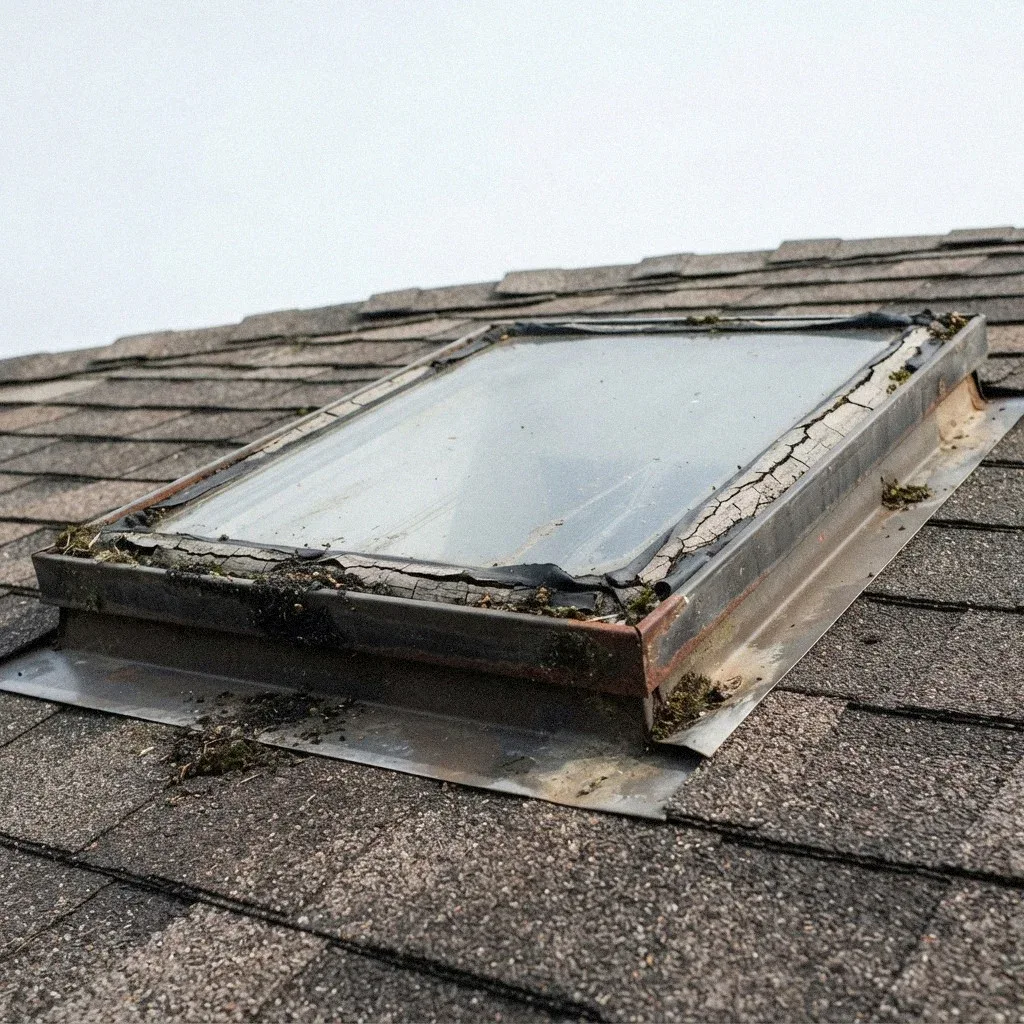
Find out if it's a leak or just condensation before you pay for either. Call (805) 463-1431.
Learn about Skylight Repair & Replacement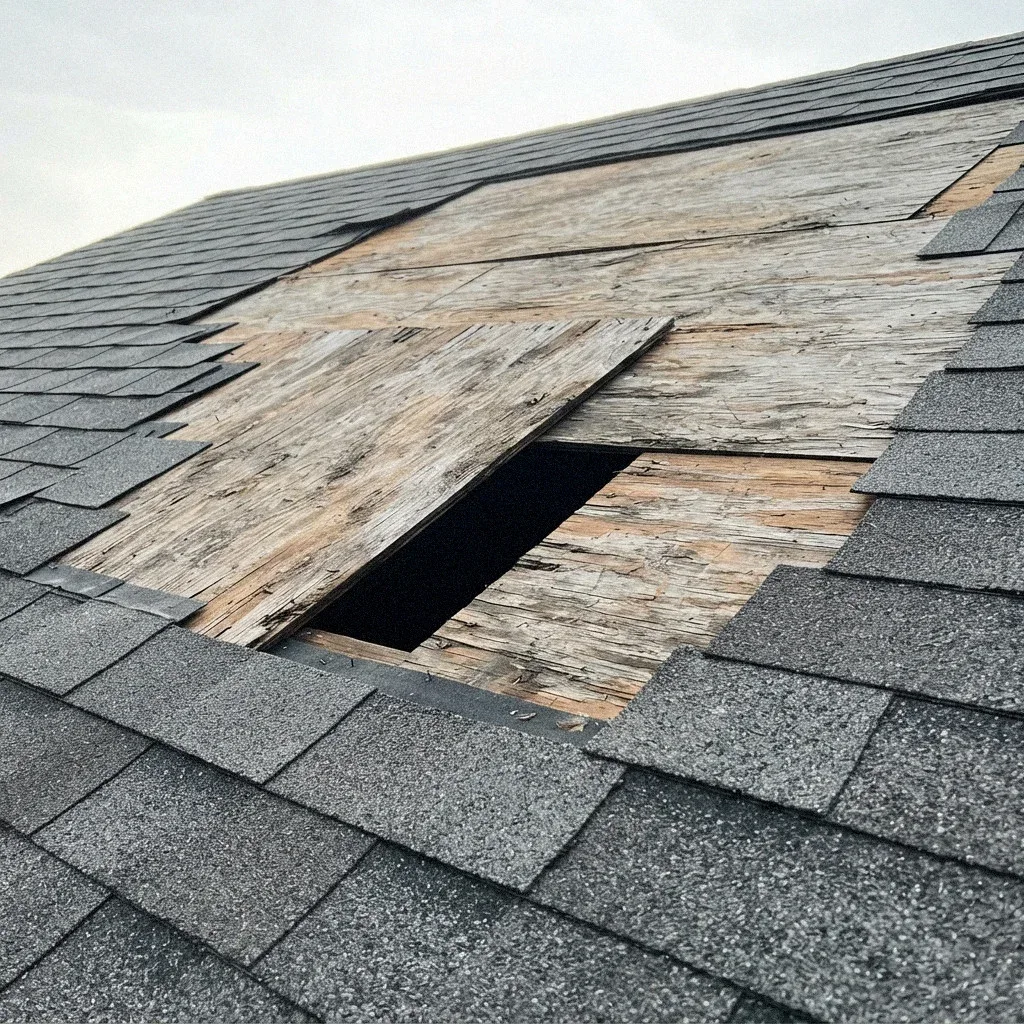
Soft, rotted decking cut out and replaced by a local licensed pro before the new roof goes on.
Learn about Roof Decking & Sheathing Repair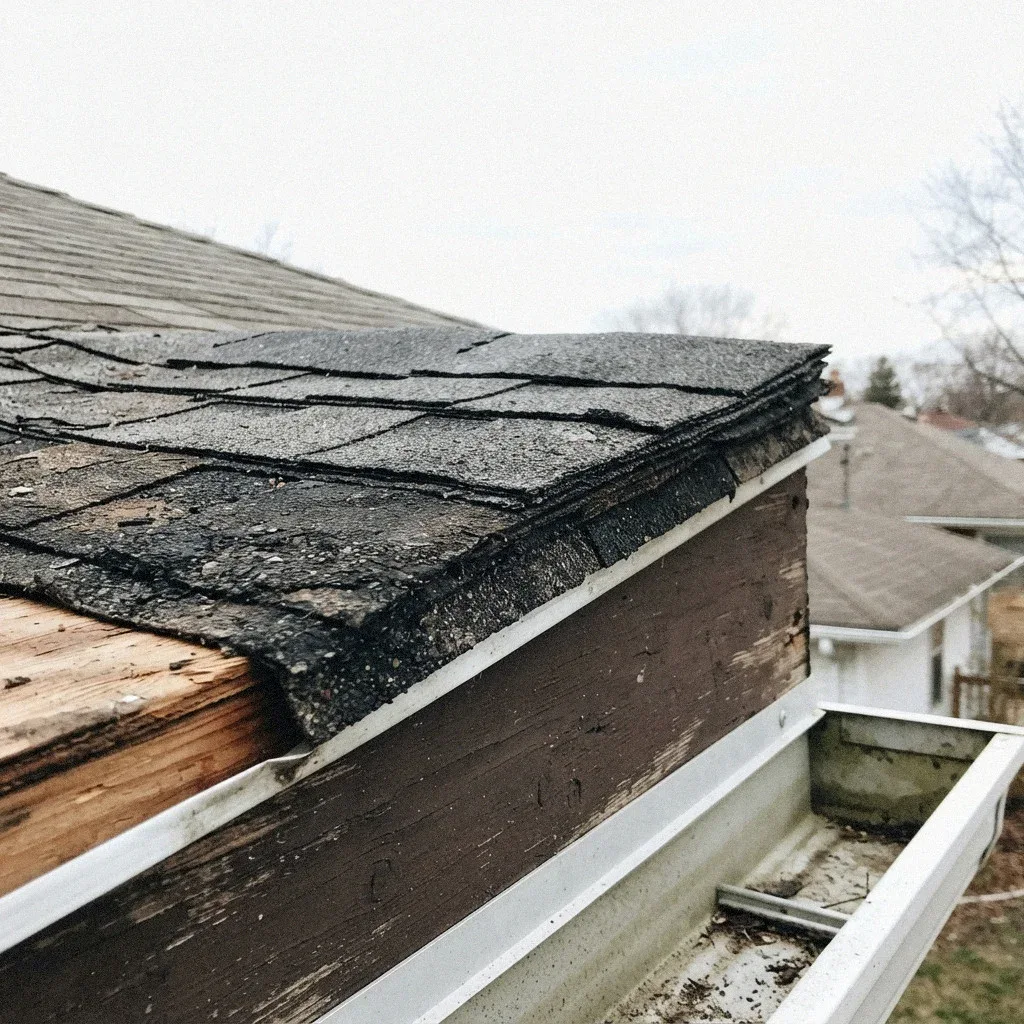
Full tear-off, yard protection and a clear written scope from licensed local pros. Call (805) 463-1431 now.
Learn about Roof ReplacementAsh from a dry-season fire and grit off the Santa Susana hillsides settle into every gap on a roof. Red flag warning days push wind into places moisture never reaches, working loose flashing near Tapo Canyon and the foothill lots by Bridle Path.
Tract streets under Mount McCoy meet unincorporated cabin lots near the pass. Call now for a licensed local roofer.
Roof repair in East Simi ValleyOlder tile-roofed tract homes near Tapo Canyon, close to the Moorpark line. Call now and we'll connect you with a local licensed roofing pro.
Roof repair in West Simi ValleySimi Valley's newest hillside subdivision, built from the mid-1980s on with curving streets, larger lots and Santa Ana wind exposure.
Roof repair in Wood RanchFast roof help for Bridle Path's equestrian lots, built almost entirely between 1976 and 1988 in Simi Valley's foothills.
Roof repair in Bridle PathNewer, larger no-HOA hillside homes near Tapo Canyon Road, built from the 1990s onward and exposed to Santa Ana gusts.
Roof repair in Big SkyOlder homes near the old depot, mixed with later infill, all inside Simi Valley city limits. Call (805) 463-1431 for a local licensed pro.
Roof repair in Santa SusanaA 1920s hillside plat of small, steep lots east of Simi Valley, where roofs follow the slope.
Roof repair in Santa Susana KnollsOlder lots and frontage near Los Angeles Avenue and Strathearn Historical Park, set before Simi Valley's 1969 city limits.
Roof repair in Old Town Simi Valley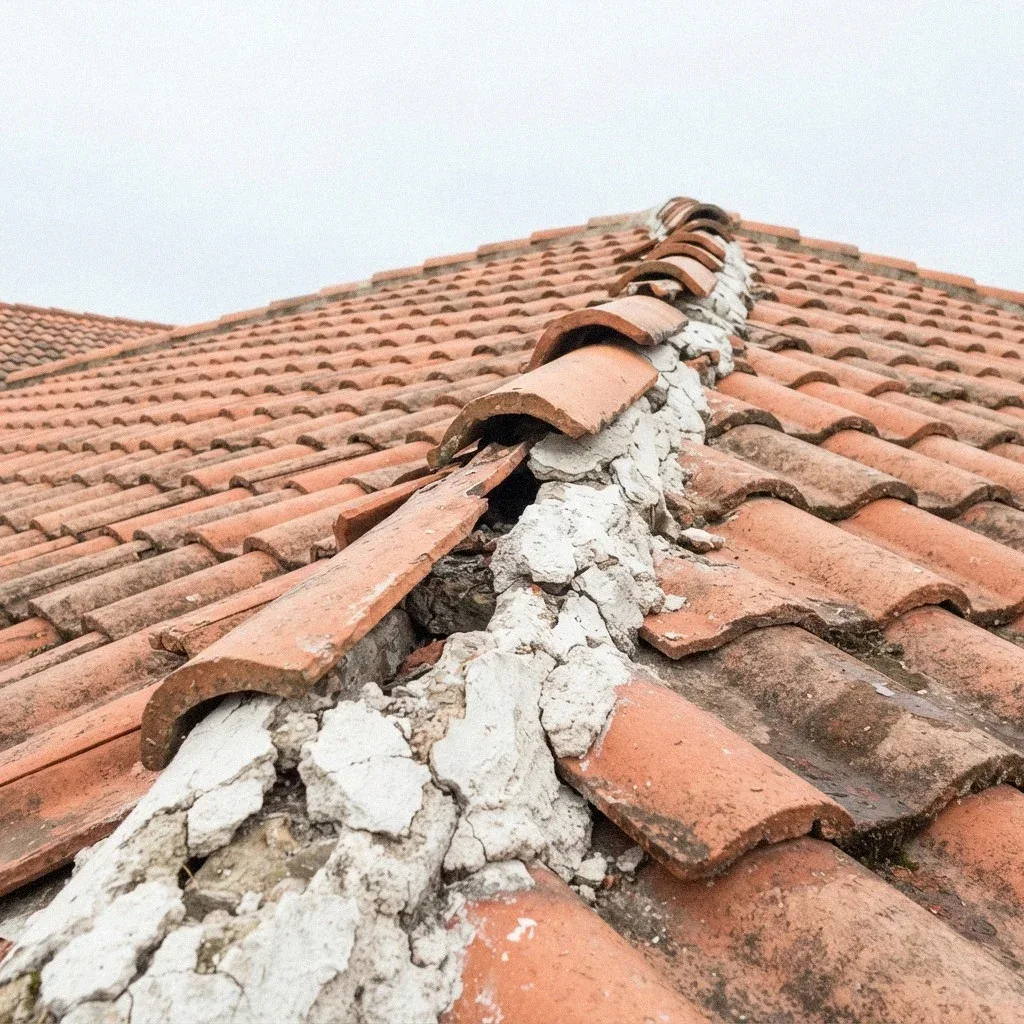
A ceiling stain sits where water arrived, not where it got in. On a tile roof the entry point is often a split underlayment seam or a length of failed flashing several feet uphill, and sealing the stain side achieves nothing. The pros connected here work back up the slope until they find the actual opening.
Storm season prep, early warning signs, and practical advice for Simi Valley homeowners.
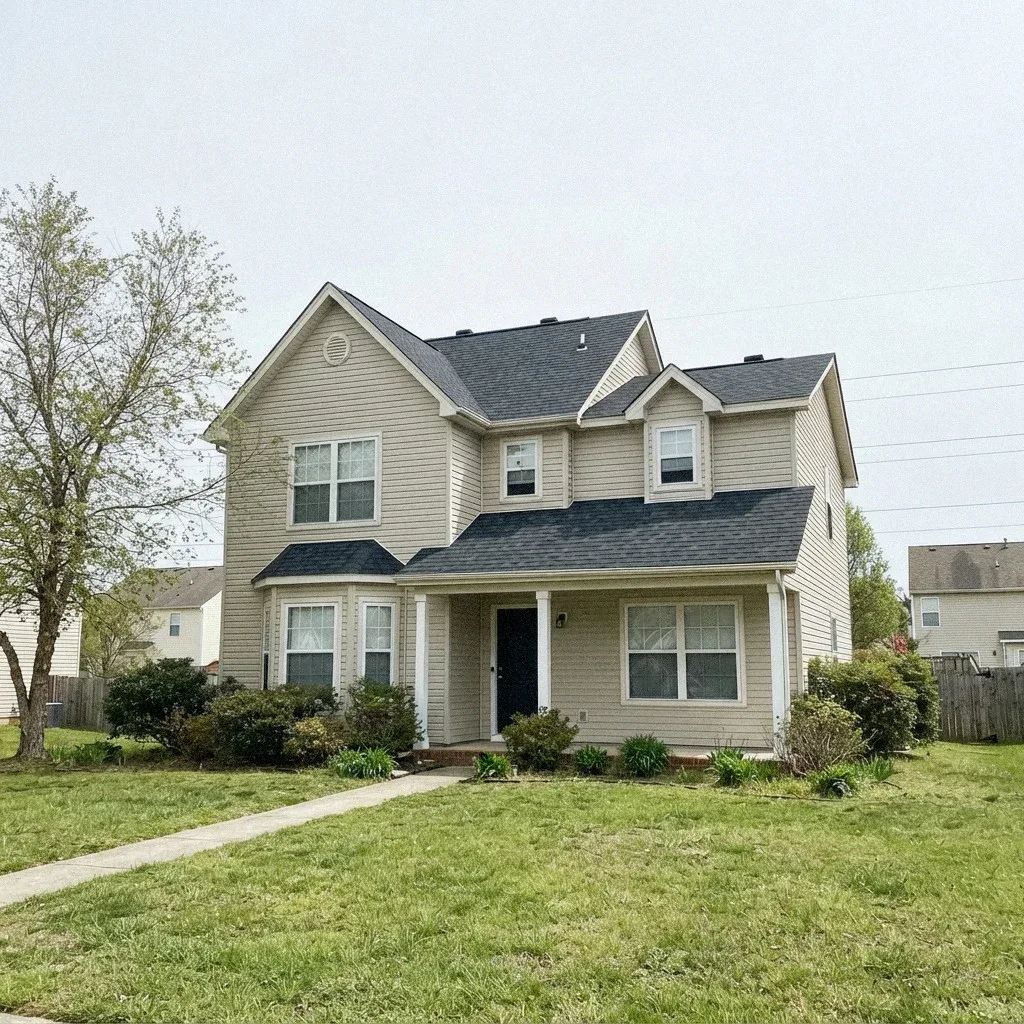
Roof color is a decision made on a sample card and then lived with from the sidewalk for twenty years. Undertone, contrast, and the houses either side of yours matter considerably more than the name printed on the swatch.
Read article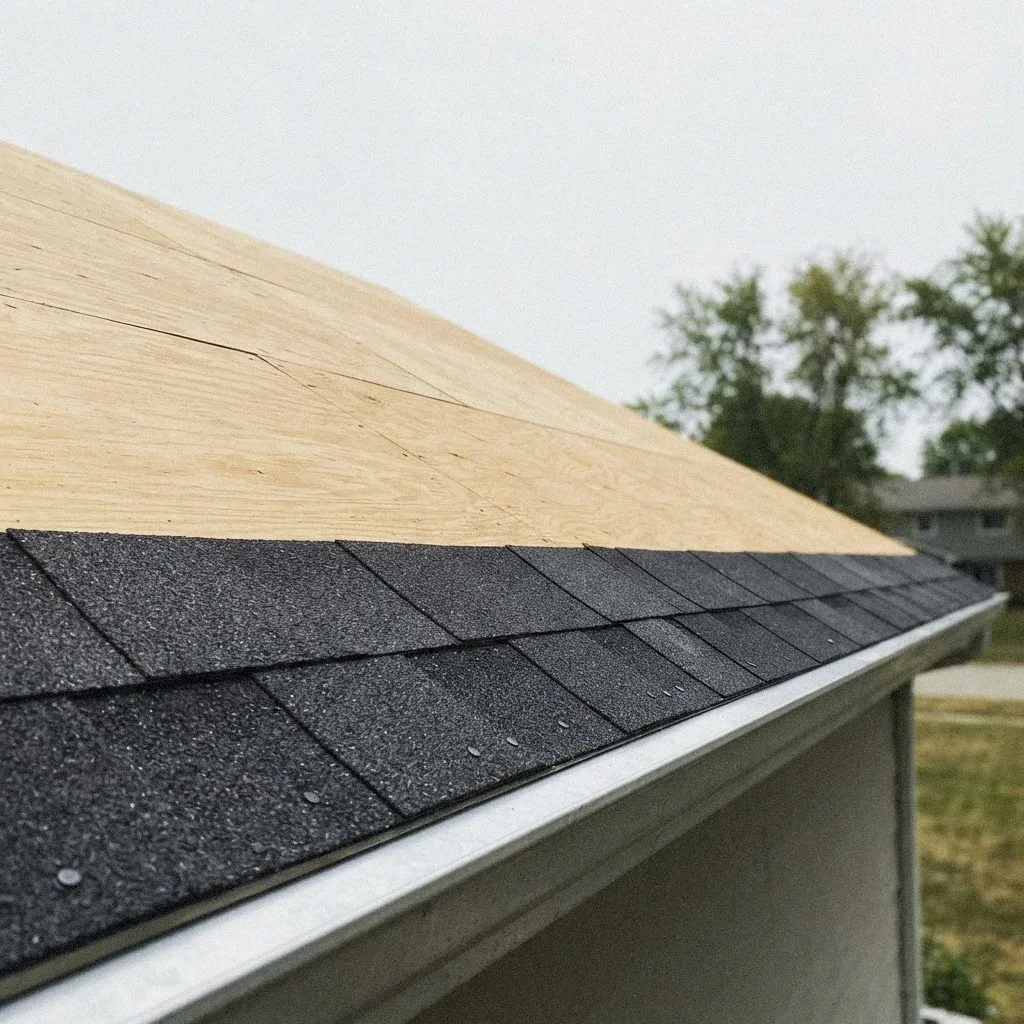
Both shingle types cover a Simi Valley roof, but they part ways in bundle weight, layers, and how much wind they can take. Here is what actually separates architectural from three-tab before you call a roofer.
Read article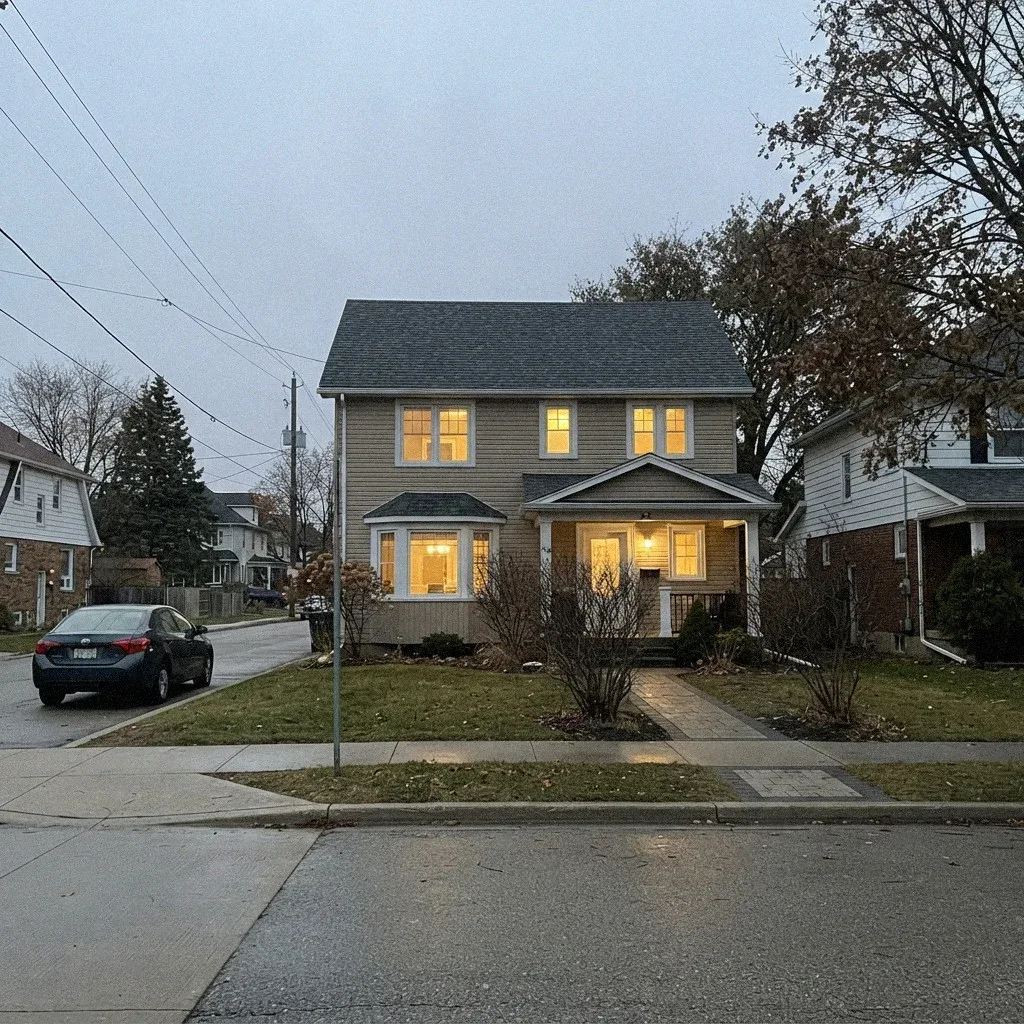
Cedar shake demands more attention than a tile roof does. Here's what cupping, splitting, keyways, and spaced sheathing mean for a Simi Valley home, and when repair no longer holds up.
Read articleHomes and businesses right across Ventura County. Call to check your street is covered and to have a licensed local roofer take a look.
In Simi Valley the first step is usually someone walking the roof and the attic both, since tract homes off Erringer Road or near Bridle Path often hide deck damage that a ground look never catches. The licensed pros we connect you with note what they see before any talk of materials starts.
Call (805) 463-1431 or book online. We ask a few quick questions - where the water is showing, how old the roof is, whether anything is actively dripping - and connect you with the soonest visit that works for you.
One of the licensed pros we connect you with goes up on the roof, photographs what they find, and traces the leak back to where it is actually getting in rather than where the stain is. The plan and the estimated price are explained before any work starts.
Water travels along a rafter and shows up feet from where it got in, so a repair aimed at the stain looks successful for a season and then fails in the same place. The flashing, the boot or the lifted course that let it in is what gets replaced.
The work is not finished when the hole is covered. Decking is checked for soft spots, the surrounding courses are re-sealed, the debris is swept for nails, and you get the photographs of what was done underneath.
After the inspection comes a written scope: what's being torn off, what materials go on, and whether Simi Valley requires a permit for the job size. Crews near Bridle Path or Wood Ranch schedule around dry stretches, since Santa Ana wind days aren't ideal for tear-off.
Someone local picks up, works out how urgent it is, and schedules the soonest available visit, plus a few simple things to do in the meantime.
They arrive ready to work rather than only to look, with tarps, sealant and enough material to stop an active leak on the same visit where the weather allows it.
The licensed pros we connect you with trace the water back to the entry point, cover it properly, and tell you plainly whether it is a repair or the start of a replacement.
You get photographs of the work from the roof, not a verbal summary from the driveway - which is what stops a job being called finished while a course of flashing is still open.
A lifted shingle near Wood Ranch or Bridle Path looks minor, but wind gets under it and water reaches the underlayment on the next storm day. That layer isn't built for repeat soaking.
A clogged valley on a Simi Valley tract roof backs water sideways under the flashing instead of off the edge. It can sit there through a dry spell with no sign at the ceiling.
Cost tracks size, pitch, and material more than anything else. A tract home near Wood Ranch or Tapo Canyon with a simple composition shingle roof runs less than a steep-pitched clay tile roof common on older Simi Valley hillside lots. Tile costs more upfront but holds up better against the valley heat and Santa Ana winds. Get a few local bids before deciding, since decking condition under the old roof can change the number once it's opened up.
Composition shingle typically wears faster here than in milder climates because years of direct Santa Ana sun and valley heat dry out and curl the material, especially on south- and west-facing slopes with no shade. Clay tile common on older homes near Santa Susana Knolls tends to outlast shingle by decades if the underlayment beneath it was replaced at some point, since the tile itself rarely fails first.
Depends on what's failing. A few cracked tiles near a valley, a lifted ridge cap, or a gutter clogged from Santa Susana Mountains debris after a windy week is a repair. Multiple cracked or slipped tiles across the field, granule loss on an old shingle roof, or soft decking found during inspection usually means replacement makes more financial sense than chasing leaks year after year.
Timing shifts with the season more than the neighborhood. During the short winter rainy stretch, active leaks get looked at faster than routine inspections, since water finding its way into a slab-foundation tract home is harder to ignore. In the long dry months from spring through fall, most visits are scheduled a few days out rather than same-day, since there's no active water pushing urgency.
Usually yes. The City of Simi Valley Building and Safety Division treats reroofing as permitted work, and its own guidance puts the line at more than ten percent of the total roof area, or more than a hundred square feet. A small patch after a wind event may sit under that; a full tear-off will not. Fees and review times change, so confirm both with the city rather than taking a contractor's word for it.
Most Simi Valley reroofs are maintenance the homeowner budgets for directly, not something insurance pays for, since aging shingle or tile from decades of sun exposure isn't typically treated as sudden storm damage. If a specific event like a wind incident or fire caused documented damage, that's a separate conversation with the carrier, and it's worth asking directly rather than assuming either way.
California requires a state contractor license through the CSLB for anyone doing roofing work, under the C-39 roofing classification. Ask for the license number and verify it directly with the CSLB before signing anything. A legitimate contractor also carries liability insurance and won't ask for full payment upfront. The licensed pros we connect you with are checked against these basics before ever reaching your door in Simi Valley.
There's no freeze window to dodge here, so timing comes down to Santa Ana wind season and rain. Fall, once the hottest stretch of summer passes but before winter rain arrives, tends to work well for tear-offs. Scheduling around red flag warning days also matters, since high wind halts outdoor work regardless of season.
Homes on hillside lots near open brush, including areas toward the Santa Susana Mountains or Las Llajas Canyon, face more ember exposure during red flag warning days than flatter valley-floor tracts. Ember-resistant roofing materials and clear gutters matter more here than in a low-fire-risk area. Defensible space around the structure works alongside the roof itself, not as a substitute for a sound, ember-resistant roof covering.
Every roof is different, so the only accurate number comes from somebody going up and looking. That said, most roofing jobs in Simi Valley run an estimated $11000–$30000 per job, depending on the size of the roof and how steep it is. The figure is confirmed in writing before anything is ordered.
Simi Valley roofs take a beating from Santa Ana winds, red flag warning days, and decades of direct sun on tract homes built in the 70s and 80s. Some sit under heavier heat near Tapo Canyon, others catch more wind exposure toward Rocky Peak. None of that tells you what your own roof needs right now. Talk it through with the licensed pros we connect you with, and get answers specific to your address instead of a general guess.
Call (805) 463-1431