Insurance & Legal
Roof Leaks in Simi Valley Rentals
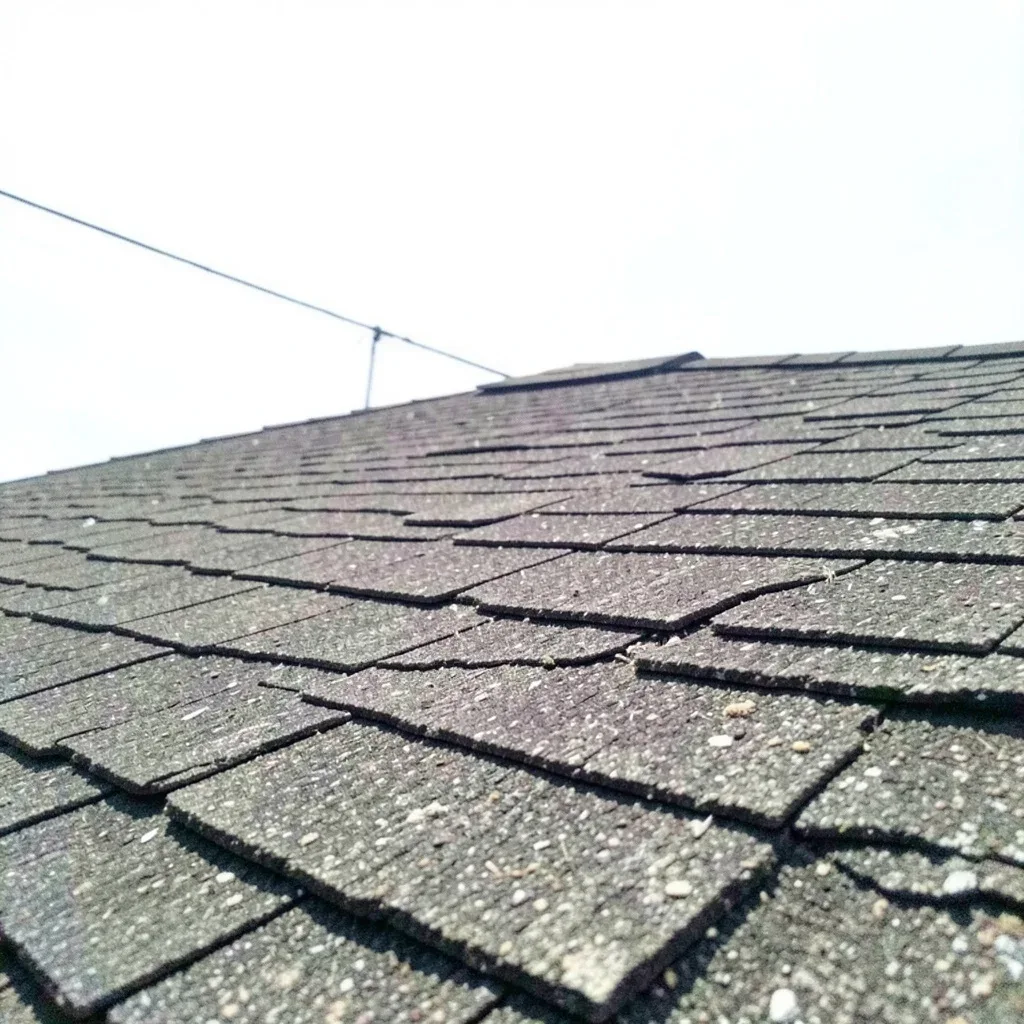
A Simi Valley tenant with a leaking roof has real footing under California's habitability rule. Here's how notice, timing, and repair options actually line up.
Read article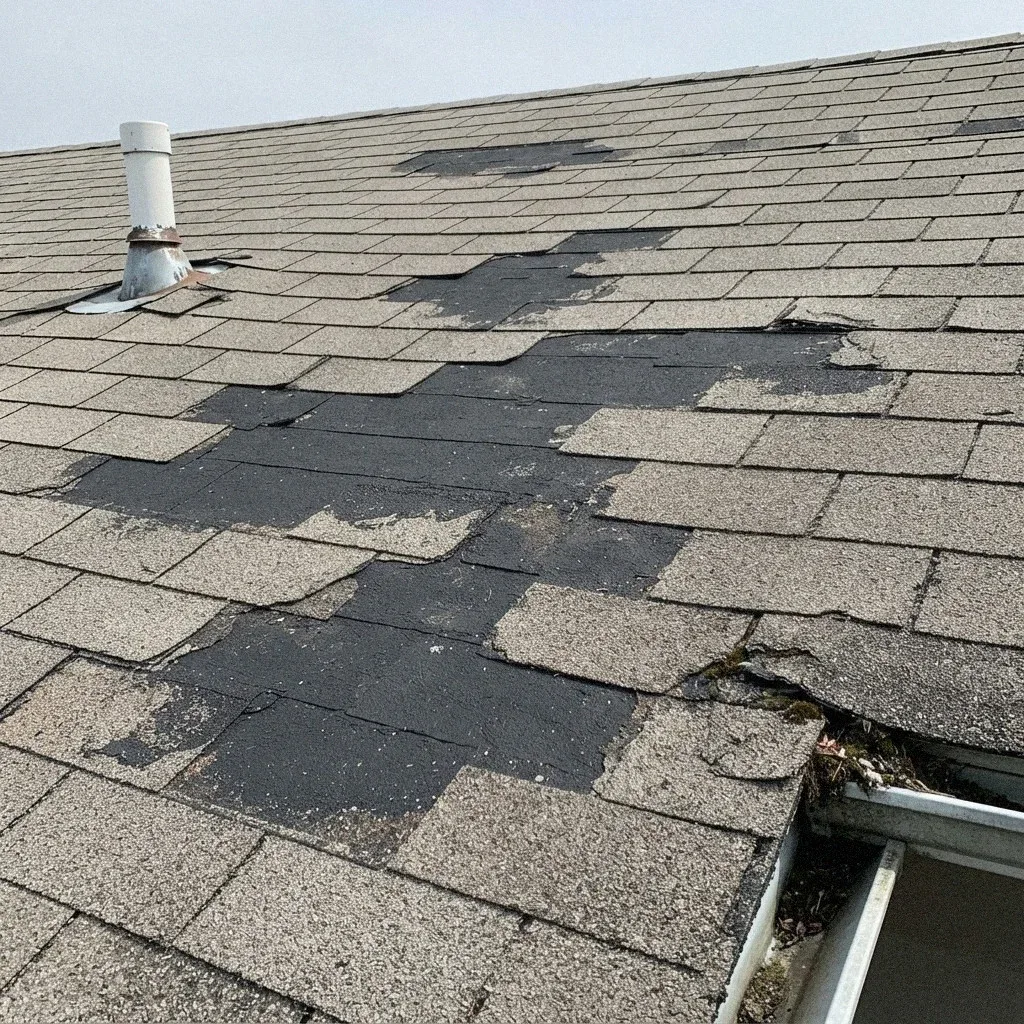
Targeted shingle, tile and flashing repairs from licensed local pros, for Simi Valley roofs still worth saving.
Roof repair Simi Valley, CA starts with finding where water really gets in, and the licensed pros we connect you with do exactly that.
Call (805) 463-1431 now for a scoped quote, whether you need roofing repair on a few shingles, a vent boot or a tile roof.
Emergency roof repair means stopping active water entry fast, and a local licensed pro starts by finding the leak source. That source is rarely right above the stain.
Winter rain here comes in short, hard bursts, so don't wait: call (805) 463-1431 now, and ask about emergency roof tarping.
Tile roof repair usually means resetting slipped tile or replacing cracked pieces, and that kind of work often stays under the permit line.
Concrete tile profiles from the 1960s through the 1980s are out of production, so a match often has to come off a slope nobody sees from the street.
The best roofing contractors hold a California C-39 Roofing Contractor license from the Contractors State License Board, and any roof repair contractor you hire should too.
The roofing companies we connect you with are local licensed pros, and the city separately runs a business license process for contractors working in Simi Valley.
Flat roof repair starts with finding where water gets in, which is rarely where the stain shows up.
Hard winter downpours test drainage as much as the roof surface, so ask the pro to check what the gutters are holding.
If a repair will not hold, ask about low-slope roofing instead.
Roof shingles repair means replacing just the lifted, cracked or broken shingles, and the rest of the roof stays untouched when the deck underneath is sound.
Shingle roof repair on a visible slope may show a color line, since sun fade doesn't reverse, and the pros we connect you with will flag that before starting.
On a roof already cupping and shedding in patches, a repair only buys a season, so ask about roof replacement.
A lifted shingle or cracked tab from Santa Ana wind pull is a spot repair, not a reason to reroof. Replacing just the damaged ones works when the deck and the surrounding shingles are sound.
Nails working above the shingle surface give water a direct path once the rains arrive. Reset or replace them before a wet week finds them.
A gap where rubber has pulled away from metal around a pipe boot or chimney flashing is a leak waiting to happen. A resealed or replaced boot fixes it without disturbing the rest of the roof.
A mark on a bedroom ceiling can start several feet uphill. Don't wait for it to spread.
The pro starts on the ground, then goes up and photographs every flashing, valley and vent boot. Nothing gets quoted from the driveway.
You get the sections, the materials and whether matching shingles will work, in plain words. You know what the quote covers before work begins.
Damaged shingles are replaced, flashing is resecured and pipe boots are resealed. Any valley problem or exposed nail found along the way is handled in the same visit.
The finished work is walked with you, with photos of each repair beside the before shots. Anything outside the agreed scope goes on a written list, not quietly onto the invoice.
Many Simi Valley tract homes were built from the 1960s to the 1980s, and their roofs have spent decades in direct valley heat. That sun, not one storm, ages shingles, dries sealant and works nails loose, and a repair now keeps the roof's remaining life intact instead of forcing an early reroof.
The permit line is drawn on roof area, not on job cost. Resetting slipped tile or replacing a cracked vent boot usually stays under it, but once the work opens up a real share of the slope, it is filed with the city's Building and Safety Division before the covering comes off and closed with an inspection. Settle in writing at the estimate which side of the line your job lands on.
Concrete tile profiles from the 1960s through the 1980s go out of production, so a match often comes off the same roof, moved from a hidden slope to the visible one. Composition shingle is still made in the original color, but twenty years of valley sun has faded what is up there, so a repair on a visible slope will show. Deciding where the mismatch goes is part of the job.
Here is roughly what roof repair runs locally. Treat it as a guide — the property itself decides where inside the range you land.
| License Number | Workers Comp Proof | Progress Payments |
|---|---|---|
| A state contractor license means the business is registered, bonded, and carrying liability insurance. That status can be checked before any work starts, and it says more about who is showing up than a friendly sales pitch does. | Resets a few slipped tiles, seals small gaps, no full valley rebuild | an estimated $280–$2090 |
| Insurance matters in two directions. It covers the property if something goes wrong mid-job, and it keeps a worker's injury off the homeowner's own policy. Asking to see current coverage before signing anything costs nothing and confirms both. | Tear-off plus patched decking sections, no whole-roof sheathing swap | an estimated $400–$2860 |
| A license number is only useful if somebody checks it. The state board publishes current status, expiry, bond and any disciplinary history, and looking it up takes a minute. A contractor who hesitates when asked for that number has answered the question anyway. | Full tear-off, all-new deck panels, ember-resistant underlayment throughout | an estimated $520–$3960 |
| Unlicensed work can look fine on the surface for months. The trouble surfaces later, when a warranty claim has no company standing behind it, or a lien appears on a job the homeowner already considered paid and finished. | Whole-roof reroof, hauling included, permit filed with the city | an estimated $720–$5720 |
Cost tail: a bid that undercuts everyone else usually skipped a step, not found a shortcut. Tear-off disposal, flashing detail, and proper underlayment cost money whether or not a bidder mentions them. Ask what's left out before you ask what's included, and get it written down.
By finding where water gets in, which is rarely where the stain shows up. The pro works up the slope from the stain and checks valleys, chimney and wall flashings, vent boots and skylight curbs, starting with the slope that takes the afternoon sun. Ask for photos of what is found.
On a roof weathered a decade or more, a visible line may show where new shingles meet older ones. Sun fade doesn't reverse. The pros we connect you with will flag this before starting.
Because the rubber collar gives up long before the shingles do. It sits in full sun, hardens, then cracks around the pipe. Caulking over the crack buys weeks, while replacing the boot is the actual repair.
It depends on what stage the rest of the roof is at. On a roof still holding its granule cover, a repair fixes a local problem and the roof carries on for years, but on a roof already cupping and shedding, it buys a season. Ask about the roof's stage before you agree to the repair.
There are two separate promises: the workmanship guarantee comes from whoever did the work, and the material warranty comes from the manufacturer. Ask for the workmanship term in writing, with what it covers and what ends it. A repair on an aging roof normally carries a shorter term than a full replacement.
Roof repair in this area typically falls between an estimated $400–$2200 per job. The free inspection is what turns that range into an exact number, and you see it in writing first, with the per-sheet rate for any bad decking on it.
Roof damage in Simi Valley rarely announces itself. It shows up as a granule pile in the gutter, a faint stain on a ceiling corner, or a tile that shifted slightly out of line months before anyone climbs up to look.
A Simi Valley tenant with a leaking roof has real footing under California's habitability rule. Here's how notice, timing, and repair options actually line up.
Read article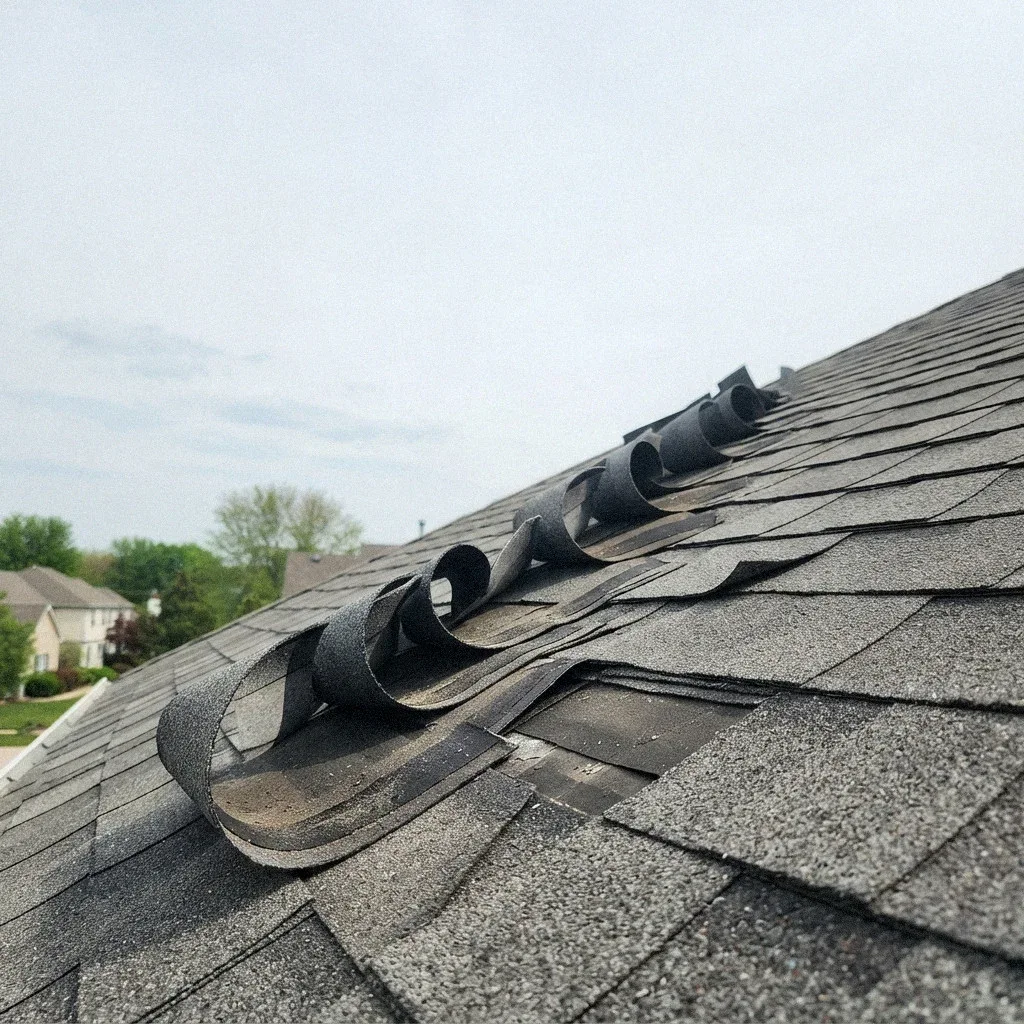
Selling a Simi Valley tract home doesn't require a new roof, but a seller disclosure statement covering known material defects still applies. Expect inspection contingencies, repair addendum talk, or a seller credit if the appraisal condition flags remaining useful life or insurability concerns.
Read article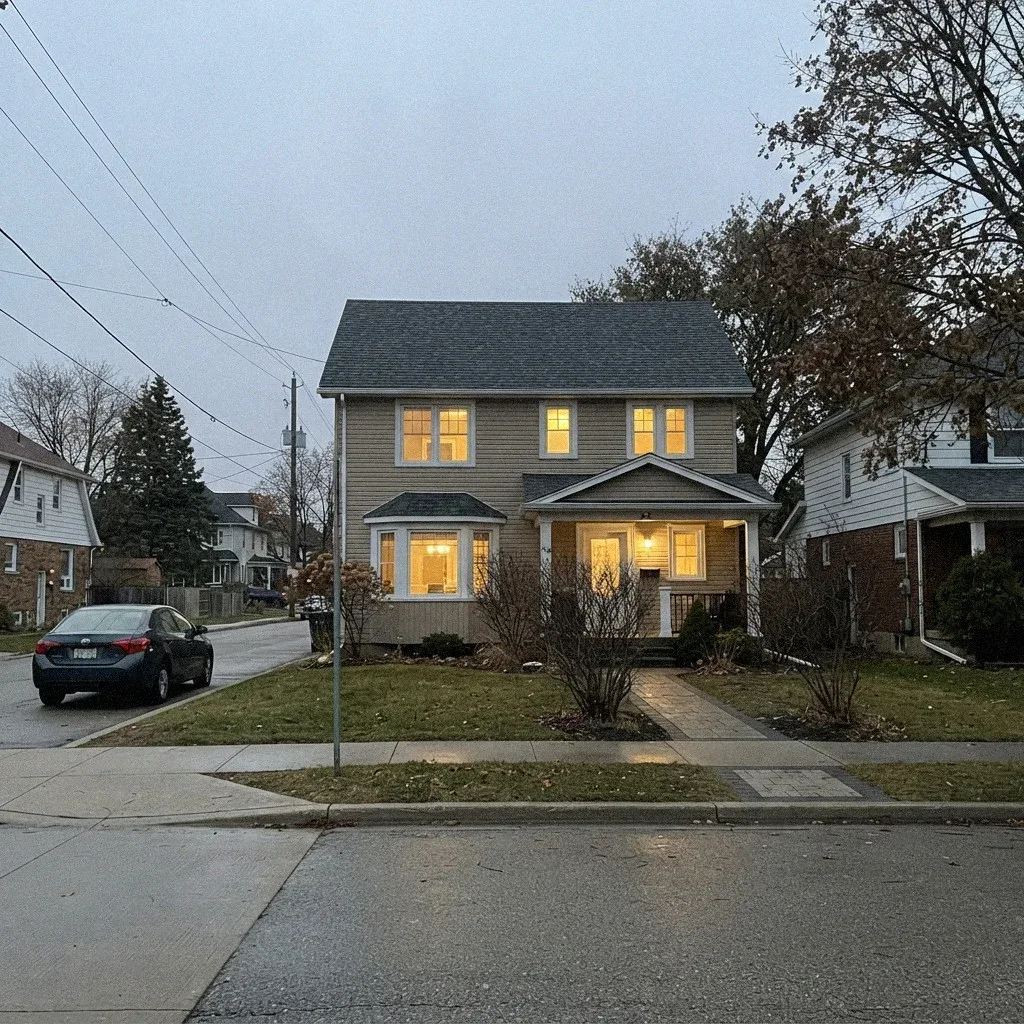
Cedar shake demands more attention than a tile roof does. Here's what cupping, splitting, keyways, and spaced sheathing mean for a Simi Valley home, and when repair no longer holds up.
Read articleThis page covers what the service generally involves, but no two Simi Valley roofs wear the same way. A clay tile roof in Wood Ranch ages differently than a shingle roof near Sinaloa Lake, even under the same Santa Ana winds. Framing and past repairs matter too. The clearest next step is a direct look from the licensed pros we connect you with, who can tell you whether this service fits your roof or something else does.
Call (805) 463-1431