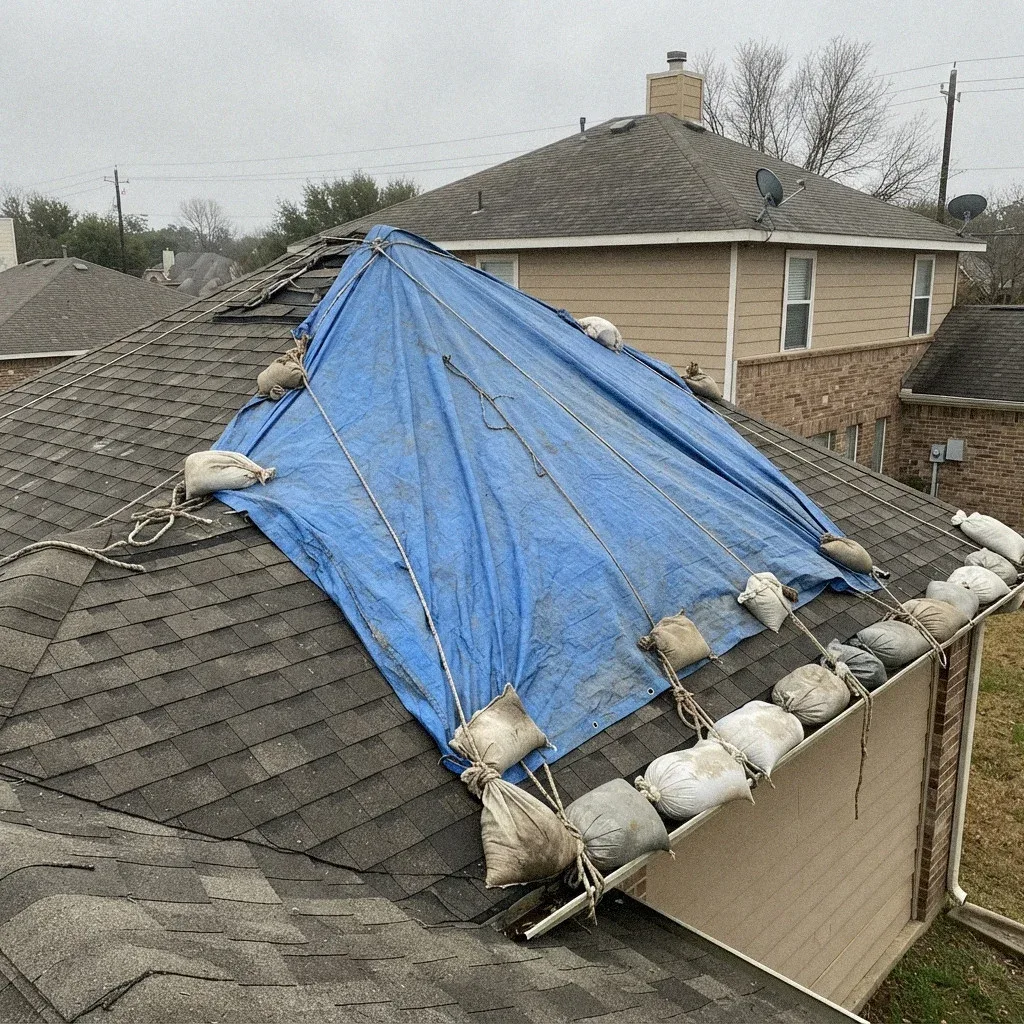
Emergency Roof Tarping
Water coming through your roof? Call now and we'll connect you with a local licensed pro to tarp it fast.
Learn about Emergency Roof TarpingFlat 1950s-60s valley tracts beside 1970s-90s hillside estates toward the Santa Monica Mountains.
Woodland Hills sits in the western San Fernando Valley, part of Los Angeles rather than Ventura County, past Chatsworth and West Hills along the 118 corridor. It carries its own housing stock, its own school district, and its own hillside pockets distinct from the Simi Valley side of Santa Susana Pass.
Heat cycling, dry debris buildup, and sun exposure wear a roof down faster than any single storm does.
Roofs here spend most of the year dry, and dry hides things. A cracked boot or a lifted piece of flashing in Woodland Hills shows nothing at all until the first heavy rain, and by then it has usually been open for months.
Hillside streets near the Santa Monica Mountains catch more wind and grade exposure than the flatter Warner Center tracts, a split that matters when Santa Ana conditions push through the pass from the Simi side. Heat does more slow damage here than rain does. Months of sun exposure between storms dry out sealants and stress tile and shingle alike, so by the time winter rain shows up, it's often just exposing wear that already happened.
With Warner Center in the area, a good share of the Woodland Hills work is commercial - and a commercial roof is a different job. Low-slope membrane, roof access booked in advance, and work staged around the tenants below.
Most Woodland Hills jobs land inside these ranges. The inspection is free and the exact figure comes in writing before anything starts.
| Service | Estimated cost |
|---|---|
| Emergency Roof Tarping | an estimated $350–$1400 |
| Roof Leak Repair | an estimated $450–$2400 |
| Storm & Wind Damage Roof Repair | an estimated $900–$7500 |
| Roof Repair | an estimated $400–$2200 |
| Flashing & Chimney Repair | an estimated $350–$1900 |
Warner Center is the office and retail core of this end of the valley, so the roofs at its center are large low-slope commercial systems. The tract streets ringing it are flat and evenly spaced, laid out in the 1950s and 1960s, and they read as a different era entirely from the hillside lots above.
Ventura Boulevard is the long-established commercial spine here, lined with older storefronts whose flat parapet roof sections sit directly behind pitched residential roofs on the streets one block off it. Two roof types, two sets of problems, on either side of the same block wall.
Water coming through your roof? Call now and we'll connect you with a local licensed pro to tarp it fast.
Learn about Emergency Roof Tarping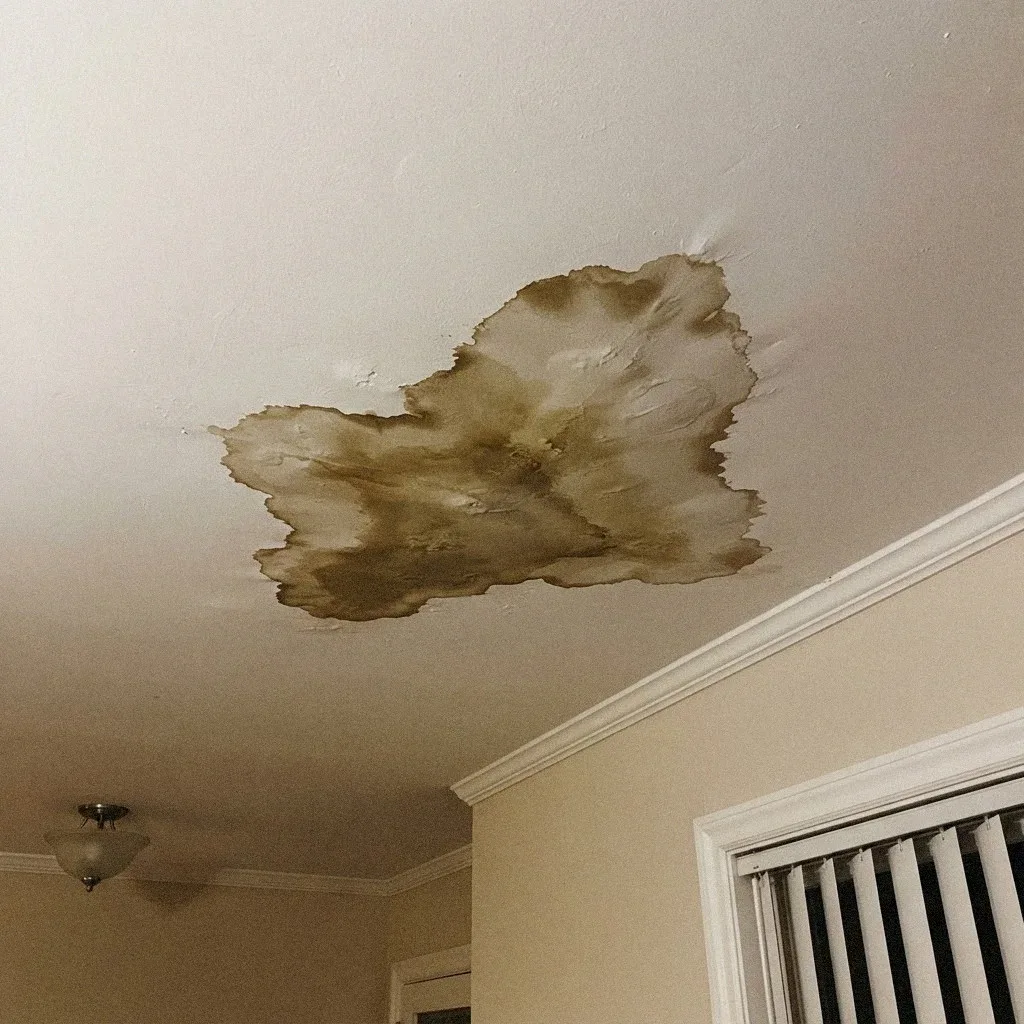
Local licensed pros trace your leak to where it really starts and fix it fast. Call (805) 463-1431.
Learn about Roof Leak Repair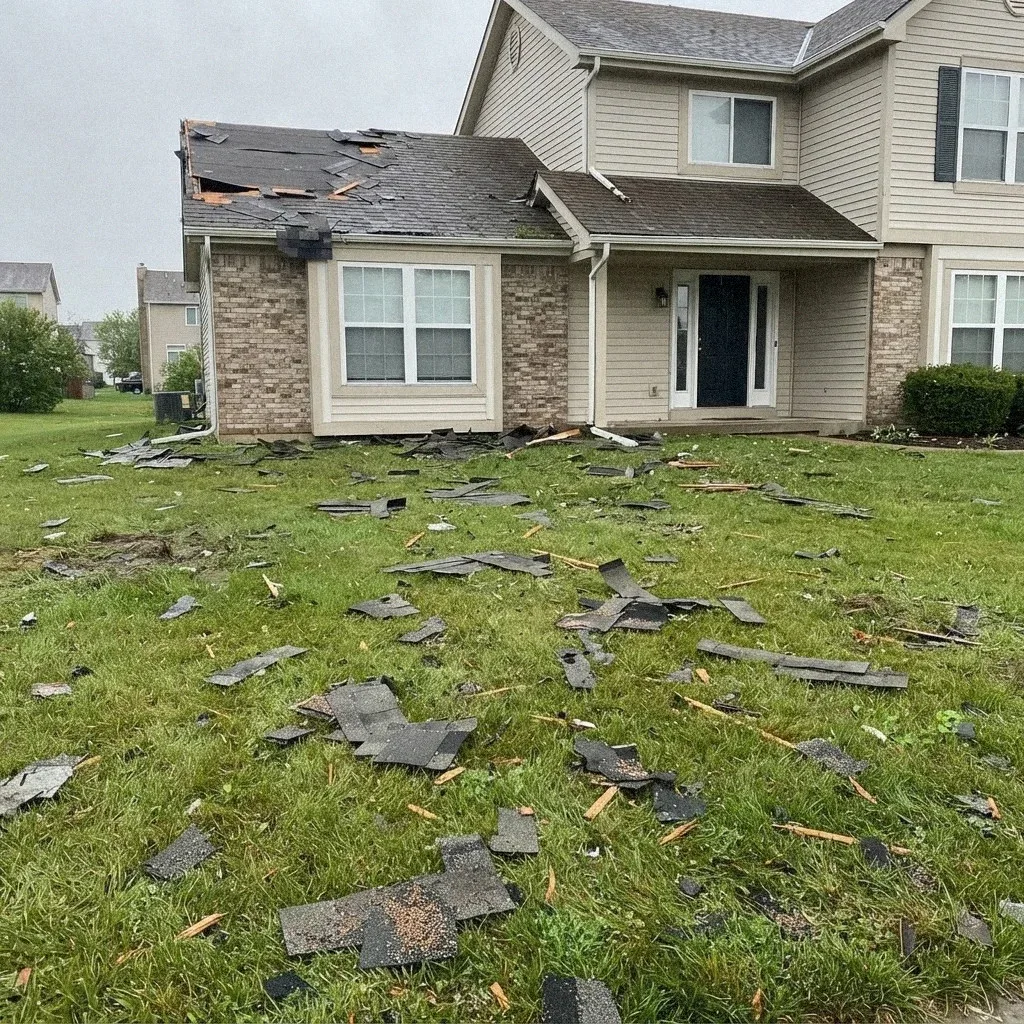
Fast inspection and repair after Santa Ana wind or a fallen limb. Call now, before the next gust.
Learn about Storm & Wind Damage Roof Repair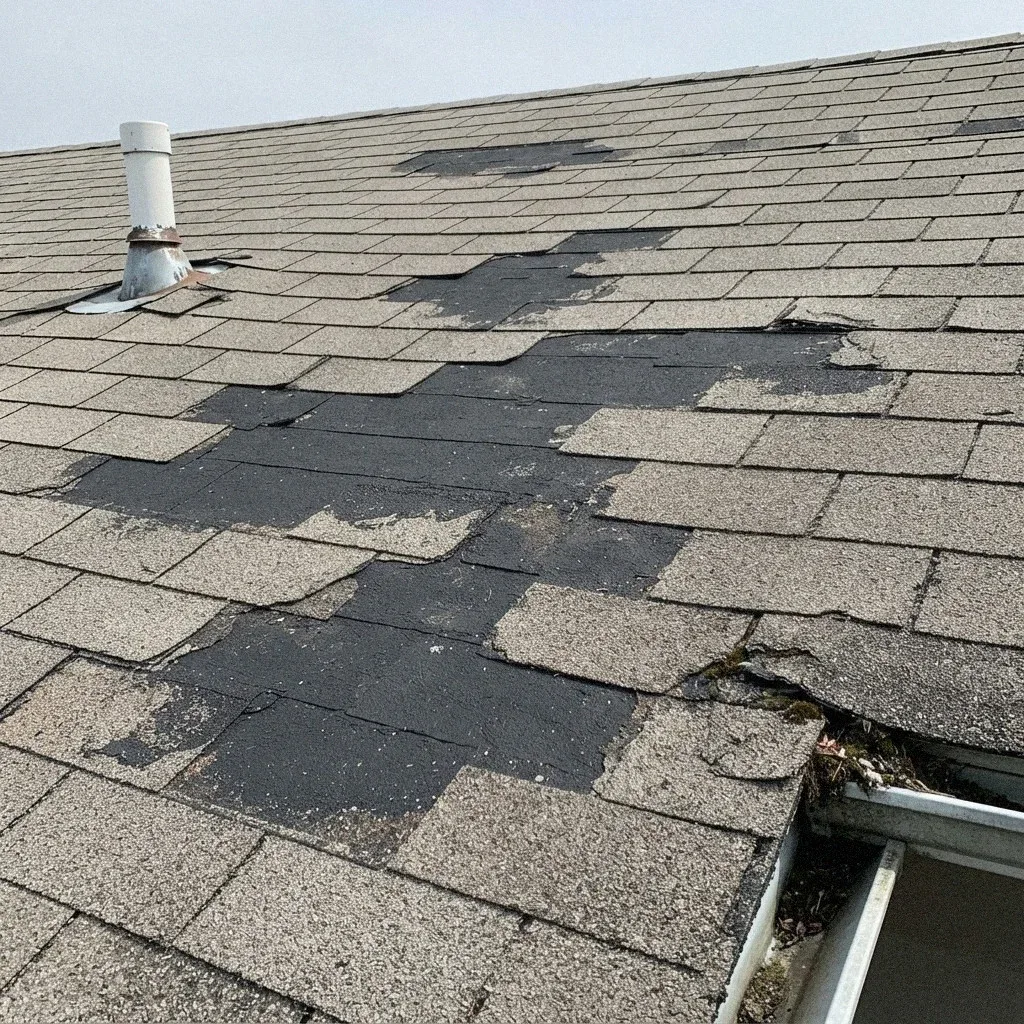
Targeted shingle, tile and flashing repairs from licensed local pros, for Simi Valley roofs still worth saving.
Learn about Roof RepairThe flat blocks around Warner Center are mostly 1950s and 1960s valley tract housing, so an original roof on that stock is long past its service life and many are on a second or third covering. Warner Center itself is offices and retail, where the roofs are low-slope commercial systems rather than anything pitched.
Yes, and it is grade and exposure more than covering. Streets rising toward the Santa Monica Mountains sit on steeper pads and catch more wind than the flat blocks below, so edges and valleys take the load first. Access is the other half of it: staging and hauling tear-off off a hillside lot takes a plan the flat streets never need.
Homes backing onto the mountains sit nearer the brush line, so a Class A covering and careful detailing at edges, valleys and vents come up more often on those streets than on the valley floor. Both tile and composition appear up there; what matters more is that nothing is left open for an ember to reach.
Los Angeles, on both counts. Woodland Hills is part of the City of Los Angeles and sits in Los Angeles County, not Ventura County, so permits and inspections go through Los Angeles and not through Simi Valley or any Ventura County office. It is a real difference on paperwork even though the two sit either side of one pass.
Far enough that it is a different county, not a different neighborhood. The drive from Simi Valley runs east on the 118 through Santa Susana Pass, past Chatsworth and West Hills, then south on surface arterials across the valley floor. Same afternoon, two permitting jurisdictions.
There is a round-the-clock emergency line covering Woodland Hills, so a call at 2am reaches a person rather than a voicemail. Being a short drive from Simi Valley, most standard bookings still land the same day or the next. You get an honest arrival window when you book instead of a vague promise.
Every part of Simi Valley shares the same Santa Ana winds and long dry stretches between winter storms, but the effect on a roof shifts by location. Homes near Rocky Peak and the Santa Susana Mountains face different wind exposure than houses closer to Tapo Canyon Regional Park. Rather than assume your street matches a neighbor's, ask the licensed pros we connect you with what they see on roofs like yours in this specific part of the valley.
Call (805) 463-1431