Now taking calls — fast callback for urgent roof damage · (805) 463-1431
Roof Replacement in Simi Valley, CA
Simi Valley, CA

Full Tear-Off Roof Replacement, Start to Finish

A full tear-off and reroof, sequenced from deck to ridge.

Roof Replacement in Simi Valley, CA is not one job with one price, whether you're in Santa Susana Knolls, Old Town Simi Valley, Downtown Simi Valley, or elsewhere around Simi Valley, and the work is matched to the building and to the way water actually moves through it here. That is what separates a lasting repair from a temporary one.

Nearly all of this work is residential: residential roofing covers the approach for houses, while commercial and multi-unit buildings are handled under commercial roofing.

Warning Signs

Signs You May Need Roof Replacement

How the Tear-Off Runs

Roof replacement in Simi Valley means every layer of the old covering comes off down to bare decking before anything new goes back on. That includes pulling old field shingles, cracked underlayment, and any flashing that's worked loose over the years. A tract home near Wood Ranch or Big Sky built decades ago usually carries just one layer, but a house that's been reroofed once already may carry two, and that changes the scope before a crew ever climbs up.

What the Yard Looks Like

Age alone is reason enough to plan a replacement, even without a single leak showing yet. Composition shingles baked under Santa Ana wind and valley sun for twenty-plus years turn brittle and start losing granules, and a tile roof over aging underlayment can look fine from the driveway near Sinaloa Lake while the paper underneath has already failed. Waiting for a stain on the ceiling means the deck may already be wet.

What a Full System Includes

A pro walking the roof itself catches what a ground-level look never will. Curled or cupped field shingles, soft spots around a valley, rusted valley metal, or a ridge cap that's lifted at the seams all point toward full replacement rather than a patch. Homes on hillside lots near Santa Susana Knolls take extra wear from wind exposure, so a hands-on inspection matters more there than on a flatter interior lot.

How It Works

Our Roof Replacement Process

Inspection and Scope in Simi Valley

The roof gets measured and photographed before anything is priced, including the parts that actually move the number: how many layers are up there, the condition of the decking where it can be seen, the state of the venting, and which energy code items apply. The written scope comes out of that, with any allowance for deck repair named rather than left open-ended.

Tear-Off and Yard Protection

A dumpster gets positioned and landscape protection goes down first, covering plants and walkways near the drip line, before the crew starts pulling the old covering off down to bare decking.

Rebuilding the System Layer by Layer

Damaged decking gets replaced, then a protective barrier goes down at eaves and valleys, followed by underlayment across the field, edge metal at the perimeter, and the starter row before the covering material goes on.

Magnetic Sweep and Final Walkthrough

A magnet goes over the driveway, the lawn and the strip along the drip line, because a tear-off sheds nails and they find tires and bare feet weeks later. Then the finished roof gets walked with the homeowner, the dumpster goes, and the permit gets closed out with the final inspection rather than left sitting open.

Why this matters

A tear-off is the only time anybody sees what is under the covering. On the valley's tract housing that matters more than it sounds, because the things that shorten a roof's life here are all hidden: a deck that has been walked and patched for decades, soffit vents painted shut or buried under blown-in insulation, underlayment chosen for a different climate. Once new tile or shingle goes down, none of it is reachable again for twenty years. Replacement is worth treating as the one chance to fix the parts nobody can see, rather than as swapping the part everybody can.

Licensing & Local Standards

Code-Compliant Roof Replacement in California

Permits on a Simi Valley Reroof

A full tear-off is always permitted work, and on a reroof the energy code items get reviewed alongside the roofing scope rather than separately, so reflectivity and insulation questions are settled on paper before anyone orders material. The permit also carries a name. A licensed contractor pulls it under their own license and answers for it at inspection; an owner-builder permit moves that to the homeowner. Either way the last step is the final inspection, and it matters beyond the roof: an open permit sitting on a property has a habit of surfacing years later, during a sale, when it is the most expensive time to deal with it.

When Tear-Off Is Required

Anyone doing roofing work for pay in California needs a C-39 contractor license from the Contractors State License Board, with only a narrow carve-out for very small, permit-free jobs. On a full reroof, that exemption never applies, since the job requires a city permit and real labor. Homeowners near the Los Angeles Avenue corridor or anywhere else in the city can check a license number directly with the state board before signing anything.

No Surprises

The Cost of Roof Replacement, Up Front

Most roof replacement jobs in Simi Valley fall inside these ranges. The inspection costs nothing and the exact figure is written down before any work starts.

Roof Replacement — estimated ranges, per job
Underlayment GradeAttic AirflowCrew Availability
A crew that only reroofs sees fewer surprises than one that splits time between gutters, fences, and everything else. Repetition builds pattern recognition: the same failure points show up job after job, so a specialist catches them before they become a mid-project change order. Swaps cracked tiles or shingles in place, matches existing color where possible an estimated $7700–$28500
General handymen and dedicated roofing crews are not interchangeable. One juggles many trades and treats a roof as one task among several. The other sees nothing but roofs, all week, every week, which shapes how fast problems get spotted and how cleanly they get fixed. Strips one layer, new underlayment and flashing, deck stays as-is an estimated $11000–$39000
A low bid that skips proper flashing detail or attic ventilation can look attractive on paper and cost far more once the first hard rain finds the gap. Comparing quotes on price alone hides the difference between a shortcut and a finished job. Complete reroof, new flashing and valleys, cool-roof rated material an estimated $14300–$54000
Tile and shingle roofs fail in different, predictable ways after enough years of sun and wind. A crew that handles nothing but roofing recognizes those patterns quickly, which tends to mean fewer change orders once the old material comes off. Reroof with skylight flashing redone, no interior ceiling work an estimated $19800–$78000

Re-roofing over roughly ten percent of a roof, or more than a set square footage, typically requires a building permit; smaller patch repairs often do not. Ask which category the proposed work falls into before assuming no inspection is needed.

Questions & Answers

Frequently Asked Questions

How long does a full reroof take, and can I stay in the house?

Most single-family reroofs here run in days rather than weeks: tear-off, then deck and underlayment, then the covering, with size and roof complexity moving the number either way. You can stay in the house through it. It is loud, the driveway is occupied by a dumpster for the duration, and anything stored on open attic shelves directly under the deck is worth moving first, because nailing shakes decades of dust loose. Pets generally mind the noise more than people do.

Will the crew protect my yard during tear-off?

Yes. Before tear-off starts, the licensed pros we connect you with set landscape protection like tarps and plywood over plants, walkways, and anything near the drip line, since old shingles and torn-off decking have to land somewhere. A dumpster gets placed for debris, and once the new roof is on, a magnetic sweep picks up stray nails from the yard and driveway.

Do you tear off old layers or cover them?

A full reroof means every layer comes off the deck, not a cover-over on top of what's already there. That matters on a Simi Valley tract home because the original decking and any sheathing damage stay hidden until the old roof is gone. Covering over old layers traps that problem underneath instead of fixing it.

What all is included in a full roof replacement?

A full system includes tear-off to the deck, sheathing repair where needed, new underlayment, protective barrier at eaves and valleys, edge metal along the perimeter, the starter row, the covering material itself, and the ridge and valley finish work. Attic ventilation gets checked too, since airflow affects how long the new roof holds up under valley heat.

Does the material warranty cover storm or wind damage?

Usually not in the way people hope. A material warranty covers the product failing on its own terms, things like delamination or granule loss beyond what the manufacturer allows. A wind event is a different question and normally an insurance one. Most coverings carry a wind rating that assumes correct fastening, so a disputed claim often turns on whether the installation matched the manufacturer's instructions rather than on the weather. Keeping the permit record and the installation paperwork is what gives you something to point at.

Can you convert my tile roof to shingles?

Yes, this is a routine job on Simi Valley's older tract housing, especially homes built in the 1960s through the 1980s that are due for their first or second full reroof. A tile roof sometimes stays in place while the underlayment underneath gets replaced, but a shingle roof at this age is usually pulled completely and rebuilt from the deck up.

How much does roof replacement cost in Simi Valley?

Fire season changes what a roof needs to do, not just how it looks. Ash and debris settle into valleys and gutters after nearby burns, and a roof that sheds embers matters as much here as one that sheds rain.

Learn More

Roof Replacement: Further Reading

Most roofs in this valley are not beaten by one dramatic event. They're worn down by daily heat cycling, dry wind pulling at loose edges, and years of sun exposure that quietly break down materials from the top layer inward.

Simi Valley Roof: Pre-Rain Prep Order
Local & Seasonal

Getting Your Simi Valley Roof Ready Before Rain Hits

Rain here arrives in a short winter run rather than spread across the year, so a roof is either ready for the first storm or it is not. The order these checks happen in matters nearly as much as doing them at all.

Read article
Nail Pops Explained: Simi Valley, CA Roofs
Roof Problems

When a Loose Nail Lifts a Shingle in Simi Valley, CA

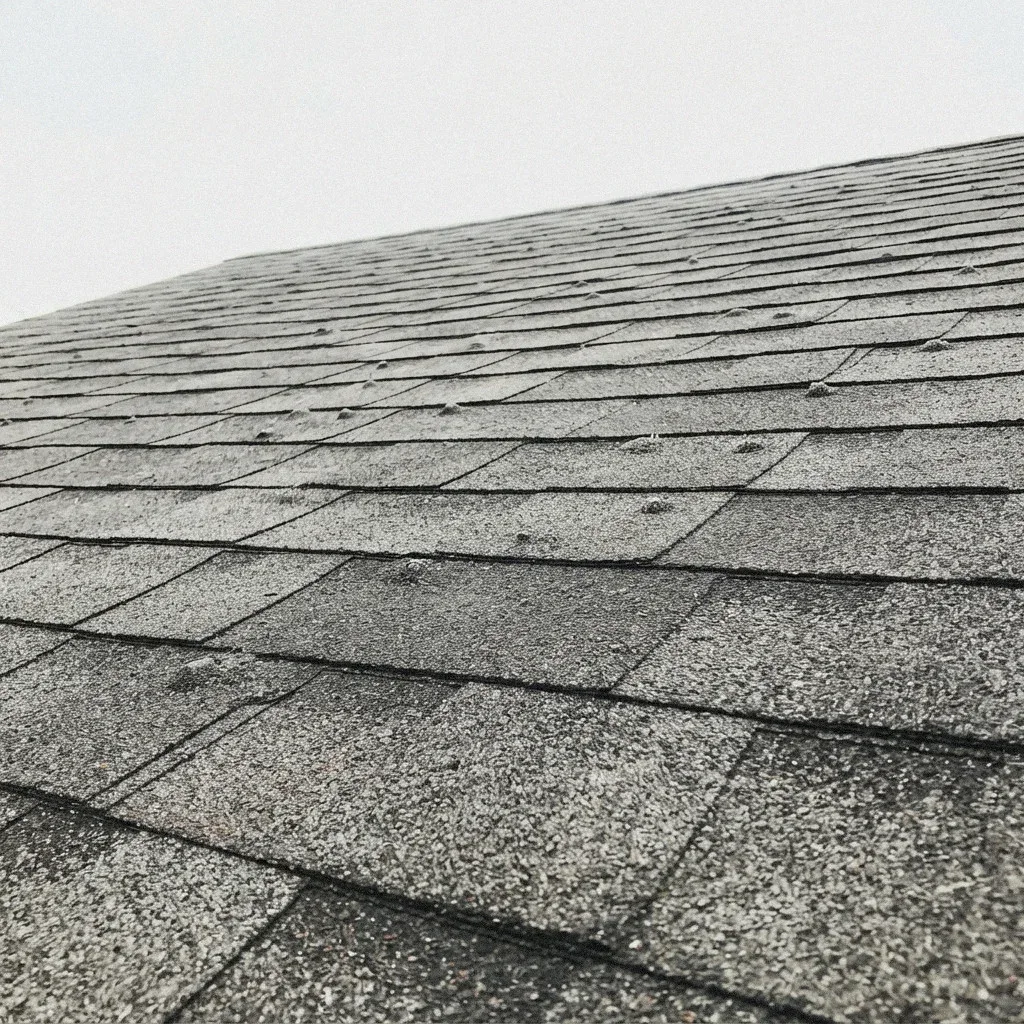
Small bumps or dabs of sealant along a shingle course usually mean a nail is working loose beneath it. Here's what causes a nail pop on a Simi Valley roof.

Read article
Why North Roof Slopes Fail First in Simi Valley
Local & Seasonal

North Slopes Wear Out Faster Here in Simi Valley

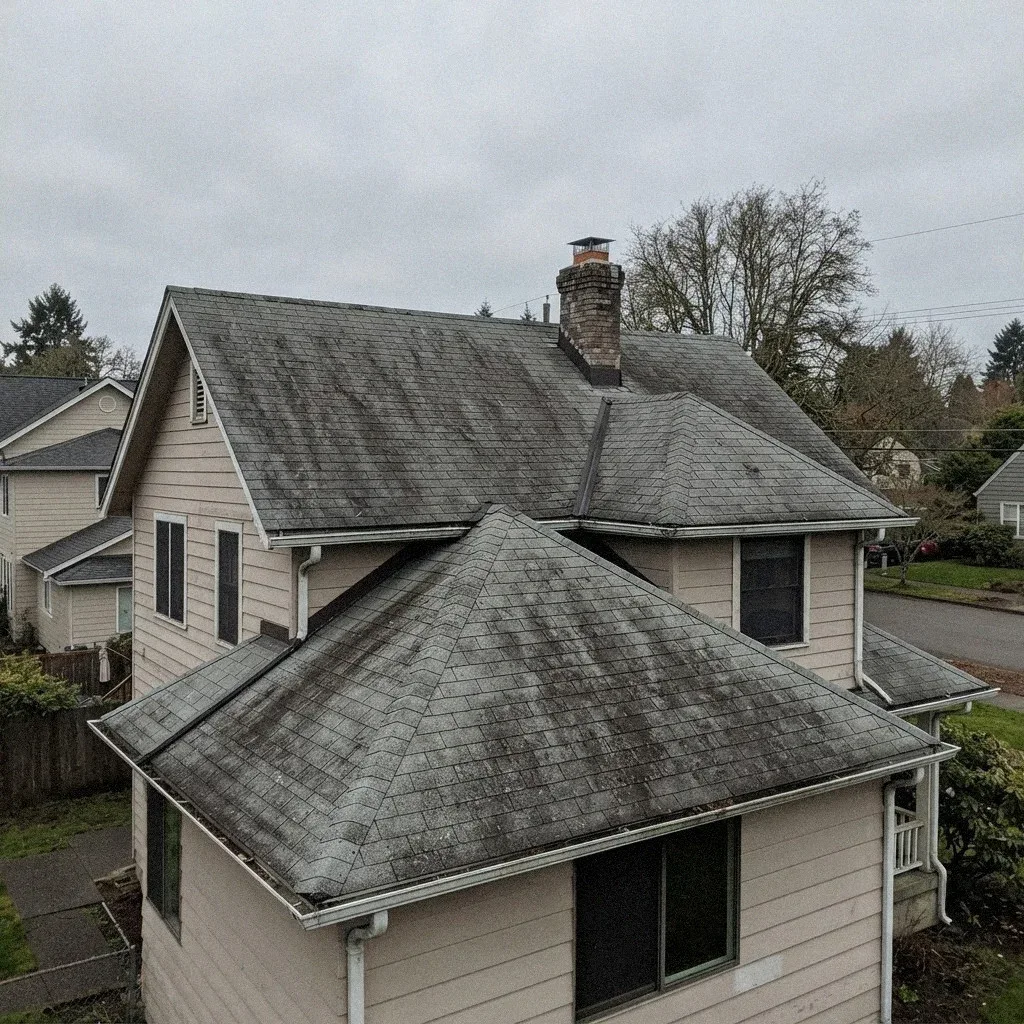
One side of a tile or shingle roof often fails before the rest. In Simi Valley, the north-facing slope is usually first, driven by shade, slower drying, and how sun exposure differs plane by plane.

Read article
Get Started Today

Ready For The Next Step

This page covers what the service generally involves, but no two Simi Valley roofs wear the same way. A clay tile roof in Wood Ranch ages differently than a shingle roof near Sinaloa Lake, even under the same Santa Ana winds. Framing and past repairs matter too. The clearest next step is a direct look from the licensed pros we connect you with, who can tell you whether this service fits your roof or something else does.

Call (805) 463-1431
Free inspections & same-day service available
Call (805) 463-1431 Schedule Online