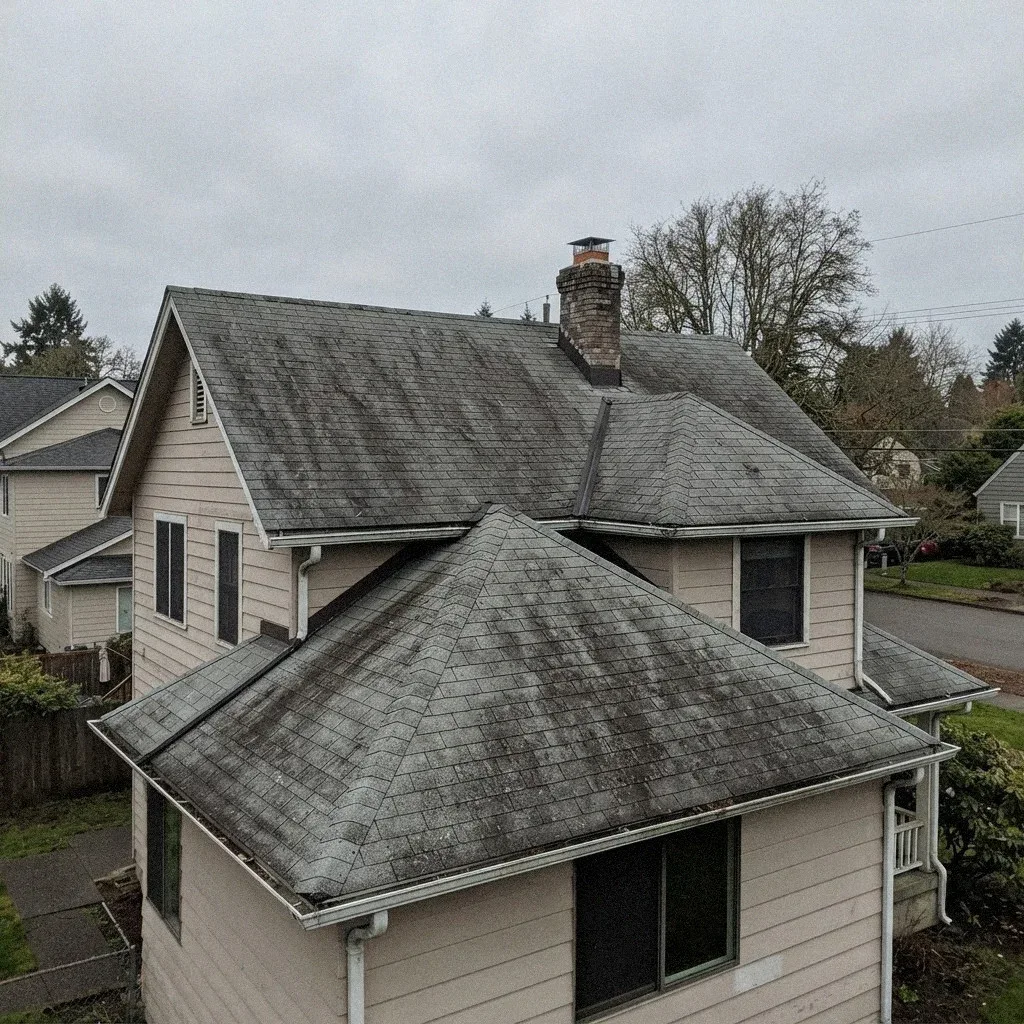
Stand across the street from most tract homes off Cochran Street or Erringer Road and look at the roof, not the yard. On plenty of houses, one plane looks noticeably older than the rest, even though every plane went up the same year. That plane is almost always the one facing north. It has nothing to do with cheaper material or sloppy installation. It has to do with which direction that section of roof happens to face.
How Roof Orientation Sets the Pattern
A house has one roof but several distinct planes, and each one points a different way. Roof orientation decides how much direct sun a given plane receives across a full year. South- and west-facing slopes in Simi Valley catch the harshest afternoon sun, especially during the long stretch of Santa Ana wind and heat that runs through late summer and fall. North-facing planes miss most of that solar exposure, so they run cooler and drier air passes over them far less often.
Where the Shade Line Falls
Sun angle is only part of the picture. A second-story neighboring roofline, a block wall, or a mature tree can throw a shade line across part of a roof for hours at a stretch. In hillside sections like Big Sky, where lots sit close to slope and taller homes, that shade line often lands squarely on the north plane. Combined with the sun's own path, the north slope can end up shaded for most of the day, most of the year.
Drying Time Is the Real Divide
Every roof in Simi Valley gets wet during the handful of hard rain days each winter. The difference shows up afterward. A sunlit plane sheds that moisture and dries within hours. A shaded north slope, cooled by the shade line and rarely hit by direct sun, can stay damp long after the storm has cleared the valley. That extended drying time, repeated over enough winters, is what quietly separates one plane's condition from another's.
What Surface Moisture Does Over Time
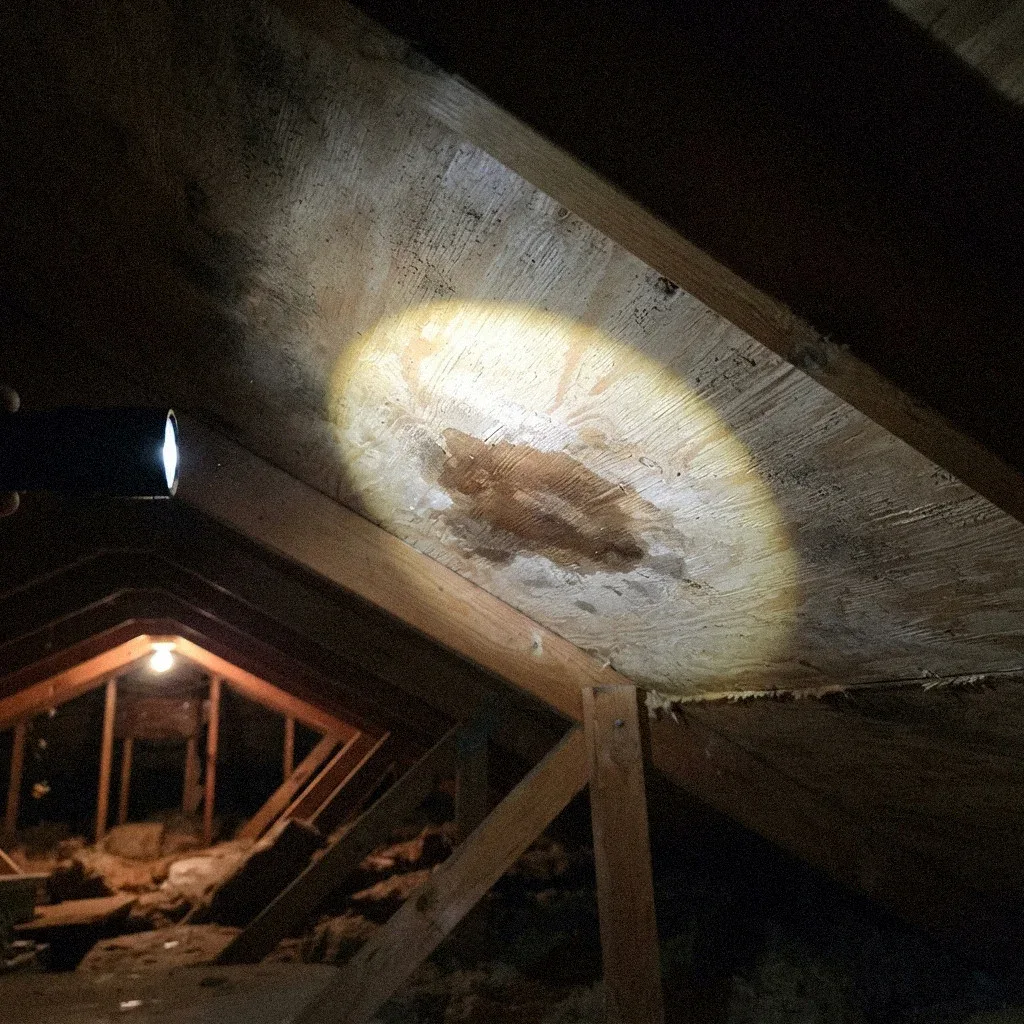
A composition shingle relies on a mat layer underneath the granules for its strength. That mat was never built to stay wet. When surface moisture soaks in and then sits, instead of evaporating off quickly, it stresses the mat in ways a fast-drying plane never experiences. On clay tile, the tile itself tolerates moisture well, but the underlayment beneath it can still take on the same slow damage if drying time keeps running long on one side of the roof.
One Roof, Several Different Ages
Roofers call this differential wear: identical shingles, same install date, different condition depending on which way the plane faces. A north slope in Simi Valley can look years older than the south side of the same tract home, even though both were nailed down the same afternoon. Pitch matters too. A shallow north plane holds moisture longer than a steep one, since gravity has less help pulling water off before it soaks into the shingle mat. None of this shows up in a curb-side look; it takes a plane-by-plane assessment to catch.
Tree Canopy Changes the Equation
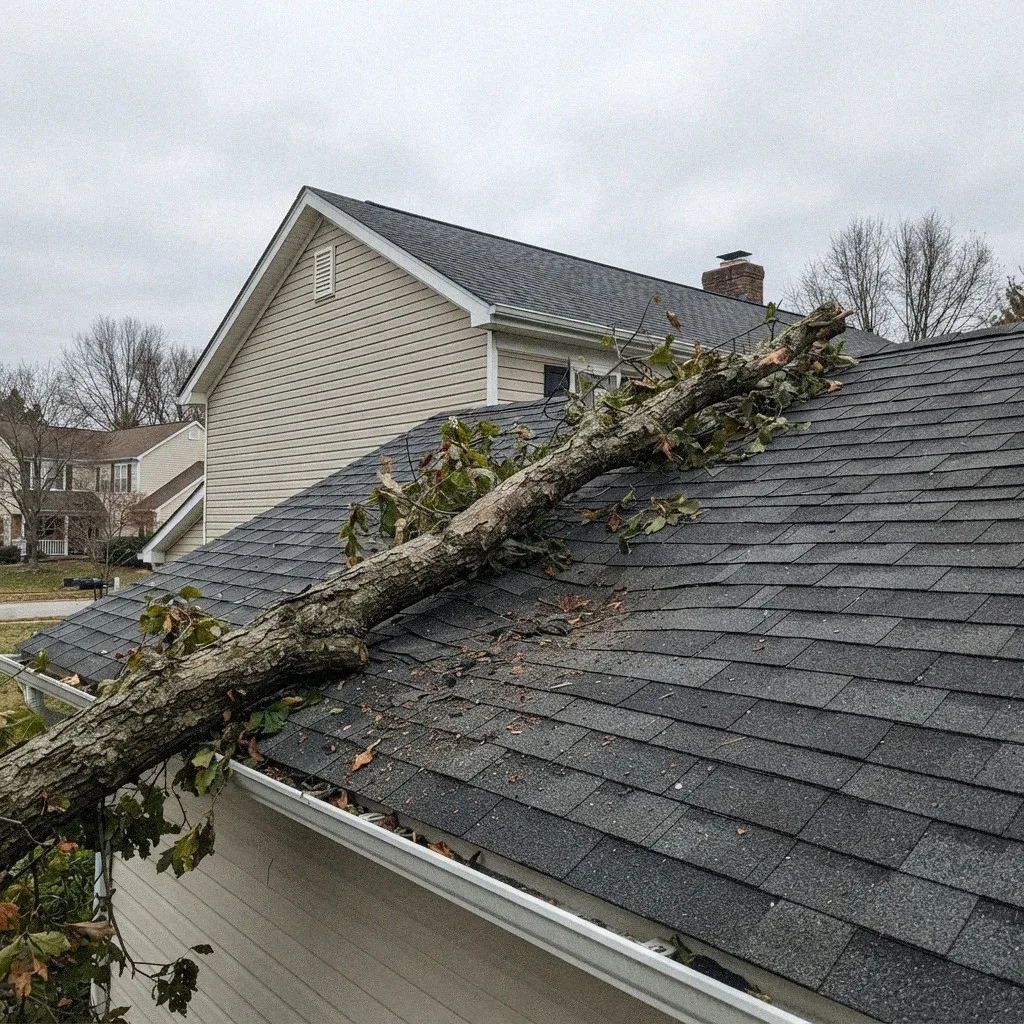
Shade from a building follows the sun and moves through the day. Shade from a tree does something extra: it also drops debris onto the plane it is shading. So a north slope under a mature oak or eucalyptus is dealing with two things at once, staying damp longer and holding litter that keeps it damp longer still. That combination is why a shaded plane under a tree ages faster than a shaded plane beside a wall, even when the hours of shade are much the same. It also means part of the fix is trimming rather than roofing.
Slope Pitch Adds Another Layer
Direction is not the only factor at play. Slope pitch determines how quickly water runs off a plane once it lands there, separate from which way that plane faces. A lower-pitched section drains slower than a steep one, so a low-pitch north plane stacks two disadvantages together: less sun to dry it and a slower run-off path for the water sitting on it. That combination is why some north slopes wear faster than others on the same street.
What a Worn North Slope Means for Repairs
A rough-looking north plane does not automatically mean the whole roof is due for replacement. Where the rest of the roof still tests sound, a repair limited to that one plane can be a fair way to handle it, as long as the flashing and decking underneath are checked first. On a tract home in Simi Valley where the south and west slopes were built the same year, this kind of targeted work is common rather than the exception.
Why Looking at Each Plane Separately Helps
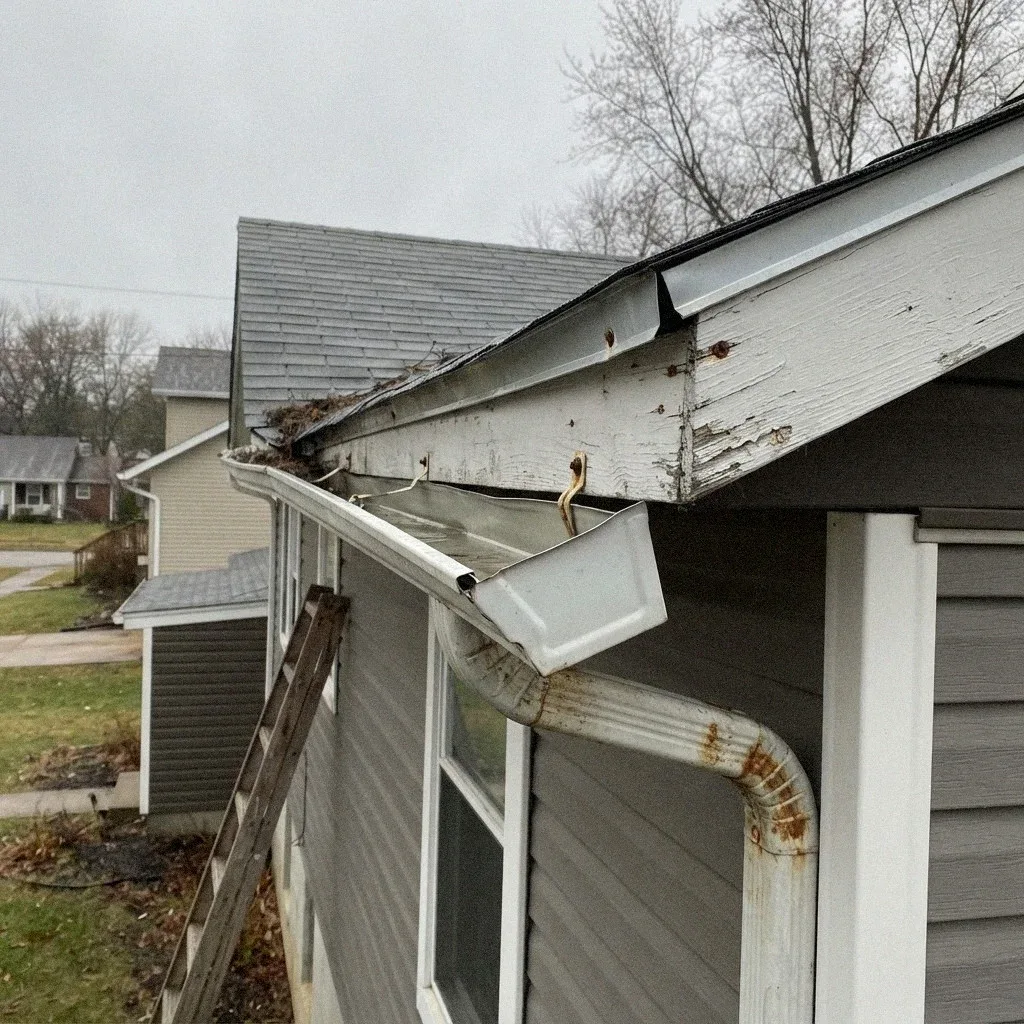
A roof that looks fine from the driveway can still be hiding trouble on the plane you cannot see well from ground level. A plane-by-plane assessment treats each slope on its own terms instead of grading the whole roof by whichever side happens to face the street. For a house near Wood Ranch or along Tapo Canyon, where roof lines often step around hillside grading, this kind of separate check catches what a single glance from the curb misses.
Early Signs to Watch On a Shaded Slope
On a north plane that stays shaded most of the day, the first changes are easy to miss. The shingles may darken slightly compared to the sunnier slopes, or granules may thin out unevenly along one edge rather than across the whole surface. On clay tile, look for a slope that stays damp longer than its neighbors after a storm passes through Simi Valley, since that lingering dew retention is often the earliest clue something underneath needs a closer look.
When to Get an Actual Look
Guessing from the yard rarely settles anything once a north plane starts to stand apart from the rest of a roof. The licensed pros we connect you with can get up on the roof itself, check that one plane against the others, and say plainly whether it needs a patch, a partial reroof, or nothing at all. That answer holds up better than anything worked out by eye from the street in front of a Simi Valley home.
Dealing with this in your home?
Simi Valley roofs face a different clock than shaded lots elsewhere. Tract homes off Erringer Road and near Rancho Simi Community Park sit exposed under direct sun for decades, with Santa Ana winds testing every loose tile between First Street and the Santa Susana foothills. Red flag warning days push that timeline faster than most homeowners expect.