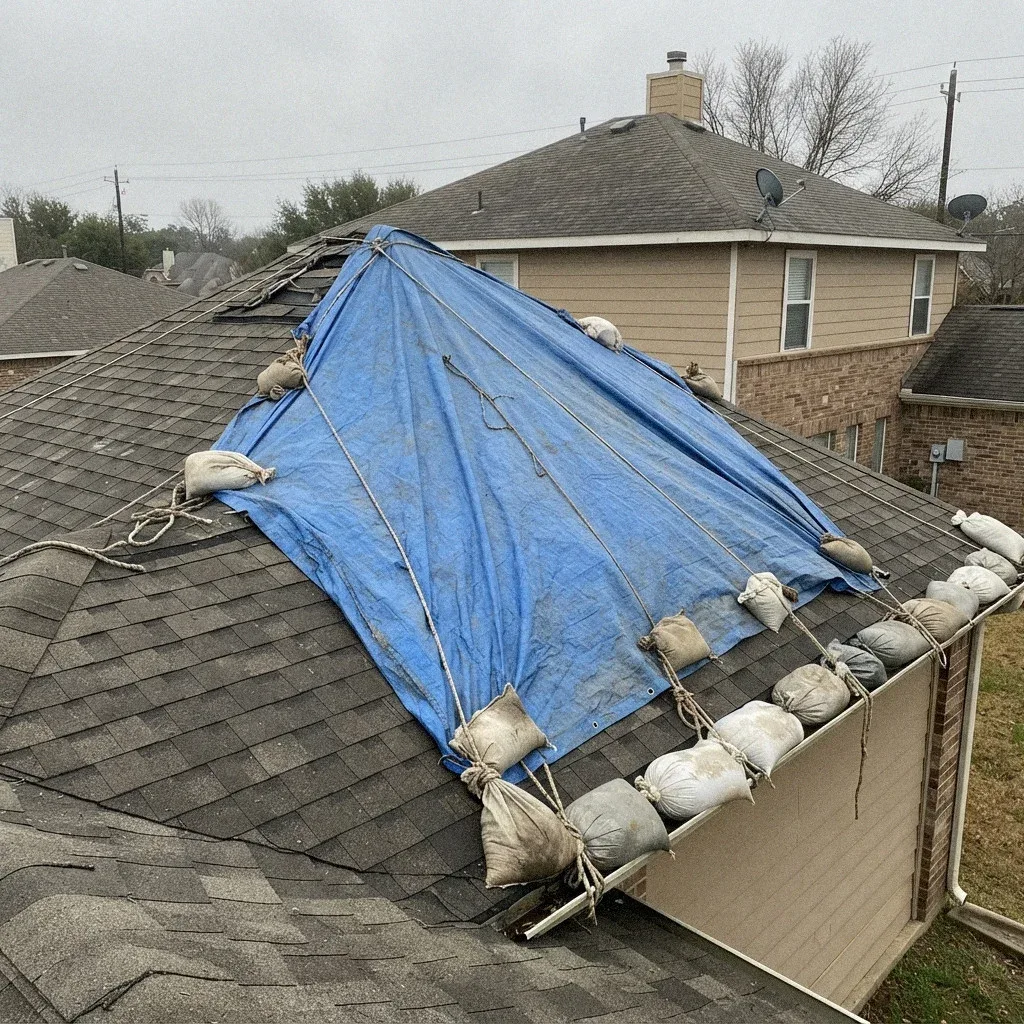
Emergency Roof Tarping
Water coming through your roof? Call now and we'll connect you with a local licensed pro to tarp it fast.
Learn about Emergency Roof Tarping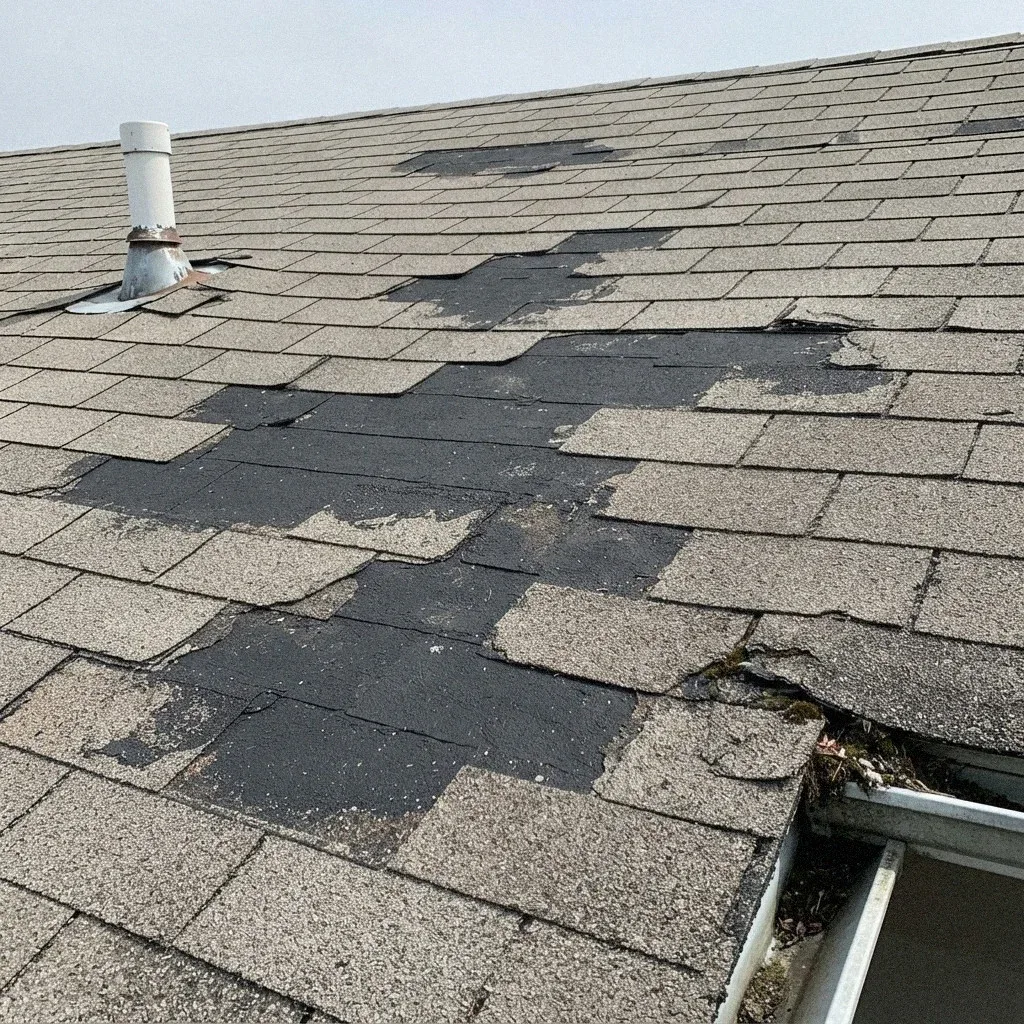
Simi Valley's roofs mostly trace back to the 70s and 80s tract boom, with older homes near Community Center on raised or crawl-space foundations from the 1920s and 1930s. Most others sit slab-on-grade, which changes how a re-roof gets planned street by street.
Roof age varies by tract. Homes from the 70s and 80s often carry original clay tile that has outlasted the underlayment beneath it, while newer builds near Wood Ranch lean on cool-roof materials meeting Title 24. Either way, the valley heat and Santa Ana winds test the seal long before the tile itself gives out.
Clay and concrete tile went on plenty of homes during Simi Valley's growth years, and that material ages on its own schedule compared to asphalt shingle. Knowing which one is already up there changes what a repair or a full re-roof actually involves.
Rain arrives in a short, hard-hitting stretch most winters, not a steady drizzle, so gutters and drainage around Arroyo Simi and the Tapo Canyon area carry real weight during those weeks. The rest of the year is dry heat the roof just has to sit through.
Water coming through your roof? Call now and we'll connect you with a local licensed pro to tarp it fast.
Learn about Emergency Roof Tarping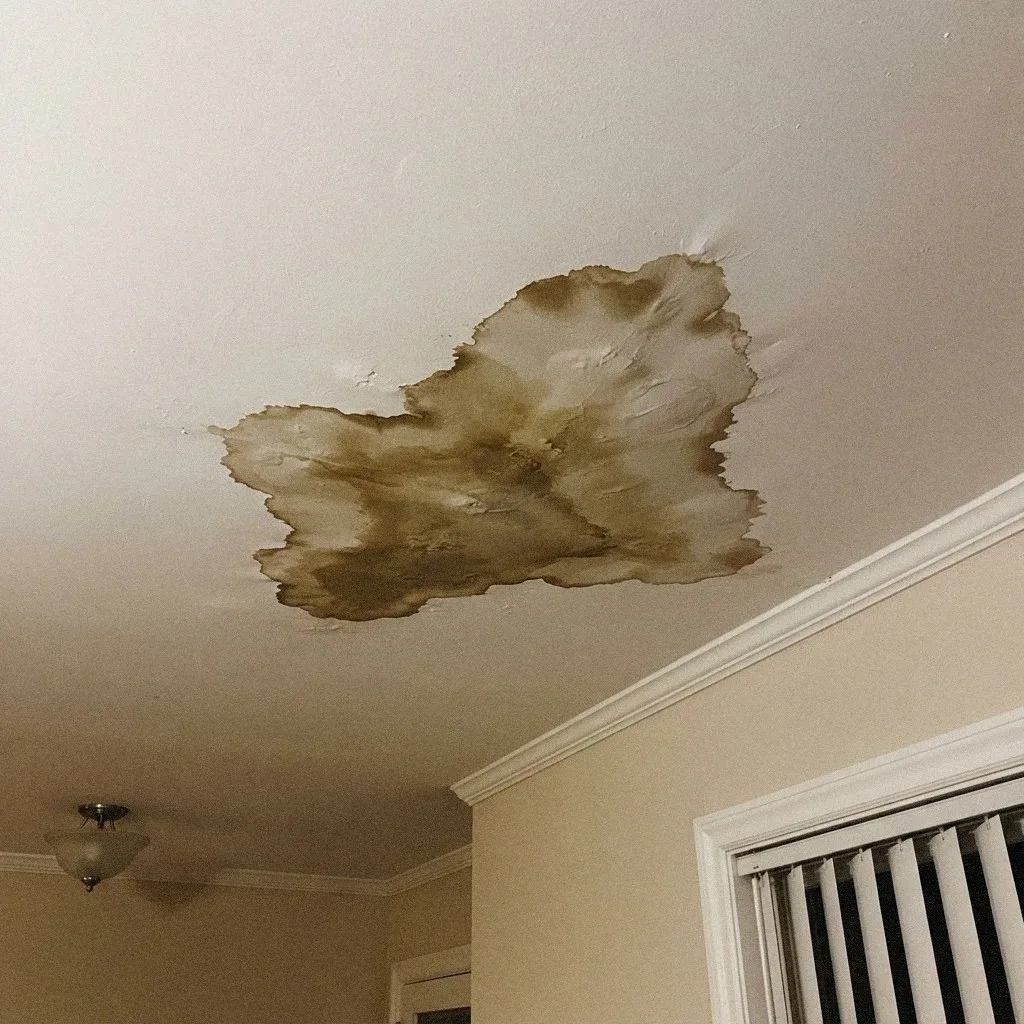
Local licensed pros trace your leak to where it really starts and fix it fast. Call (805) 463-1431.
Learn about Roof Leak Repair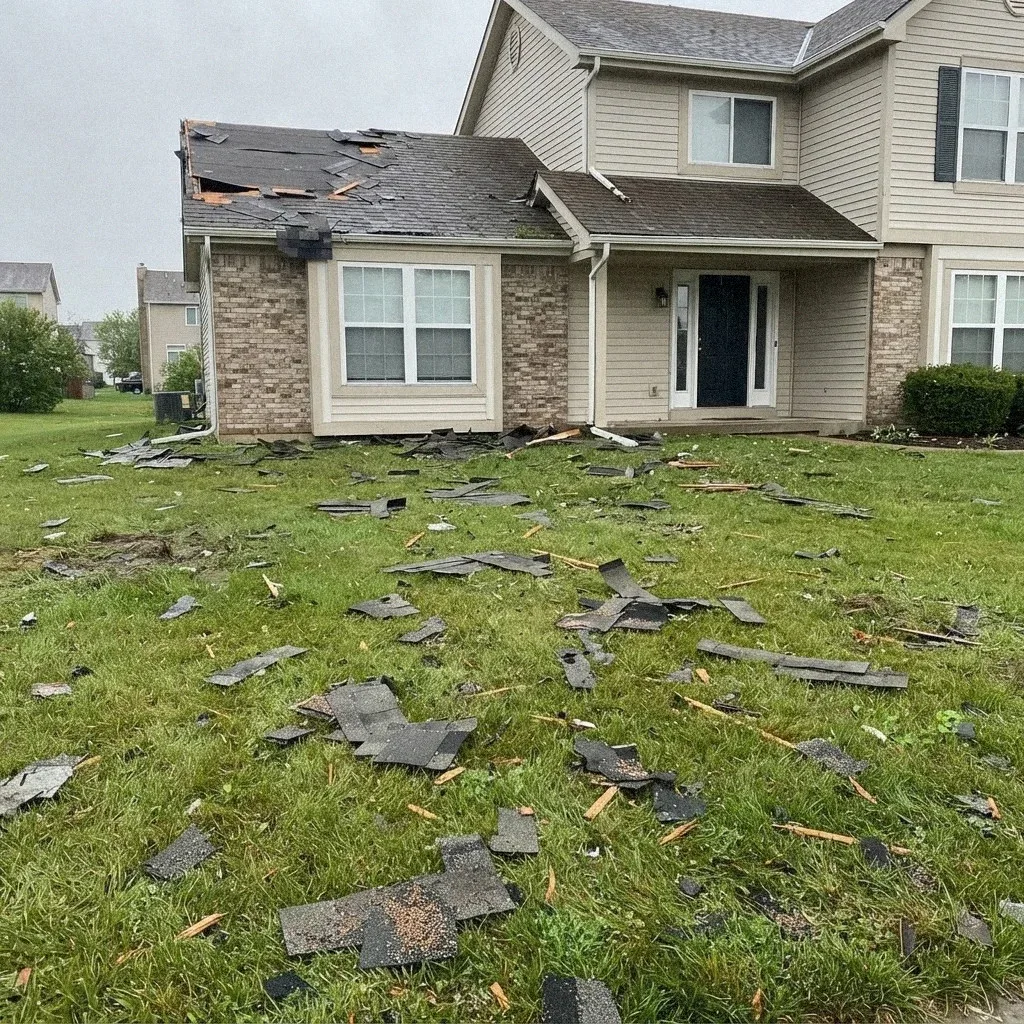
Fast inspection and repair after Santa Ana wind or a fallen limb. Call now, before the next gust.
Learn about Storm & Wind Damage Roof RepairTargeted shingle, tile and flashing repairs from licensed local pros, for Simi Valley roofs still worth saving.
Learn about Roof Repair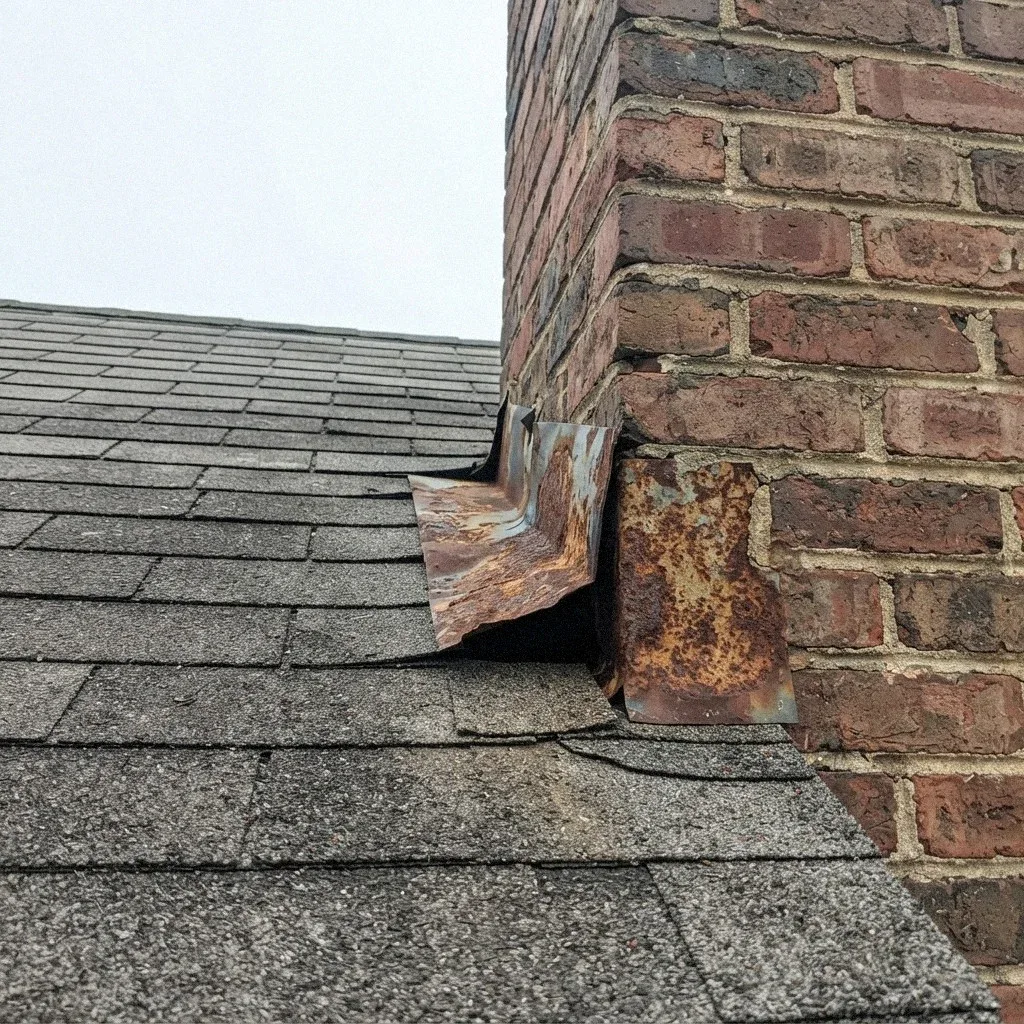
Rusted or loose flashing leaks long before shingles wear out. Get a local licensed pro on it now.
Learn about Flashing & Chimney Repair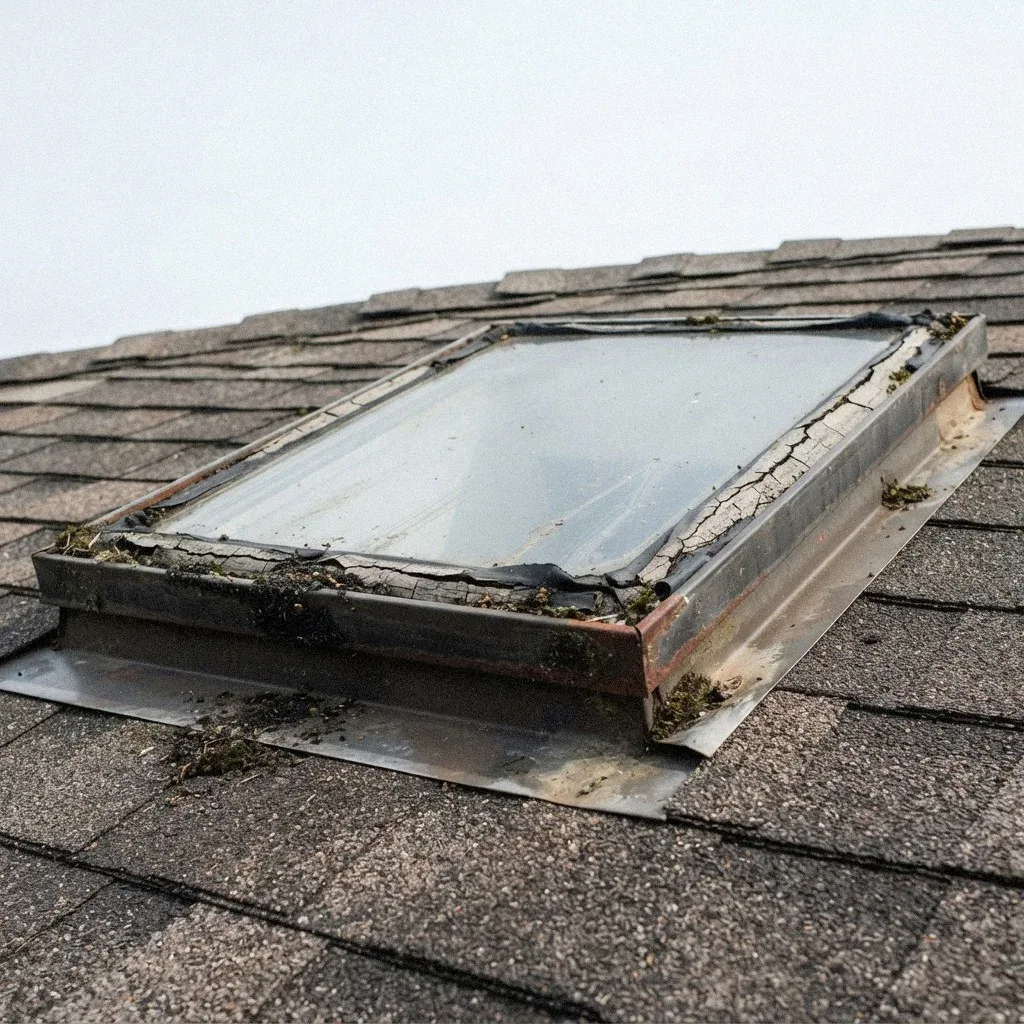
Find out if it's a leak or just condensation before you pay for either. Call (805) 463-1431.
Learn about Skylight Repair & Replacement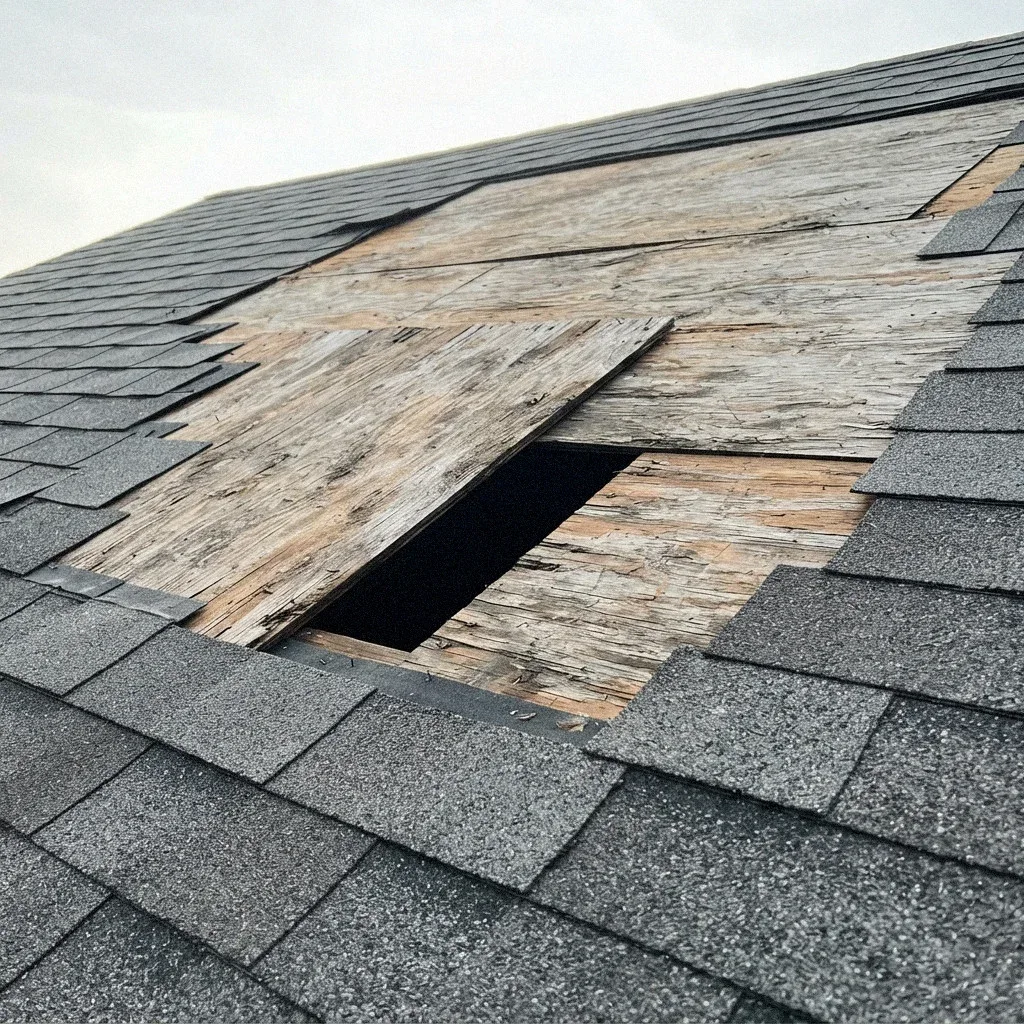
Soft, rotted decking cut out and replaced by a local licensed pro before the new roof goes on.
Learn about Roof Decking & Sheathing Repair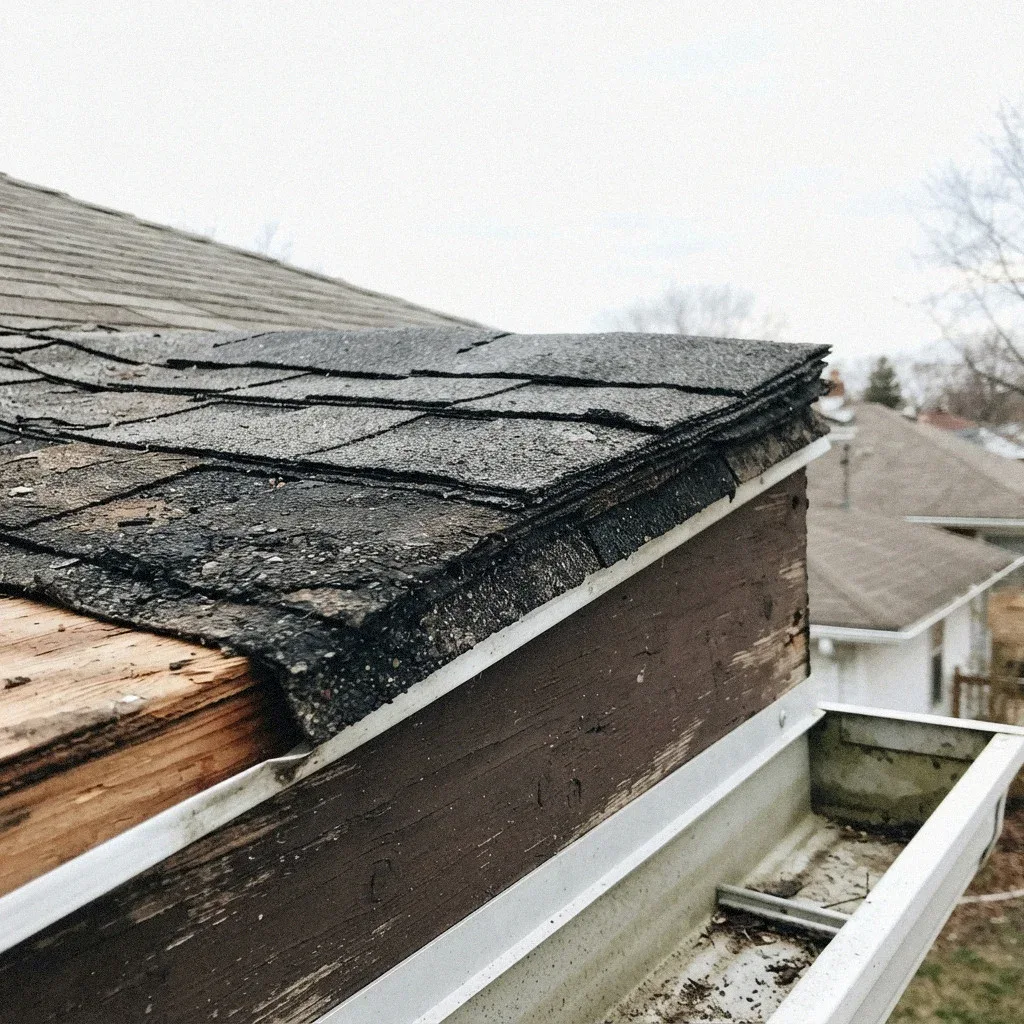
Full tear-off, yard protection and a clear written scope from licensed local pros. Call (805) 463-1431 now.
Learn about Roof Replacement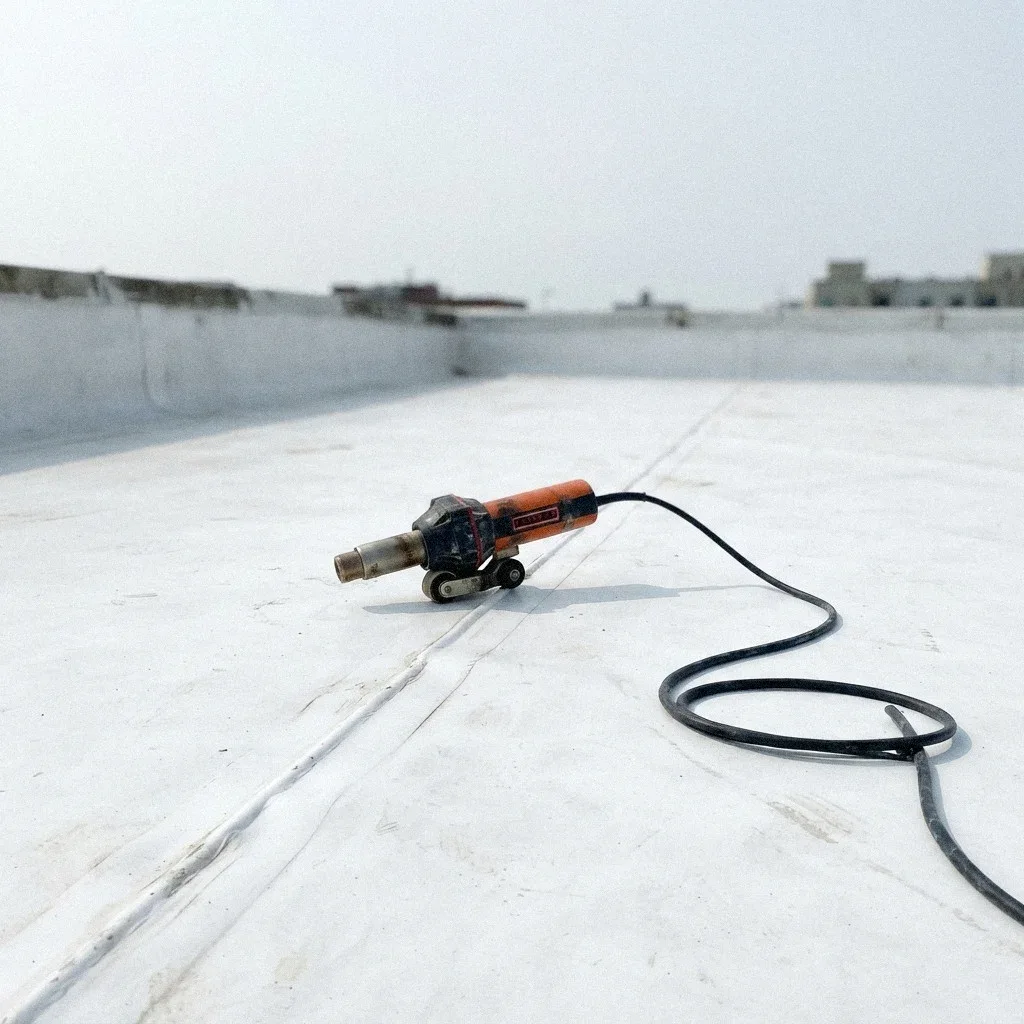
Licensed pros fix ponding water, seam splits, and blisters on flat and low-slope roofs. Call (805) 463-1431 today.
Learn about Flat & Low-Slope RoofingA tear-off and reroof on a Simi Valley tract house near Wood Ranch or Bridle Path typically takes two to four days once materials arrive. Clay tile jobs run longer than composition shingle because tiles come off and reset by hand. Steep hillside lots off Erringer Road can add time for staging and access. Your contractor will give a firmer window after walking the roof.
The licensed pros we connect you with usually stage a dumpster and a material drop at the curb or driveway for the length of the job. On tighter streets near Old Town or in equestrian lots along the horse trails off Erringer Road, that footprint gets planned out in advance so trash pickup and neighbors' access aren't blocked. Street parking may be limited for a few days.
Old shingles, tile, and nails come off the roof and land in the yard below, so anything planted close to the foundation or under the eaves gets tarped before tear-off starts. Homes backing onto hillside brush near Rocky Peak or Las Llajas Canyon often need extra ground cover, since ember-resistant landscaping there tends to sit right against the house. Gutters typically come off during this stage.
You don't have to stay home for the whole job. The licensed pros we connect you with mainly need someone reachable by phone and a driveway near Los Angeles Avenue or a side street clear enough for a dumpster and material delivery. Being present for the initial walkthrough and the final look at the finished roof is worth your time, though.
Residential roofing in this area typically falls between an estimated $11000–$30000 per job. The free inspection is what turns that range into an exact number, and you see it in writing first, with the per-sheet rate for any bad decking on it.
A tract home off Erbes Road bakes under Santa Ana sun differently than a hillside lot near Bridle Path, and a roof shading Arroyo Simi handles winter runoff differently than one set back from Tapo Canyon. Simi Valley's mix of flat-tract roofs and canyon-adjacent homes means no single fix applies everywhere. Tell the pros we connect you with where your roof sits and what it's facing, and they'll size the job to that specific spot, not a citywide guess.
Call (805) 463-1431