Local & Seasonal
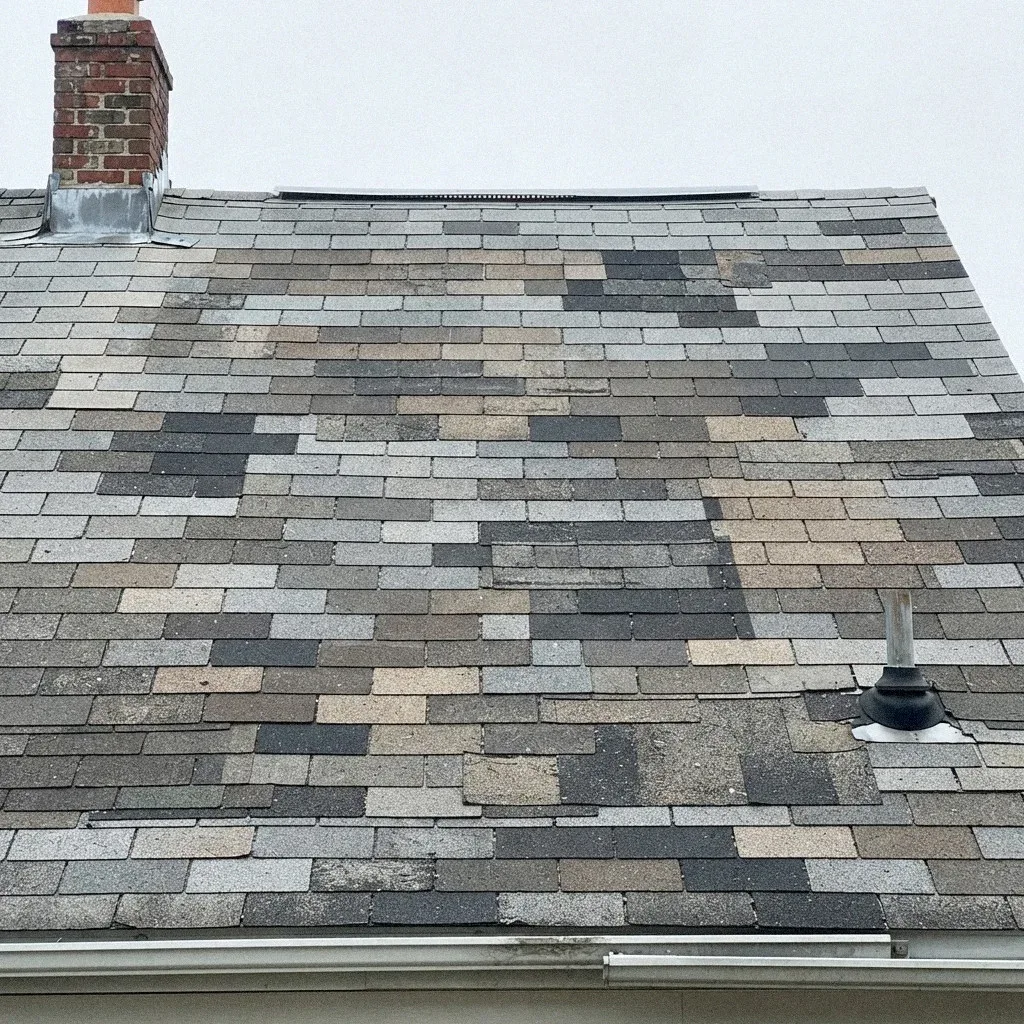
What Winter Leaves on a Simi Valley Roof
A short guide to checking a Simi Valley roof after winter: missing shingles, loose flashing, gutter flow, and attic stains, before the spring scheduling window fills up.
Read article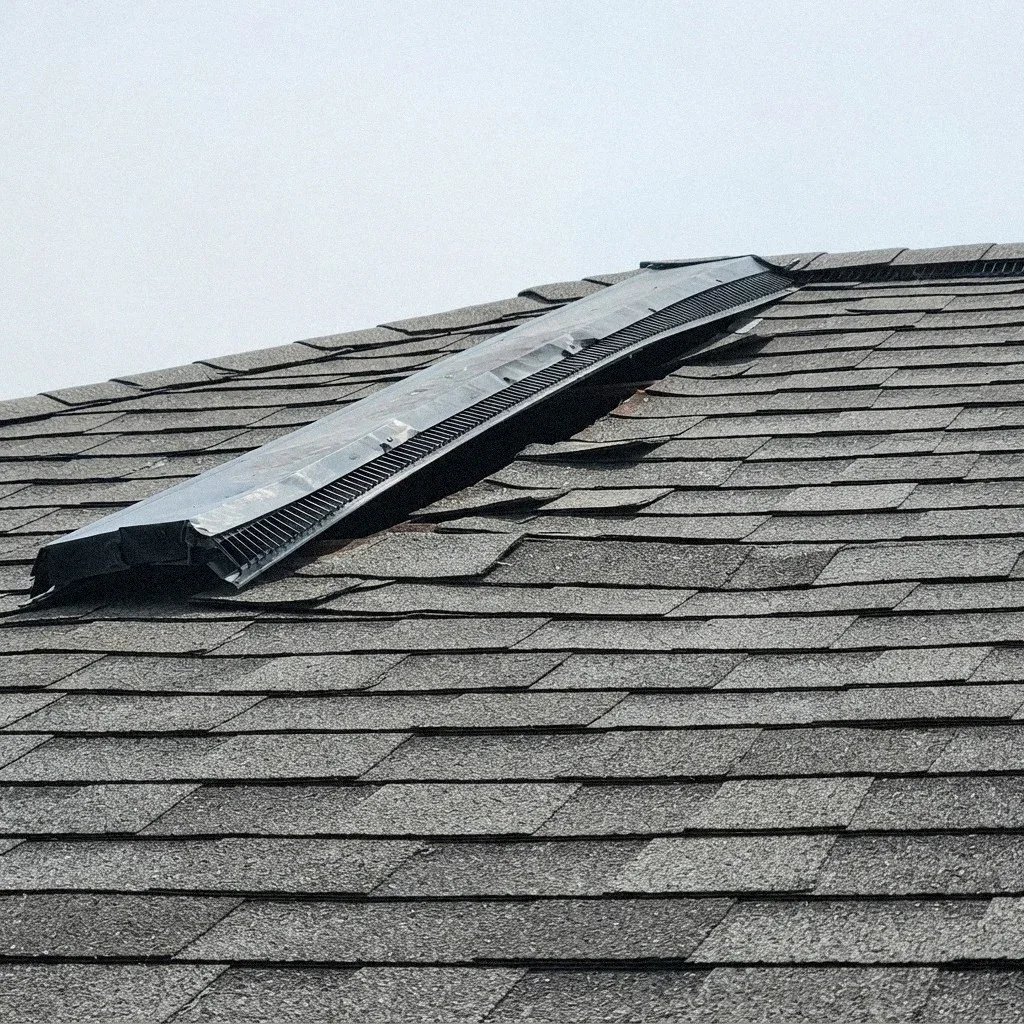
Licensed local pros balance your attic's intake and exhaust, so heat leaves and your upstairs cools down. Call now.
Attic ventilation contractors in Simi Valley, CA fix hot upstairs rooms by balancing soffit intake with ridge exhaust. We connect you with a local licensed pro who checks the whole attic, not just the roof.
Don't wait for the next heat wave to find out your vents aren't working. Call (805) 463-1431 and get the airflow fixed.
Attic roof vent installation adds ridge vents, static vents, or soffit intake wherever your attic falls short, sized to balance with the vents already working.
A reroof is the easiest time to do it, because the deck is already exposed.
Attic vent repair starts by clearing whatever blocks the air, most often soffits buried under insulation or paint.
Baffles then go in above the cleared soffit openings so insulation can't drift back and choke intake again.
Local experts in roof ventilation climb into the attic itself, not just onto the roof.
The licensed pros we connect you with check insulation depth near the eaves, where bath fans end, and whether ridge, static, or gable vents do real work.
They size intake against exhaust by net free area, not by how many vents are on the roof.
Attic ventilation repair fixes the cause of a hot upstairs, a musty smell, or dark streaks on the roof sheathing.
Those streaks often come from condensation, where warm indoor air meets a cold roof deck overnight.
Bath fans and dryer vents that dump into the attic get rerouted outside.
A roof vent lets hot attic air out, and it only works when soffit intake feeds it from below.
Ridge, static, gable, and older turbine vents can all work, but they often move less air than a modern ridge and soffit pairing.
Too much exhaust without matching intake pulls conditioned air out of your living space, so more holes is not the goal.
An upstairs bedroom that stays hot long after sunset usually means exhaust isn't pulling heat out fast enough. A musty smell or dark streaks on the sheathing point the same way.
Loose-fill insulation pushed toward the eaves smothers soffit openings, common on tract homes around Wood Ranch and Tapo Canyon. With no intake, ridge and static vents do nothing.
A bath fan or dryer vent that ends in the attic sends moist air up with every use, common near Patricia and the Los Angeles Avenue corridor. It stains the sheathing over time.
Shingles that curl or bake unevenly can mean trapped heat is working on them from underneath.
A licensed pro gets into the attic to check insulation depth at the eaves, where bath fans end, and whether vents do real work.
Attic floor square footage is weighed against open vent area on the roof and at the soffits, so intake and exhaust match.
Baffles go in above cleared soffits so insulation can't choke intake again, and dryer vents that dump into the attic get corrected.
Ridge vents, static vents, or more soffit intake go in where the system falls short, balanced with what already works.
Simi Valley attics bake for months under direct sun with almost no rain, so heat only leaves if the vents let it. Homes near the 118 corridor with low-slope additions or converted garages often have exhaust that was never sized for the extra attic space.
Soffit vents pull air in low along the eaves, and that air needs a high exit: a ridge vent, static vents, or older turbine vents still spinning on a Santa Susana Knolls roof.
The licensed pros we connect you with measure net free area, not vent count. A roof with soffit vents and a ridge vent can still fall short if the openings are too small or half covered by insulation or paint.
Older homes near Corriganville or Santa Susana sometimes pair gable vents with a ridge vent that was never sized to work with them. That can leave the attic no better off than having no exhaust.
Most roof ventilation & attic airflow jobs in Simi Valley fall inside these ranges. The inspection costs nothing and the exact figure is written down before any work starts.
| Underlayment Grade | Attic Airflow | Crew Availability |
|---|---|---|
| A crew that only reroofs sees fewer surprises than one that splits time between gutters, fences, and everything else. Repetition builds pattern recognition: the same failure points show up job after job, so a specialist catches them before they become a mid-project change order. | Swaps cracked tiles or shingles in place, matches existing color where possible | an estimated $315–$2470 |
| General handymen and dedicated roofing crews are not interchangeable. One juggles many trades and treats a roof as one task among several. The other sees nothing but roofs, all week, every week, which shapes how fast problems get spotted and how cleanly they get fixed. | Strips one layer, new underlayment and flashing, deck stays as-is | an estimated $450–$3380 |
| A low bid that skips proper flashing detail or attic ventilation can look attractive on paper and cost far more once the first hard rain finds the gap. Comparing quotes on price alone hides the difference between a shortcut and a finished job. | Complete reroof, new flashing and valleys, cool-roof rated material | an estimated $585–$4680 |
| Tile and shingle roofs fail in different, predictable ways after enough years of sun and wind. A crew that handles nothing but roofing recognizes those patterns quickly, which tends to mean fewer change orders once the old material comes off. | Reroof with skylight flashing redone, no interior ceiling work | an estimated $810–$6760 |
Cost tail: a bid that undercuts everyone else usually skipped a step, not found a shortcut. Tear-off disposal, flashing detail, and proper underlayment cost money whether or not a bidder mentions them. Ask what's left out before you ask what's included, and get it written down.
Usually your attic exhaust isn't pulling heat out fast enough after sunset. A musty smell or dark staining on the roof sheathing is a common sign too.
Ridge vents or extra static vents commonly go in along the roofline, and blocked soffit intake gets opened back up. Bath fans venting into the attic get redirected. The goal is balanced intake and exhaust, not more holes in the roof.
Yes. Too much exhaust without matching intake pulls conditioned air out through ceiling gaps, and too much intake leaves stale air sitting in the attic. Check the soffit side before adding turbine or static vents.
Yes. Insulation pushed toward the eaves is one of the most common causes of blocked soffit vents in Simi Valley attics. Baffles at the eave line hold a channel open so intake air still reaches the attic.
No, it should vent outside. It's common in older Simi Valley tract homes, so the licensed pros we connect you with check bath fan and dryer vent endings on almost every attic inspection.
Every roof is different, so the only accurate number comes from somebody going up and looking. That said, most roof ventilation & attic airflow jobs in Simi Valley run an estimated $450–$2600 per job, depending on the size of the roof and how steep it is. The figure is confirmed in writing before anything is ordered.
Most roofs in this valley are not beaten by one dramatic event. They're worn down by daily heat cycling, dry wind pulling at loose edges, and years of sun exposure that quietly break down materials from the top layer inward.
A short guide to checking a Simi Valley roof after winter: missing shingles, loose flashing, gutter flow, and attic stains, before the spring scheduling window fills up.
Read article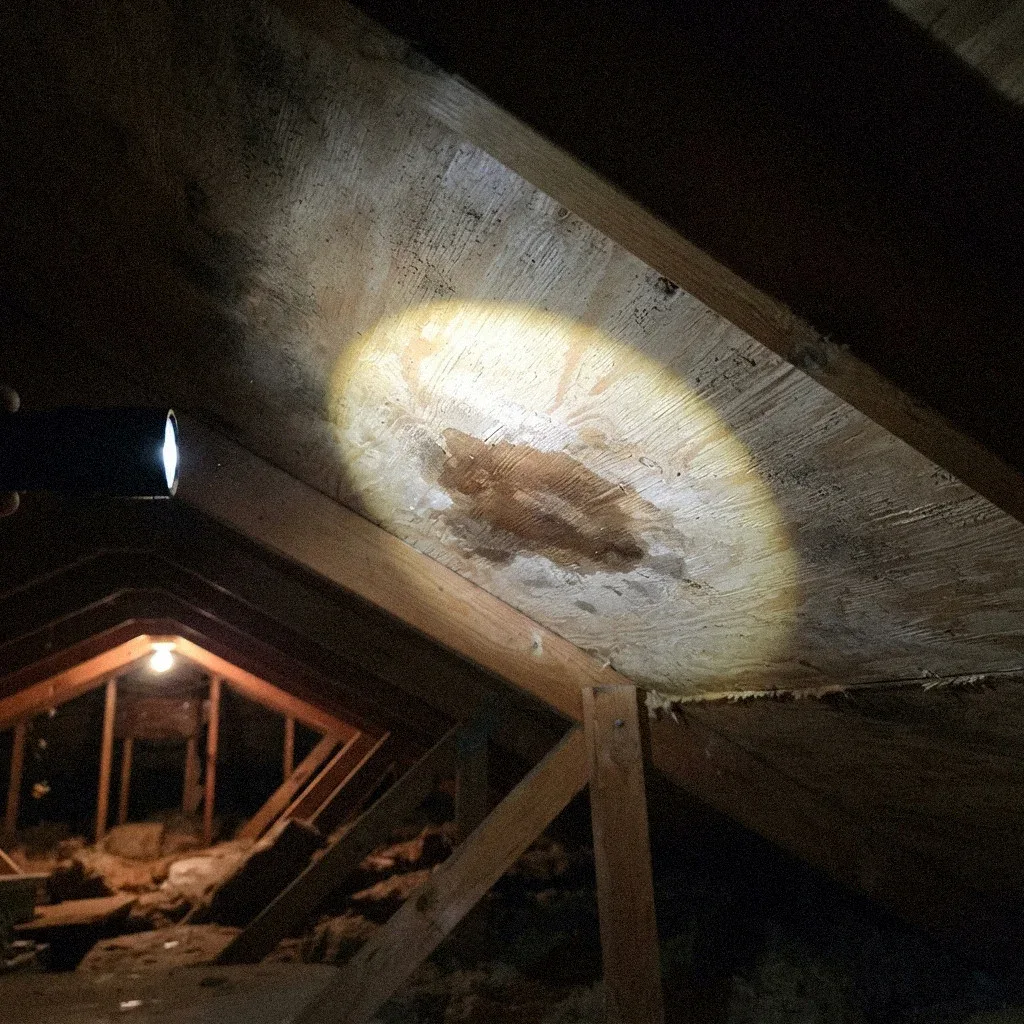
Simi Valley roofs rarely fail from one storm. They lose years to shaded valleys, clogged debris, weak flashing, and attic moisture that never gets a chance to dry out.
Read article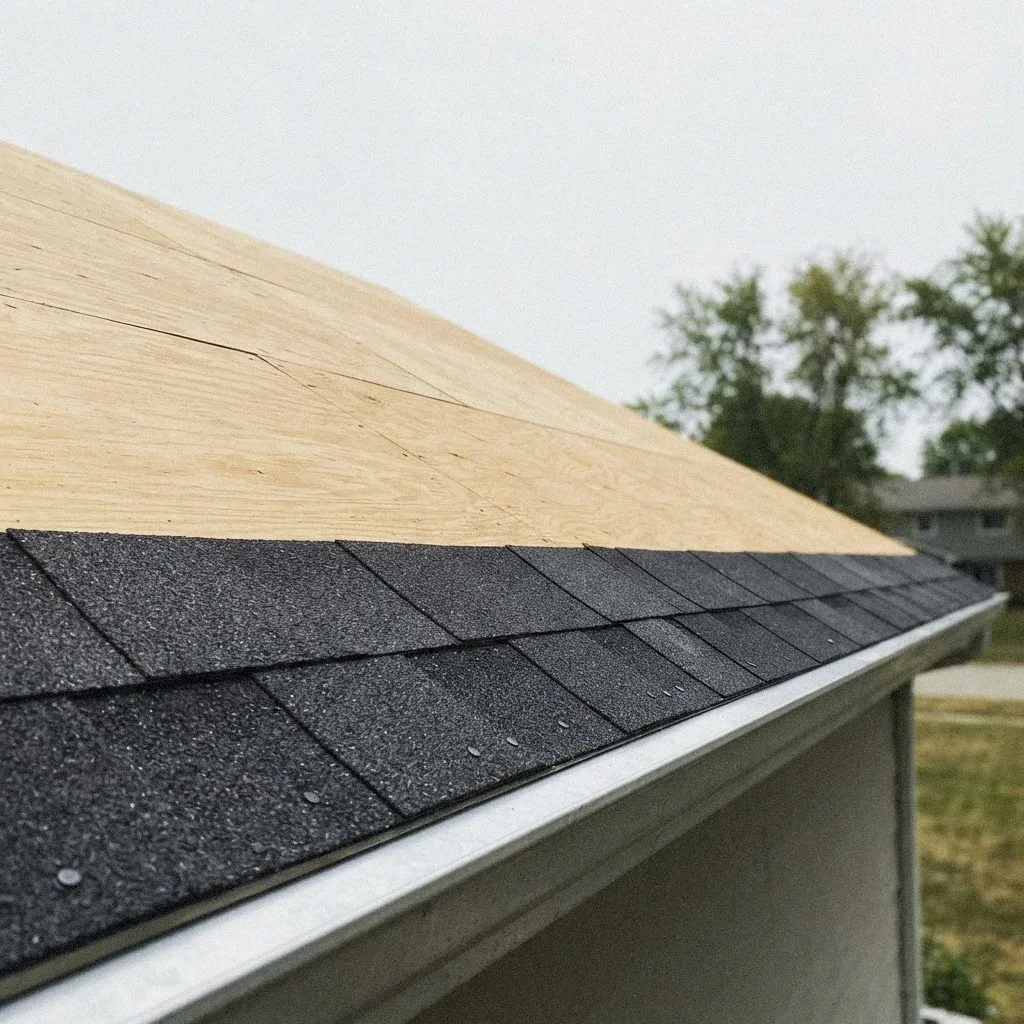
Both shingle types cover a Simi Valley roof, but they part ways in bundle weight, layers, and how much wind they can take. Here is what actually separates architectural from three-tab before you call a roofer.
Read articleThis page covers what the service generally involves, but no two Simi Valley roofs wear the same way. A clay tile roof in Wood Ranch ages differently than a shingle roof near Sinaloa Lake, even under the same Santa Ana winds. Framing and past repairs matter too. The clearest next step is a direct look from the licensed pros we connect you with, who can tell you whether this service fits your roof or something else does.
Call (805) 463-1431