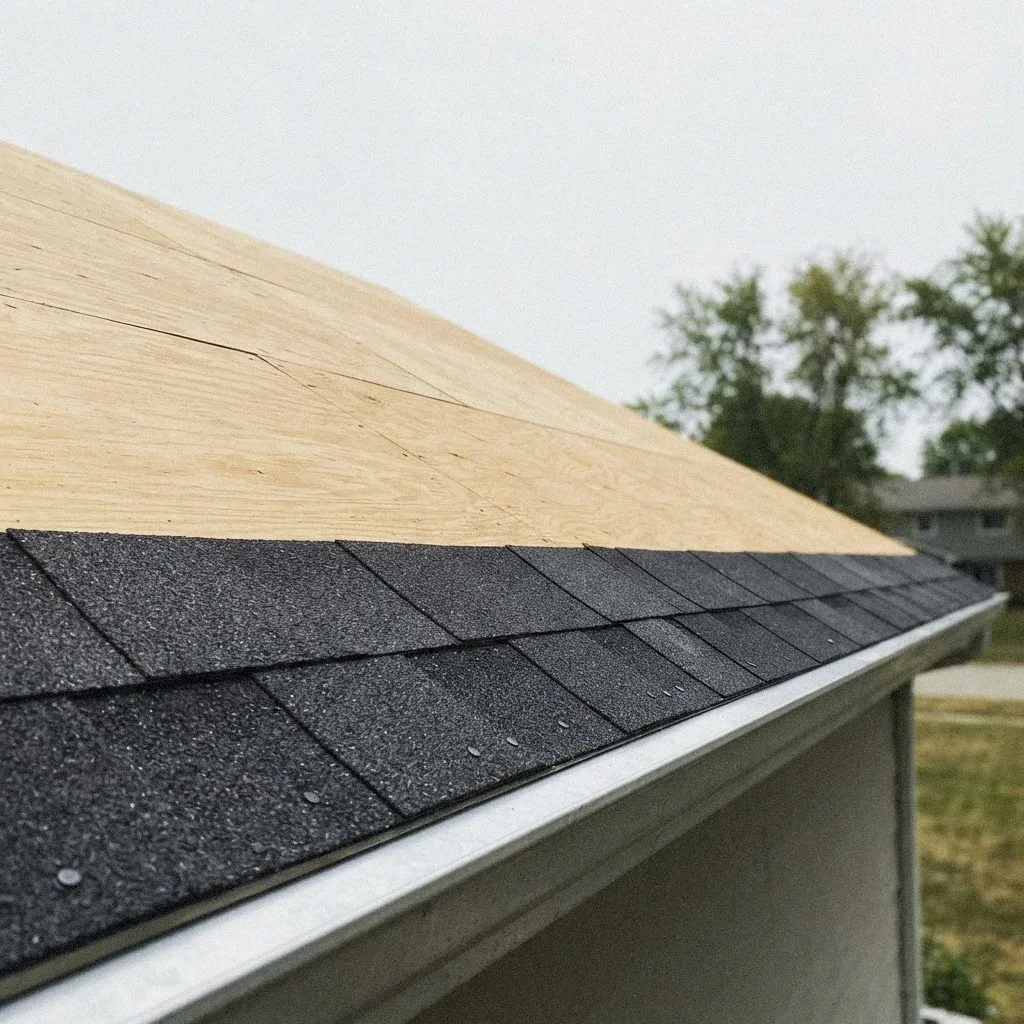
Simi Valley winters are short but not gentle on a roof. A handful of hard storms move through between December and March, dumping rain fast rather than steadily, and that pattern is what actually wears on shingles and flashing. Add in Santa Ana winds earlier in the season and the debris they push onto roofs near the Santa Susana Mountains foothills, and by spring there is usually something worth checking, even on a roof that looked fine in November.
Why Spring Is the Window
Spring works because the roof is finally dry and the weather has settled enough to look at it properly. Climbing a ladder or poking around a tile roof right after a storm is a bad idea, and most repair crews are still catching up on emergency calls anyway. Once the rain stops for good, usually by April, there is a real scheduling window before the valley heat sets in and before red flag warning days start making outdoor work riskier.
Start With Missing Shingles
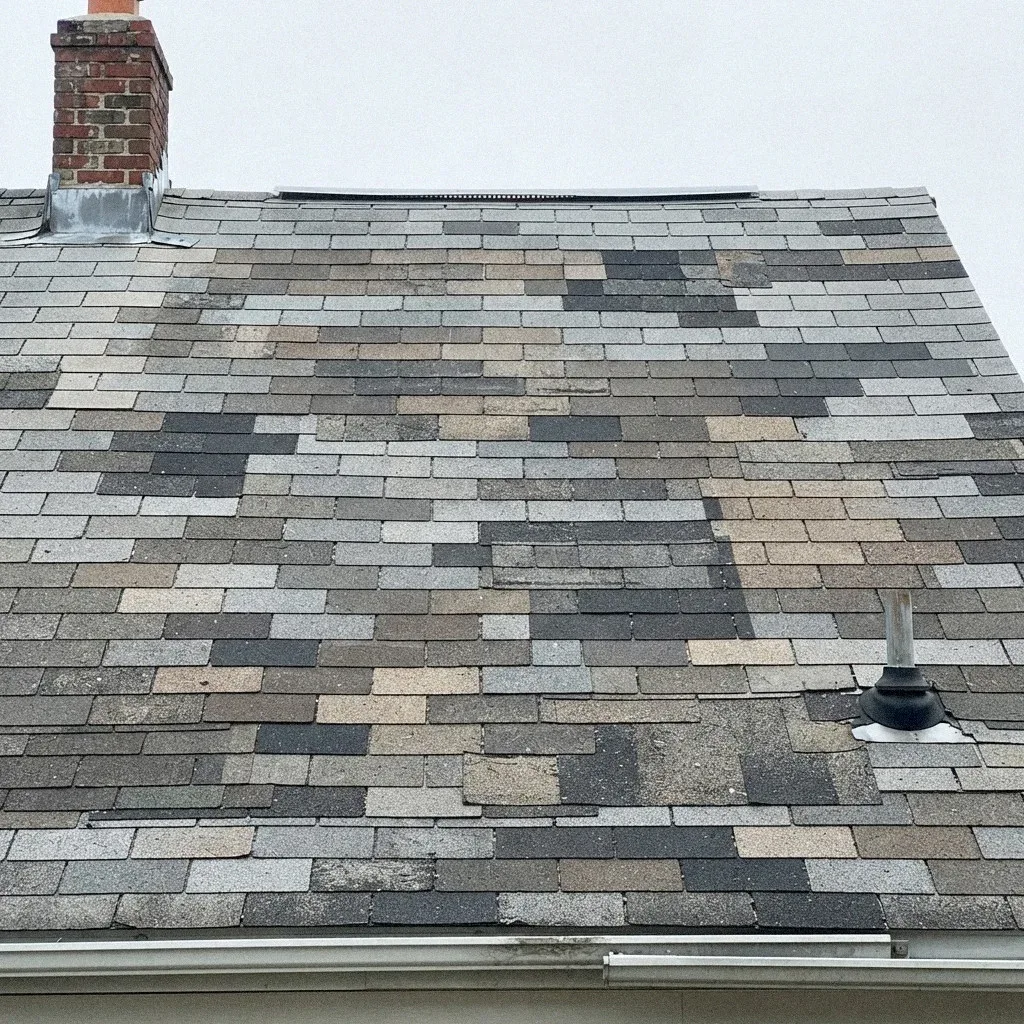
Start at the ground, not on the roof. Walk the perimeter of the house and look up at the roofline from a few different angles. A shingle that has gone missing, or a section of clay tile that looks cracked or slipped out of line, usually shows up this way before it shows up as a leak. Binoculars help on a two-story or steep-pitched section. This is also the easiest check to repeat every spring without needing any tools.
Debris on Hillside Lots
Winter storms move debris around, and Simi Valley's hillside lots near places like Wood Ranch or the Bridle Path collect more of it than flatter neighborhoods. Leaves, pine needles, and ash left over from a dry season can pile up in valleys and behind chimneys, holding moisture against the roof surface longer than it should sit there. Clearing that debris by hand, without walking directly on tile, is part of the same walkaround and takes only a few minutes.
Checking Flashing and Pipe Boots
Loose flashing is easy to miss from the ground, so this step means getting closer, even if that just means the top of a ladder. Check where the roof meets a chimney, a skylight, or any wall, since these are the spots most likely to separate after a season of temperature swings and wind. A pipe boot that has cracked or pulled away from its base is one of the more common findings here, and it is a small fix if caught early.
Gutter and Downspout Flow
Gutters along a Simi Valley roofline often show what winter left behind: granule grit sitting in the trough, a bracket pulled loose from the fascia, or a downspout that barely drips when it should run. Weak downspout flow pushes water toward the foundation instead of away from it, which matters on a slab foundation. Clearing debris and confirming each downspout empties freely is a quick check that catches a problem before the next storm season finds it for you.
Ridge Cap and Tile Slippage
The ridge cap sits along the peak of the roof and takes the brunt of wind exposure all winter, especially on hillside properties that catch more of it. Look for cap pieces that appear lifted, shifted out of line, or missing altogether. On a tile roof this can mean a tile has slid rather than broken outright, which is easy to overlook from a distance but leaves a gap for water to get underneath during the next storm.
Moving Into the Attic
The attic is worth ten minutes with a flashlight once the outside walkaround is done. Go up during daylight and look at the underside of the roof deck, paying attention to areas near valleys, vents, and any place a pipe or duct passes through. This is where a small leak shows up first, long before it reaches the ceiling below. It is also the one part of this checkup that has nothing to do with climbing on the roof itself.
What a Stain Check Finds
Attic checks matter more than most homeowners assume, because a leak often shows up on the plywood sheathing or a rafter long before it ever reaches the ceiling below. Bring a flashlight and look for dark streaking, soft or discolored wood, or damp insulation near any pipe boot or the ridge cap. A small mark up there, caught in spring, is a simple patch. Left alone through another season of valley heat, it can turn into a repair that reaches the drywall.
Signs of Attic Condensation
Attic condensation shows up as damp-looking wood or a musty smell rather than an obvious stain, and it usually points to airflow rather than a roof leak. A bathroom or dryer vent that vents into the attic space itself, instead of running all the way outside, is a common cause. So is insulation packed tightly enough to block a soffit vent. Either one traps moisture inside the attic long after the storm that caused it has passed.
Sealant and Penetration Points
Sealant checks cover anywhere something passes through the tile or shingle field: plumbing vent stacks, a skylight frame, a satellite dish mount, anything with fasteners driven into the roof. Years of valley heat and UV exposure dry this material out faster than the roofing itself tends to wear. Sealant that looks cracked, chalky, or has pulled away from the edge it was meant to seal is worth marking down, even if nothing is visibly leaking yet.
Building the Spring Punch List
What this walkaround produces is a punch list, not a diagnosis of how urgent everything is. A cracked pipe boot or a loose gutter bracket can usually wait a few weeks. A ridge cap gap or a stained attic rafter is worth a closer look sooner. Writing down what was found, and roughly where, turns a spring walkaround into something useful to hand off if a repair or a fuller inspection is the next step.
Dealing with this in your home?
Simi Valley roofs face a different clock than shaded lots elsewhere. Tract homes off Erringer Road and near Rancho Simi Community Park sit exposed under direct sun for decades, with Santa Ana winds testing every loose tile between First Street and the Santa Susana foothills. Red flag warning days push that timeline faster than most homeowners expect.