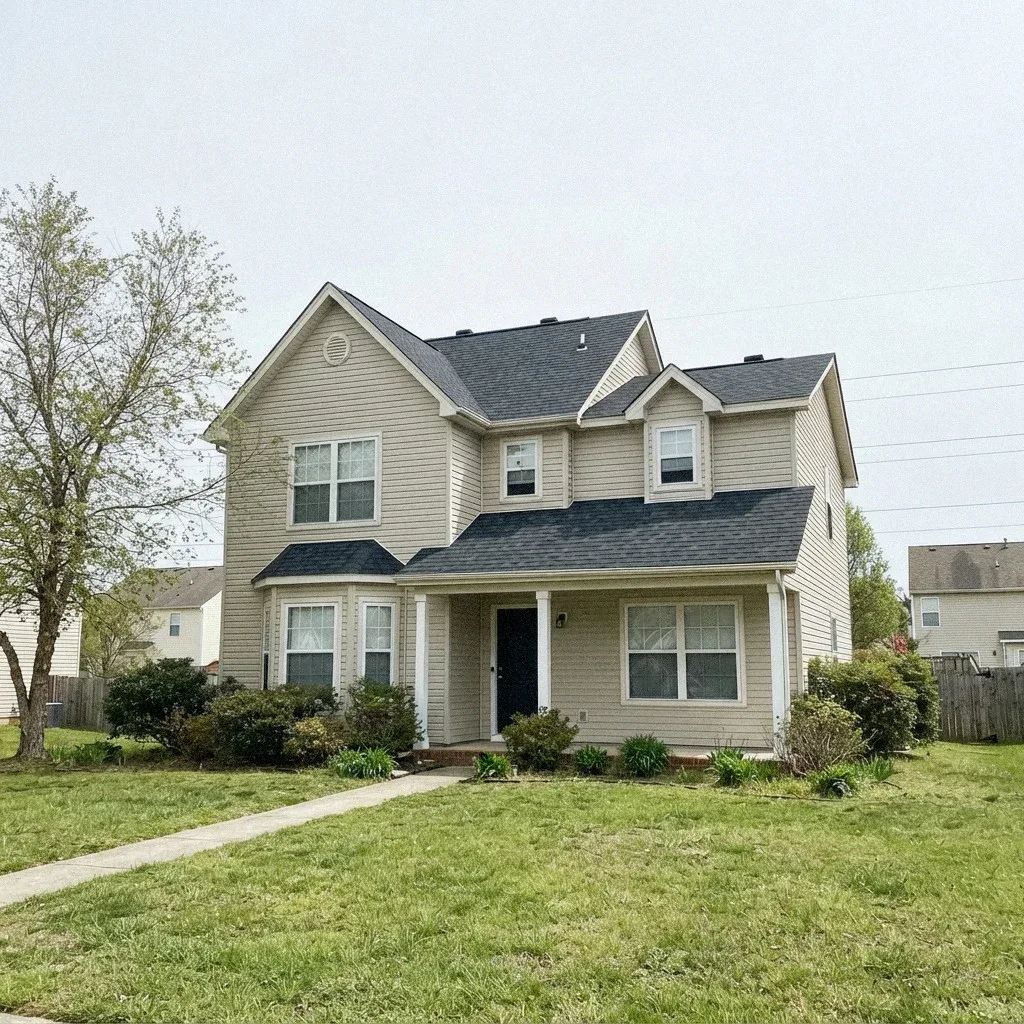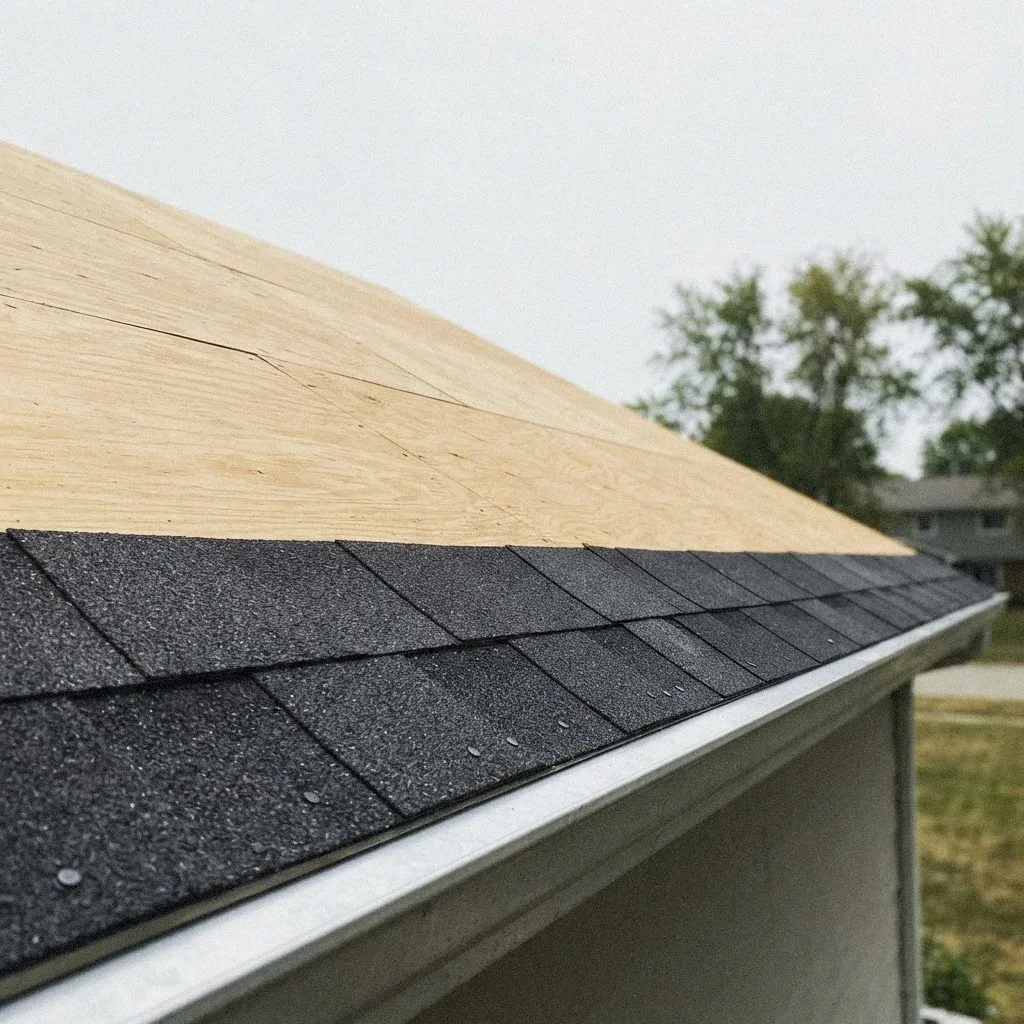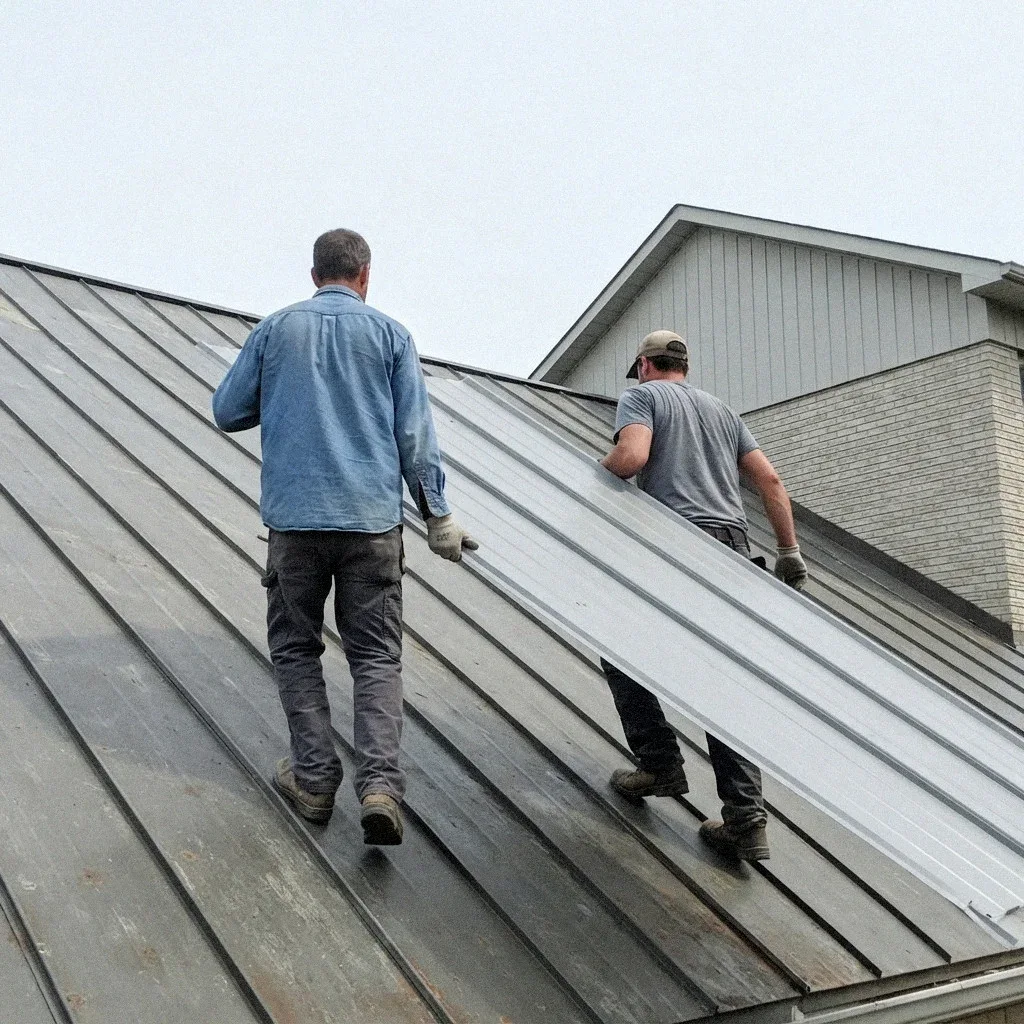
A cedar shake roof in Simi Valley behaves differently than the concrete tile common on so many tract homes here. Wood shakes move with the valley heat and the dry stretches between storms, shrinking and swelling instead of staying fixed. An owner who treats shake like a set-and-forget roof, the way a tile roof can almost be treated, usually finds out otherwise after a few Santa Ana wind events.
Hand-Split Versus Taper-Sawn Shake
The two are cut differently and they age differently. A hand-split shake is riven along the grain, so it keeps a rough uneven face and an irregular thickness, and the grain running true is part of why it holds up. A taper-sawn shake is cut on a saw, giving a smoother face and a more uniform taper, which makes for a flatter and tidier roof. The rough face holds more debris and dries a little slower. The sawn face sheds more cleanly but shows every bit of cupping the moment it starts.
Why Keyways Matter
Keyways are the small gaps left between shakes in the same course. That space gives each piece room to swell after it takes on moisture, without pushing against its neighbor and buckling the course. On a home near the Arroyo Simi or any lot exposed to blowing dust, keyways can also catch debris over time, and a roofer checks them during any inspection of a shake roof's condition.
Spaced Sheathing And Exposure
Many older cedar shake roofs in Simi Valley were built over open, spaced boards instead of a continuous deck. That gap under each shake lets air move behind the wood, which helps it dry out after it gets wet. It also changes how much of each shake stays exposed to weather, since exposure is set by how far apart the boards sit and how each course overlaps the one below it.
Felt Interlayment Explained
On a shake roof the felt is not one sheet underneath everything. Strips of it are woven in between the courses as the roof goes up, sitting over the top of one course and under the next, so every shake has a layer of felt behind the gap above it. That interlayment is what actually keeps water out when wind drives it up under a keyway. It is also the part that fails invisibly: once the felt has gone brittle, the shakes above it can still look perfectly sound while the roof no longer works.
What Cupping Looks Like
Cupping is a shake curling across its width, so the edges lift while the middle stays down and a shallow trough forms. In this climate it comes from one face drying far faster than the other, which is what months of direct sun on the exposed side will do to wood. From the ground a cupped roof reads as slightly rippled rather than flat. The consequence is mechanical: lifted edges give wind somewhere to get underneath, and the trough holds debris and water in the one place the roof wants neither.
Splitting Along The Grain
Splitting is a crack that runs the length of a shake, following its grain rather than cutting across it. Age is one cause, but a shake can also split from a nail driven too close to its edge, or from someone stepping on it during another repair. A single split shake rarely causes a leak by itself, but it weakens that piece's grip on the course around it.
Checking Versus Splitting
The two words get used interchangeably and they mean different things. Checking is the fine surface cracking that appears as wood weathers, running shallow and not passing through the shake, and on a cedar roof it is expected rather than a problem in itself. Splitting goes through. A split follows the grain from one end toward the other and gives water a direct route to the felt behind. Telling them apart matters because one is a roof aging normally and the other is a roof leaking, and from a distance they look much alike.
Grade And Butt Thickness
Shakes are sold by grade and by the thickness of the butt, the thick end that shows on the roof, and both change how long the roof lasts. A premium grade is cut from the heart of the log with the grain running edge to edge, which is what resists splitting and cupping. A thicker butt simply carries more wood to lose before the shake is finished. That is why two cedar roofs of the same age on the same street can be years apart in condition, and why matching a repair means matching grade and thickness rather than just buying cedar.
When Individual Repair Works
Replacing shakes one at a time is a real repair rather than a stopgap, provided two things hold. The felt interlayment behind that area has to still be sound, because a new shake over failed felt fixes only the part you can see. And the surrounding shakes need enough life left that the new piece is not simply the one sound shake on a finished roof. Where both hold, the awkward part is matching, since a new shake is pale against forty years of weathering and on a visible slope that shows for a long time.
When Repair Stops Making Sense
Repair stops being worth it once splitting, cupping, and checking cover most of the roof instead of a few isolated spots, or once the felt interlayment itself has broken down under the shakes. At that point, replacing pieces one at a time just delays a problem that's already spread across the whole surface. A roof inspection can usually tell an owner which side of that line their roof sits on.
What Neglect Actually Costs
A cedar roof left alone does not fail politely. Debris held in cupped shakes keeps the wood damp, damp wood decays where it is fastened, and once nails have lost their grip the shakes above them start moving in wind. Meanwhile the felt behind is aging on its own schedule regardless. The expensive outcome is not the shakes themselves, it is the sheathing and framing underneath, which on a spaced-board roof is exposed to whatever gets through. Cedar rewards a look every year or two more clearly than any other covering here.
Dealing with this in your home?
Simi Valley roofs face a different clock than shaded lots elsewhere. Tract homes off Erringer Road and near Rancho Simi Community Park sit exposed under direct sun for decades, with Santa Ana winds testing every loose tile between First Street and the Santa Susana foothills. Red flag warning days push that timeline faster than most homeowners expect.