Roof Problems
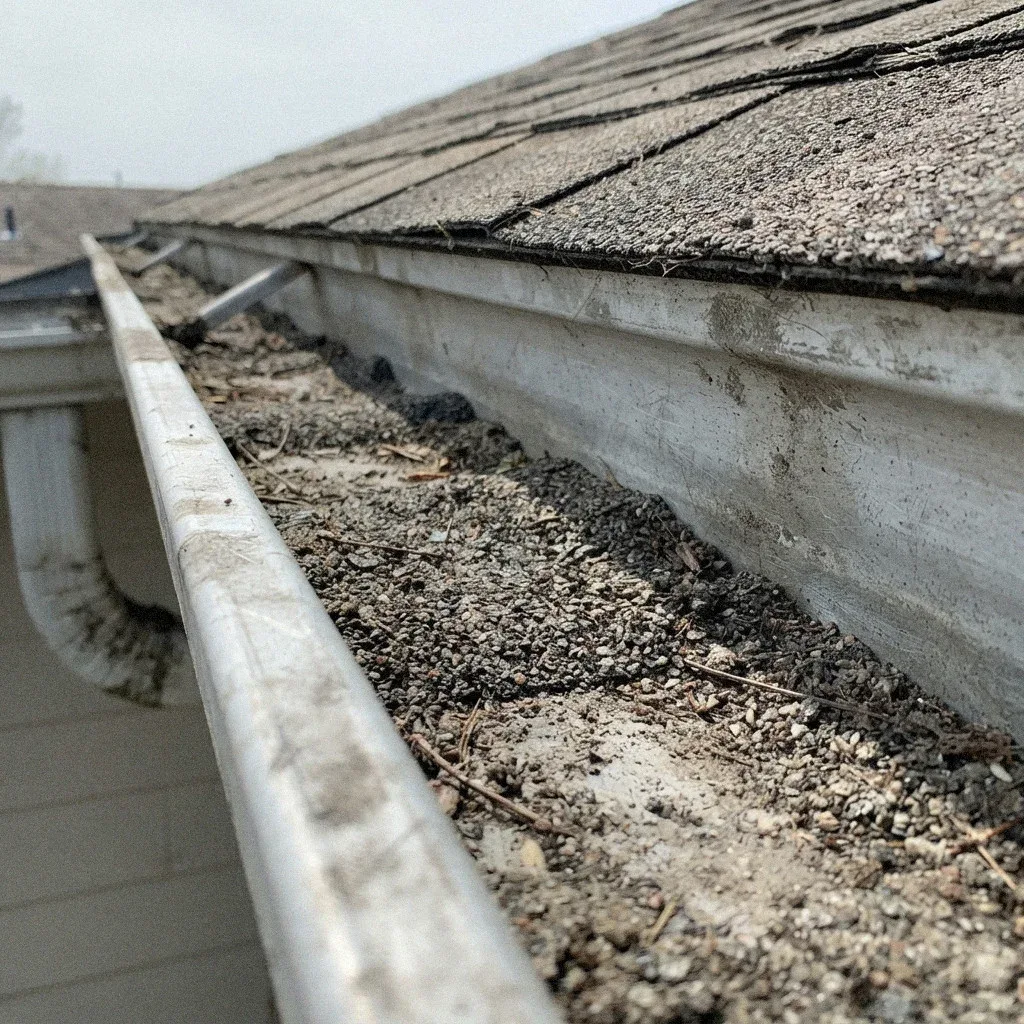
What Gutter Granules Are Telling You in Simi Valley, CA
Ceramic granules piling up near a Simi Valley downspout aren't automatic bad news. Here's how to read shedding, bald spots, and slope patterns correctly.
Read article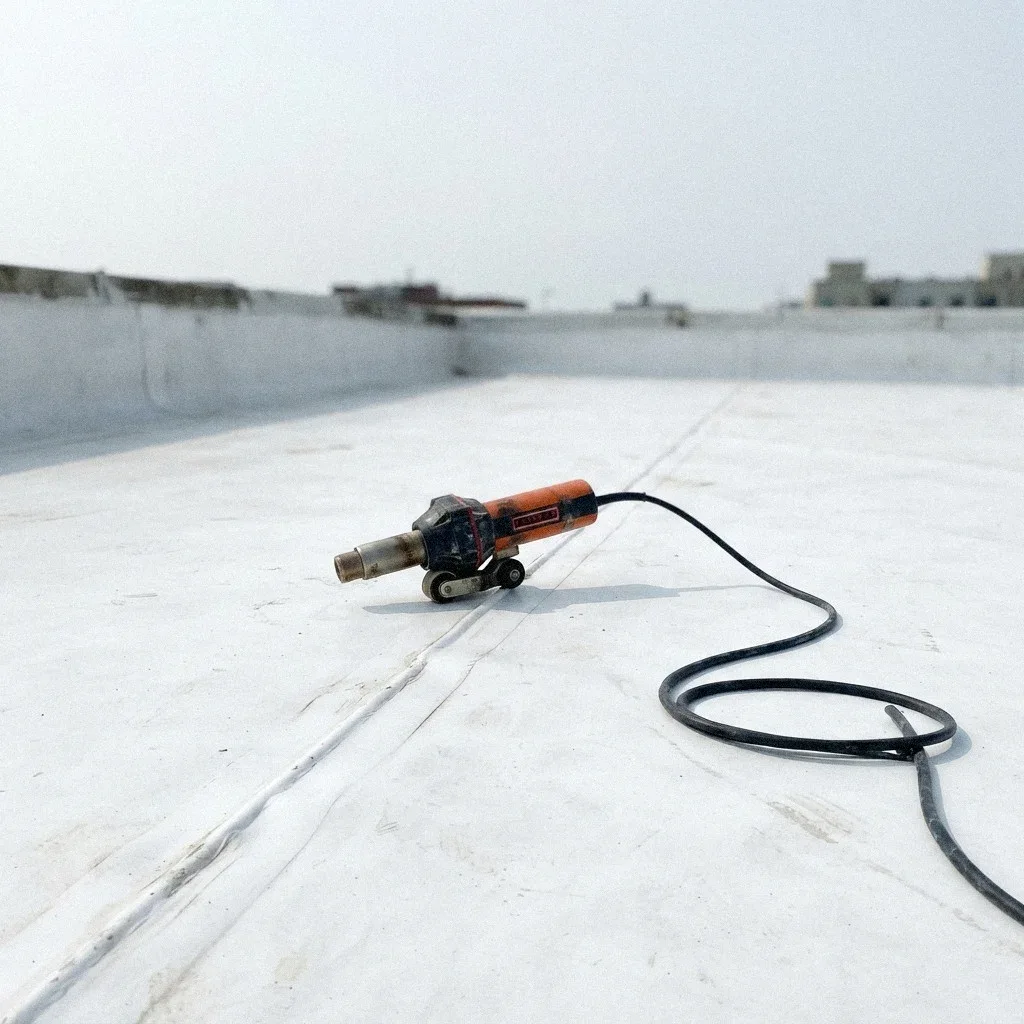
Licensed pros fix ponding water, seam splits, and blisters on flat and low-slope roofs. Call (805) 463-1431 today.
Low slope roof repair Simi Valley, CA homeowners can count on starts with finding the failed seam, drain, or flashing before water reaches your ceiling.
Call (805) 463-1431 and we connect you with a local licensed pro. Don't wait for the next storm.
A good flat roof company finds out why water is sitting on your roof, not just where the stain shows up.
The licensed pros we connect you with check seams, drains, and flashing at parapet walls before they price anything.
A tile roof on the main house does not protect the flat sections attached to it.
Many 1970s and 1980s tract homes have low-slope roofs over garages, patio additions, and porch extensions that don't shed water like tile does. Santa Ana wind and sun bake that membrane season after season, so get it checked even when the tile looks fine.
A flat section needs a new roof when the deck is wet or soft, or when the membrane has already been re-covered once.
A re-cover only works if the existing membrane is dry underneath and still adhered. Re-covering a soaked membrane just seals the damage in.
Flat and low slope roofing installation means stripping to the deck when needed, replacing soft sheathing, and setting tapered insulation so water runs to the drains.
New membrane goes down with heat-welded or adhered seams, and flashing is rebuilt at parapet walls and every penetration.
A low-slope membrane holds water in place instead of shedding it. A small seam split or cracked drain fitting can leak for weeks before a stain shows below.
Soft bubbled patches mean air or moisture got trapped under the surface. Another season of Santa Ana wind and sun can turn a blister into a seam failure.
A stain under a flat garage roof, patio cover, or addition rarely sits under the leak. Water travels sideways under the membrane before it finds a gap in the deck.
The licensed pros we connect you with check for ponding water, seam failure, blistering, and soft spots at parapet walls. They also check flashing at every penetration before pricing.
They lay out single-ply and modified bitumen options and flag where tapered insulation would fix a ponding spot. Then they price a re-cover against a full tear-off based on what the roof can support.
On a tear-off, the old membrane comes off to the deck and any soft or water-damaged sheathing is replaced. Tapered insulation is set so the roof slopes toward the drains.
New membrane goes down with heat-welded or adhered seams, and flashing is rebuilt at parapet walls and penetrations. Drains and scuppers are checked to confirm water leaves the roof.
Simi Valley's tract homes often have flat or low-slope sections over garages, patios, and porches, even under a pitched tile main roof. Those sections don't shed water like tile, and Santa Ana wind cycles bake the membrane every season.
Positive slope is not automatic on a low-slope roof. Tapered insulation has to push water toward drains or scuppers, or the flat plane collects it instead of shedding it.
Ventura County permitting applies once a re-roof reaches a certain scope. A licensed pro won't re-cover a soaked membrane, because a wet deck just seals the damage in, and that call is made at inspection.
Here is roughly what flat & low-slope roofing runs locally. Treat it as a guide — the property itself decides where inside the range you land.
| Line-Item Estimate | Cool Roof Rating | Inspection Sign-Off |
|---|---|---|
| A state contractor license means the business is registered, bonded, and carrying liability insurance. That status can be checked before any work starts, and it says more about who is showing up than a friendly sales pitch does. | Ground-level look at tile or shingle, photos, no ladder on steep slopes | an estimated $6300–$24700 |
| Insurance matters in two directions. It covers the property if something goes wrong mid-job, and it keeps a worker's injury off the homeowner's own policy. Asking to see current coverage before signing anything costs nothing and confirms both. | Tear-off down to deck, fresh valleys, standard shingle reinstalled | an estimated $9000–$33800 |
| A license number is only useful if somebody checks it. The state board publishes current status, expiry, bond and any disciplinary history, and looking it up takes a minute. A contractor who hesitates when asked for that number has answered the question anyway. | Tear-off to bare deck, structural sheathing replaced where sun-baked and brittle | an estimated $11700–$46800 |
| Unlicensed work can look fine on the surface for months. The trouble surfaces later, when a warranty claim has no company standing behind it, or a lien appears on a job the homeowner already considered paid and finished. | Full reroof, disposal included, exterior paint touch-up on fascia boards | an estimated $16200–$67600 |
A licensed roofer's bid should separate the cost of materials from the cost of labor in writing, not just as a single total. That breakdown is what lets a homeowner compare two bids honestly and see whether one side is quietly underpricing the other.
They start at the seams, the flashing at parapet walls and wall-to-roof transitions, and every drain or scupper, since that's where a membrane fails. On single-ply, a seam probe or controlled water test can isolate the leak. On modified bitumen, they look for lifted laps or a cracked torch-down edge first.
Water standing after a storm usually means the roof has lost its pitch toward the drain or a scupper is clogged. Santa Ana wind cycles can also flex a membrane over the years and create shallow low spots. Left alone, ponding speeds up seam wear and causes blistering.
A re-cover makes sense when the existing membrane is dry underneath, still adhered, and not carrying more layers than code allows. A tear-off is the right call when there is trapped moisture, soft decking, or a membrane that has already been re-covered once.
A low-slope roof has almost no pitch, so it depends entirely on its membrane, seams, and drainage to keep water moving. A shingle roof can tolerate a small gap because gravity carries water past it. On a flat roof, the same gap becomes a standing puddle and eventually a leak.
A coating can extend the life of a membrane that is still sound but showing surface wear, light blistering, or UV breakdown. It will not fix a wet substrate, an open seam, or bad flashing at a parapet. Those get repaired first, then the coating goes on.
As a guide, flat & low-slope roofing here works out at an estimated $9000–$26000 per job. A simple gable roof with good access sits at the bottom; a steep, cut-up roof with several dormers sits at the top. Nothing is charged until you have approved a written estimate.
Red flag warning days change what a roofing job should account for. Wind-driven embers test loose tile and open eaves differently than routine wear does. Asking a contractor how they handle ember-resistant details, not just shingles or tile color, separates a durable job from one that only looks finished.
Ceramic granules piling up near a Simi Valley downspout aren't automatic bad news. Here's how to read shedding, bald spots, and slope patterns correctly.
Read article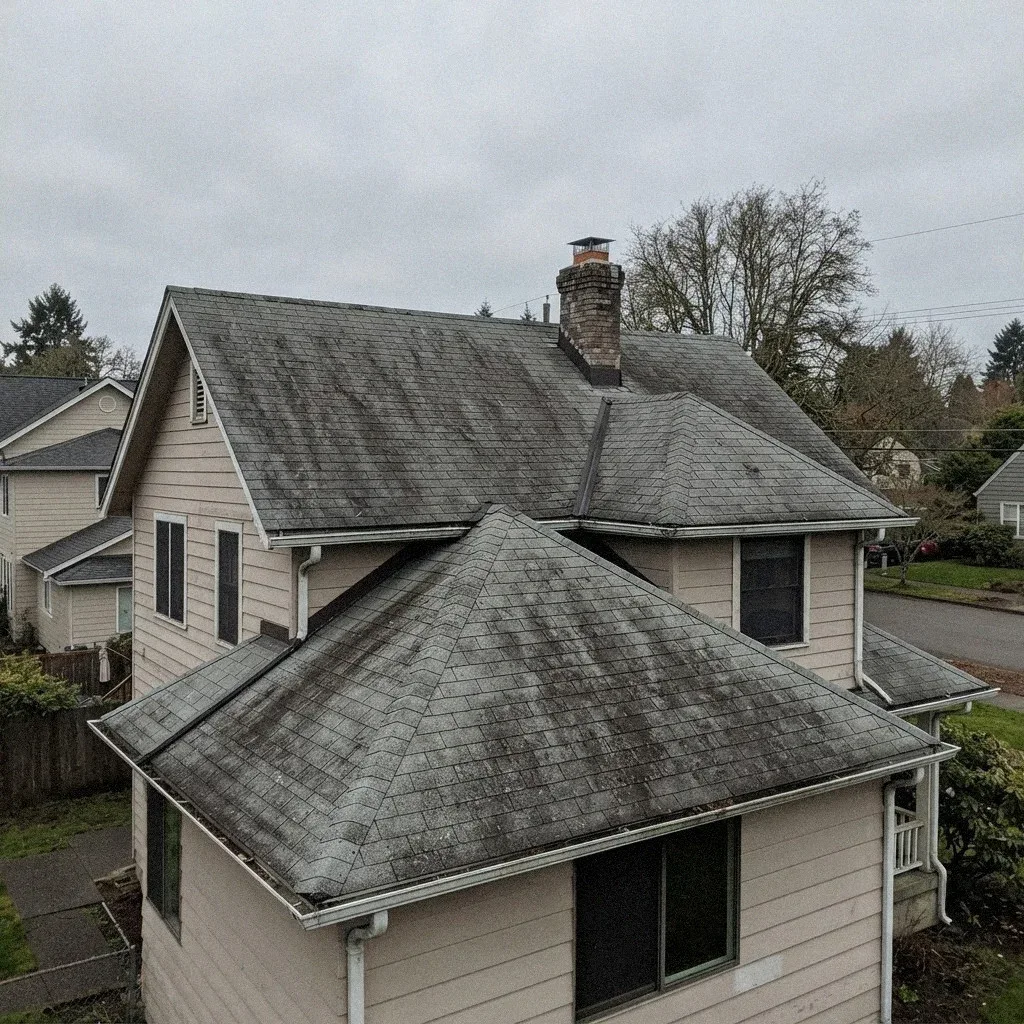
One side of a tile or shingle roof often fails before the rest. In Simi Valley, the north-facing slope is usually first, driven by shade, slower drying, and how sun exposure differs plane by plane.
Read articleThis page covers what the service generally involves, but no two Simi Valley roofs wear the same way. A clay tile roof in Wood Ranch ages differently than a shingle roof near Sinaloa Lake, even under the same Santa Ana winds. Framing and past repairs matter too. The clearest next step is a direct look from the licensed pros we connect you with, who can tell you whether this service fits your roof or something else does.
Call (805) 463-1431