Curling shingles do not all mean the same thing, even though from Tapo Canyon to Wood Ranch they can look alike from a driveway. The shape a shingle takes tells you where the trouble started, whether that is heat trapped in the attic, moisture working up from underneath, or a mat that has simply aged past its stiffness. Reading the shape before assuming the cause saves a homeowner from fixing the wrong thing on a house that has sat under the valley sun for decades.
Cupping And Clawing Are Different
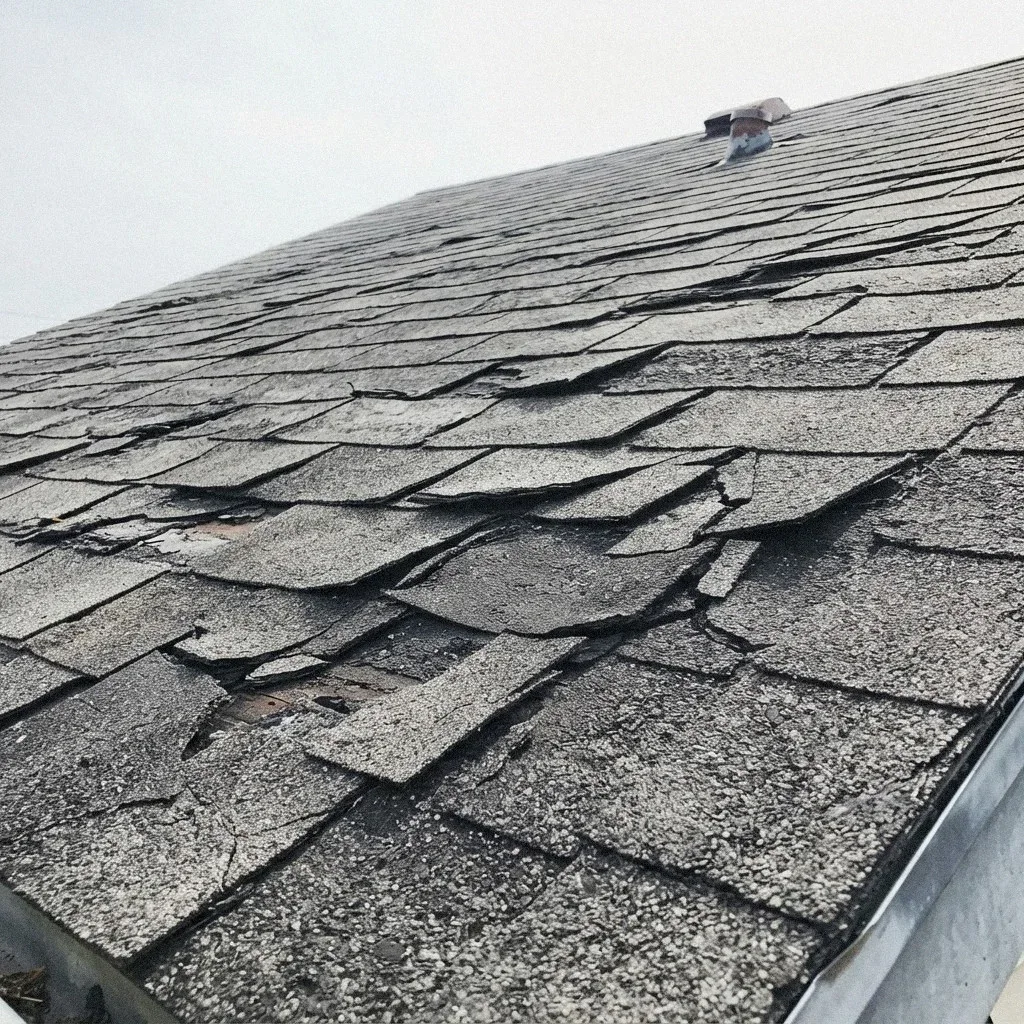
Cupping happens when a shingle's edges rise while the middle stays put, forming a shallow dish you can spot by standing at the curb and looking across a slope near the Community Center or any older Simi Valley block. Clawing looks rougher: the edges twist and buckle unevenly instead of lifting in one smooth curve. Both involve the shingle mat losing its original flatness, but the mechanism behind each is different enough that treating them the same way misses the point.
What Drives Cupping Specifically
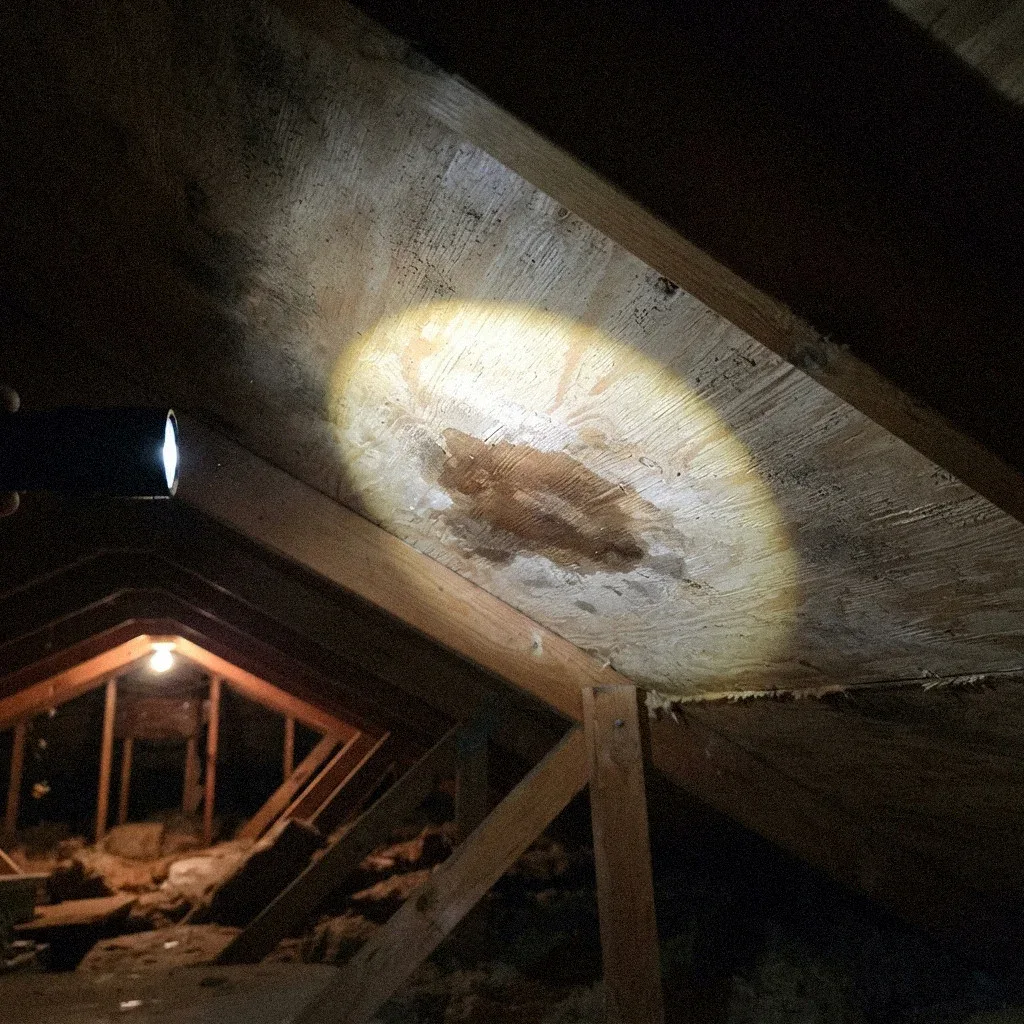
Cupping starts with the shingle mat itself. Heat trapped in the attic below pushes upward into the underside of the mat, softening asphalt and drying it unevenly compared to the sun-facing top surface. That mismatch bends the shingle edges toward the sky, like a shallow bowl. In Simi Valley, decades of Santa Ana wind heat cycling into an under-vented attic speed this along, especially on older tract homes where the mat has already lost oil through repeated thermal cycling.
Clawing And An Aging Mat
Clawing tends to show up on a shingle mat that has already logged years of thermal cycling, the daily push and pull of heating under Santa Ana winds and cooling overnight. That repeated flexing makes the asphalt brittle, and brittle material does not curl in one clean direction anymore. Instead it distorts unevenly. A Bridle Path roof that has weathered many red flag warning days without much attention is a reasonable candidate for this later-stage pattern.
Edge Lift Has A Narrower Cause
Edge lift is not the same as cupping, even though both involve rising edges. Edge lift is confined to the perimeter of an individual shingle, usually right where the sealant strip failed to bond or broke loose after years of heat. Wind gets under that unsealed edge and works it further open over time. A roof near Santa Susana or Rocky Peak that catches more wind exposure than a sheltered lot in Oak Park can show this pattern more locally than across the whole slope.
Field Lift Points Elsewhere
Field lift shows up mid-slope, away from any edge, and usually points to something happening under the shingle rather than around it. A layover job, where new shingles were installed over an old layer, often traps unevenness that pushes up through the field over time. Trapped moisture or a mat that's simply lost its flexibility after years of valley heat can do the same. Unlike edge lift, field lift is rarely a sealant strip problem, which is worth ruling out before assuming ventilation is the cause.
A Layover Changes The Pattern
A roof carrying a layover, a second layer of shingles installed over the first without a full tear-off, curls differently than a single layer does. The extra mass changes how heat moves through the assembly, and the added thickness can mask early curling until it is more advanced. Older homes around Santa Susana Knolls that went through a layover reroof decades ago sometimes show curling that reads as worse than a single-layer roof at the same age would.
Curl Timing Versus Shingle Age
Curling that appears well before a shingle's expected service life is used up almost always has a specific cause behind it rather than being ordinary wear. Trapped attic moisture, an imbalance between intake and exhaust ventilation, or a layover holding in extra heat are the usual suspects. A house near Sinaloa Lake that curls early despite a roof installed within the last decade is worth a closer look rather than a shrug.
Architectural Versus Three-Tab Shingles
Architectural shingles are built with a heavier, laminated mat, so they generally hold their shape longer than a three-tab shingle before curling sets in. A three-tab roof relies on a thinner single layer, which gives the sealant strip and asphalt less to work with once brittleness starts. On many Simi Valley homes from the tract-building years, that difference shows up as one section curling well before the rest, especially where the roof gets the longest, most direct exposure.
Shade, Debris, And Wetness
Shingles under tree cover near Rancho Simi Community Park or a shaded hillside lot toward the Santa Susana Mountains stay damp longer after a winter storm than shingles baking in open sun elsewhere in the valley. That extended wetness works against the shingle mat in the same way attic moisture does, just from the top instead of underneath, and it can show up as a slower, patchier version of cupping in just the shaded section.
When Curl Marks A Bigger Problem
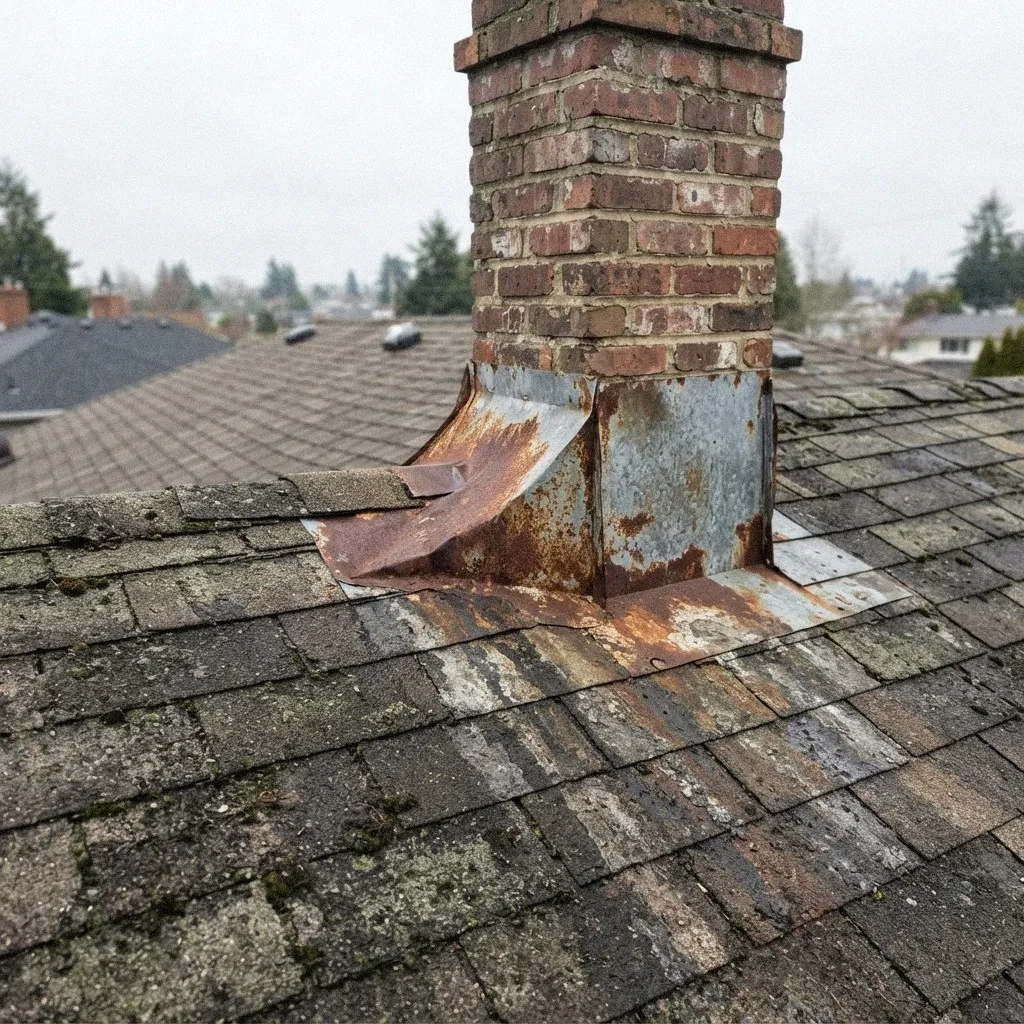
Curling limited to one section, such as near a valley by Chumash Park-style terrain or close to flashing around a chimney, usually points to a local moisture source rather than a roofwide issue. A slow flashing leak or a valley that has collected debris after a Santa Ana wind event can keep that one area wetter than the rest of the roof, producing curling that looks isolated because the cause is isolated too.
Matching The Pattern To A Fix
None of this substitutes for a close look. Cupping near Bridle Path, clawing above the Community Center, or a soft patch on a roof in Wood Ranch can all trace back to different causes even when they look similar from the street. A trained eye up on the roof, checking mat condition and how it lines up with attic heat and layering underneath, is what actually separates one curling pattern from another.
Dealing with this in your home?
Simi Valley roofs face a different clock than shaded lots elsewhere. Tract homes off Erringer Road and near Rancho Simi Community Park sit exposed under direct sun for decades, with Santa Ana winds testing every loose tile between First Street and the Santa Susana foothills. Red flag warning days push that timeline faster than most homeowners expect.