A roof claim in Simi Valley almost always comes down to one distinction: did something happen on a single day, or did the roof wear down over years of valley heat and Santa Ana wind. That distinction decides whether an insurer pays or points to the policy's exclusions. Homeowners near Wood Ranch or Bridle Path file for the same reason as anyone else in the city, but the paperwork treats a windstorm and a slow decline very differently from the start.
Defining a Covered Peril
A covered peril is a named event in the policy, something specific enough to point to, like a wind gust that lifts tile off a roof near Tapo Canyon or a branch that comes down during a Santa Ana wind event. It is not a general category like weather or age. The policy lists which perils it covers, and the claim has to fit inside one of those named events to move forward at all.
The Weight of a Date
The date of loss ties damage to one identifiable day rather than a season of exposure. A homeowner near Rancho Simi Community Park who can point to the afternoon a red flag warning day brought high wind through the neighborhood has something concrete to file against. Without that anchor date, an adjuster has no event to inspect for, and the claim starts to look like ordinary aging instead of a single loss.
What Sudden and Accidental Means
Sudden and accidental separates a one-time occurrence from a slow decline. A limb snapping off a tree near Arroyo Simi during a wind event is sudden. Tile that has cracked bit by bit across twenty summers of valley heat is not, even though the homeowner may only notice the leak on one particular day. The phrase describes when the damage happened, not when it was discovered.
Reading Gradual Deterioration
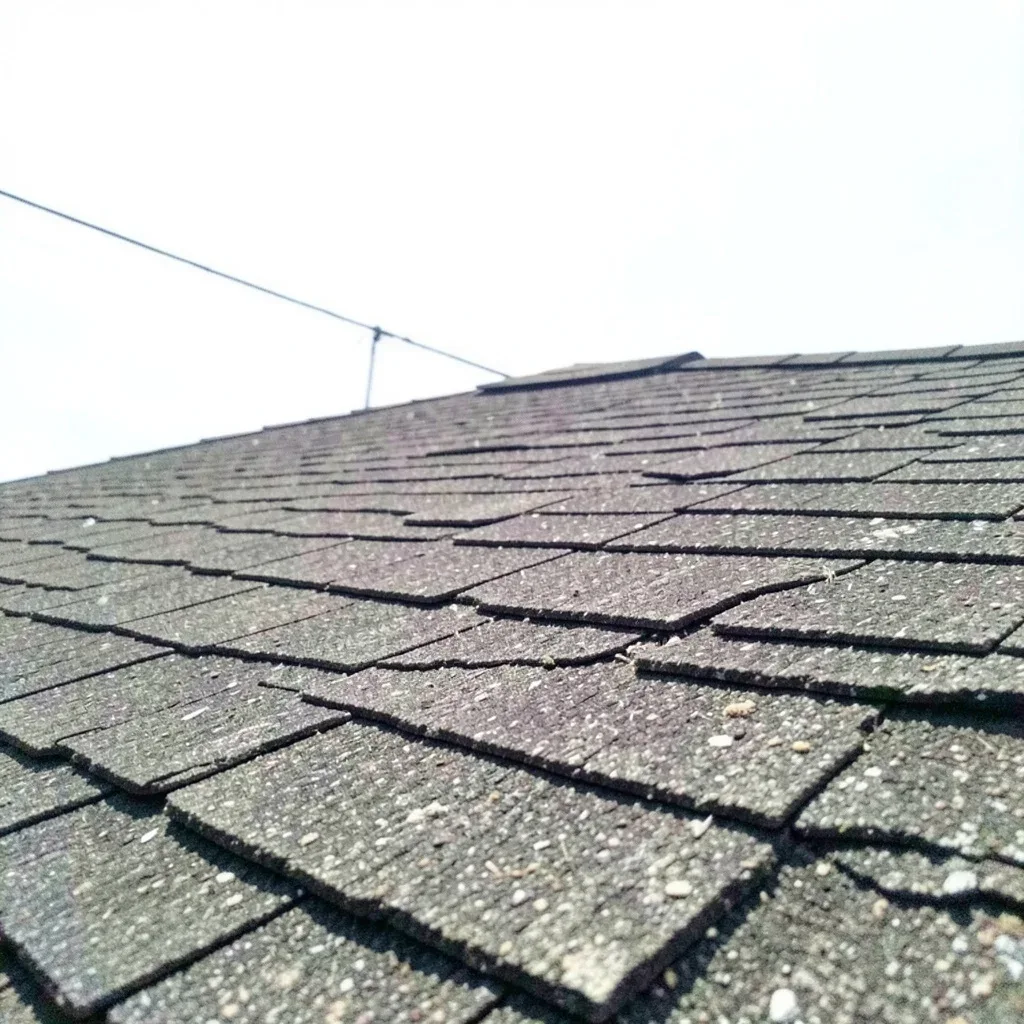
Gradual deterioration is damage that accumulated without any single triggering event. Brittle underlayment from repeated sun exposure, tile that has slowly slipped out of alignment near a hillside lot in Wood Ranch, or granule loss on an aging shingle roof all build up over years rather than happening in one afternoon. An adjuster looking at this kind of damage sees a pattern spread evenly across the roof, not a single point of impact tied to one day.
The Maintenance Exclusion
Insurers in Simi Valley draw the line at a date of loss. A covered peril, like a windstorm that swept through the Santa Susana Pass on a known day, points to sudden and accidental damage. A roof that has simply spent twenty summers under Santa Ana sun and valley heat points the other way, toward gradual deterioration, which most policies exclude regardless of how bad the roof looks now.
Functional vs. Cosmetic Damage
Maintenance exclusions come up often on tract homes near Wood Ranch or Bridle Path, where tile roofs sit untouched for years. If debris from a Santa Susana Mountains wind event piled up in a valley and was never cleared, and that buildup eventually let water through, the insurer may argue the homeowner had time to catch it. That argument is about upkeep, not about whether a storm happened.
Why Age Doesn't Decide It
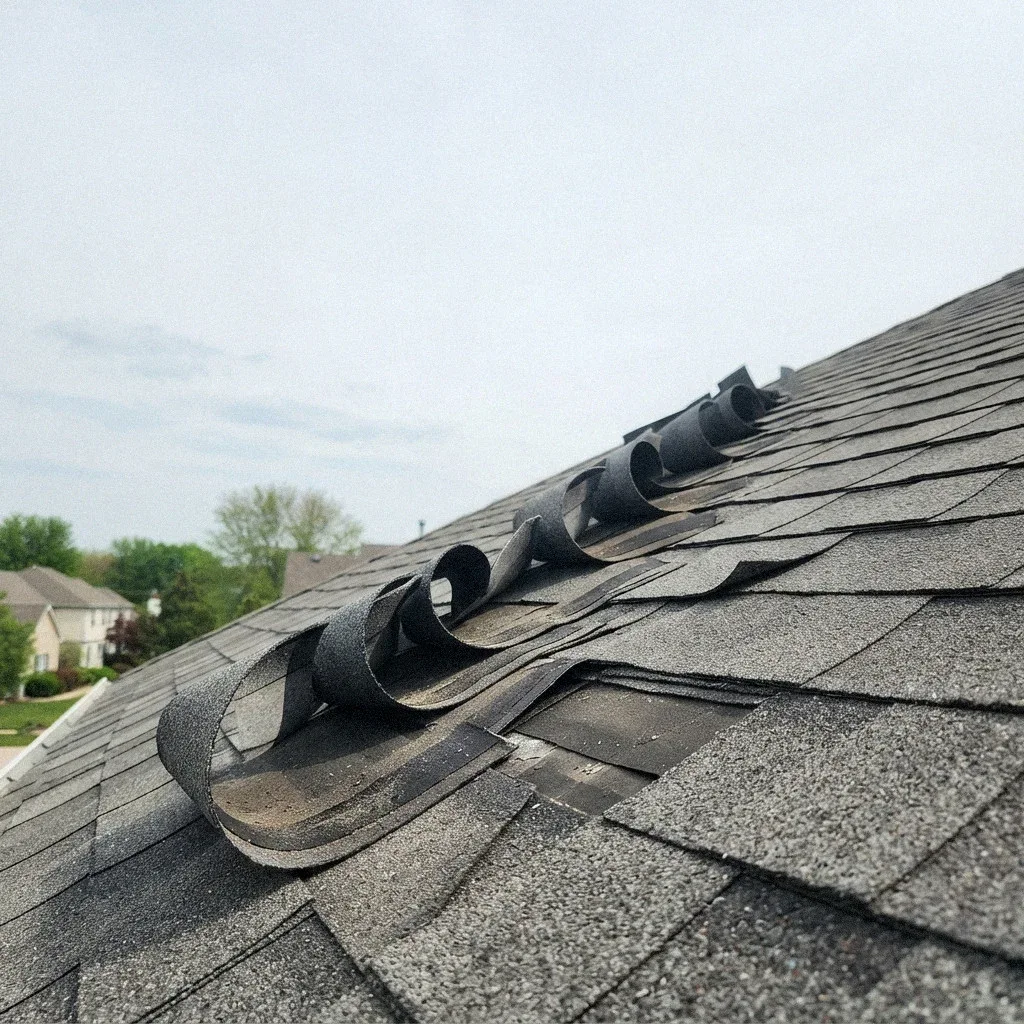
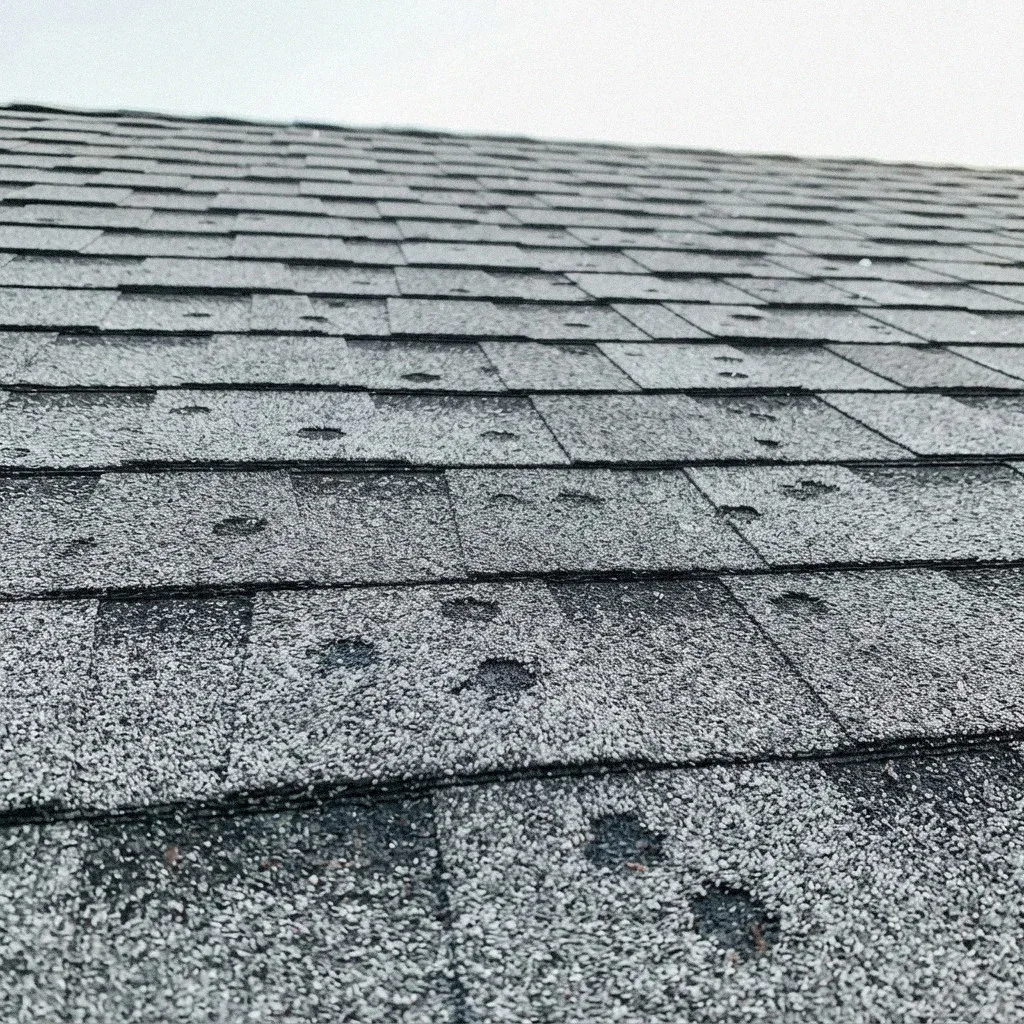
A hail bruise or a wind crease that snapped a tile edge changes what water does on the roof, so adjusters call that functional. A faded ridge cap or streaked tile on a hillside lot in Wood Ranch that still sheds rain fine is cosmetic, and cosmetic damage on its own rarely gets paid out even when it looks rough after a red flag warning day.
What an Inspection Checks For
During an adjuster inspection, the inspector reads the roof for consistency with a claimed event: a clean break at the point of impact, damage concentrated on the slope that faced the wind, or a tear that matches the day in question. A scope of loss built from that inspection lists exactly what's damaged and why, and it's this document, not the homeowner's account alone, that carries the claim forward or stalls it.
How Depreciation Applies
In Simi Valley, an adjuster walking a roof near Rancho Simi Community Park or a hillside lot toward the Santa Susana Knolls is looking for a pattern that matches one afternoon, not twenty years. A torn ridge on the windward slope, debris still lodged from that day, a scope of loss that lines up with a dated weather event. Scattered wear across the whole roof tells a different, older story.
What Makes a Claim Hold Up
The strongest claims carry a specific date, a named cause, and functional damage that clearly followed from it, like tile broken during a documented wind event near Tapo Canyon. The weakest are built on a leak discovered one day with no event behind it, just years of gradual wear reaching a breaking point. Knowing which side of that line a roof falls on before filing changes how the claim gets read from the first inspection.
Before Filing, Know the Line
Sorting sudden damage from gradual wear before a claim goes in gives a Simi Valley homeowner a clearer sense of what to expect. It doesn't guarantee a payout, and it doesn't replace what an adjuster inspection will find on the roof itself. But knowing whether the damage traces to one day or to years of valley sun changes how the conversation with an insurer starts, and that's worth understanding before the call gets made.
Dealing with this in your home?
Simi Valley roofs face a different clock than shaded lots elsewhere. Tract homes off Erringer Road and near Rancho Simi Community Park sit exposed under direct sun for decades, with Santa Ana winds testing every loose tile between First Street and the Santa Susana foothills. Red flag warning days push that timeline faster than most homeowners expect.