Condos & HOAs
Condo & HOA Roofs
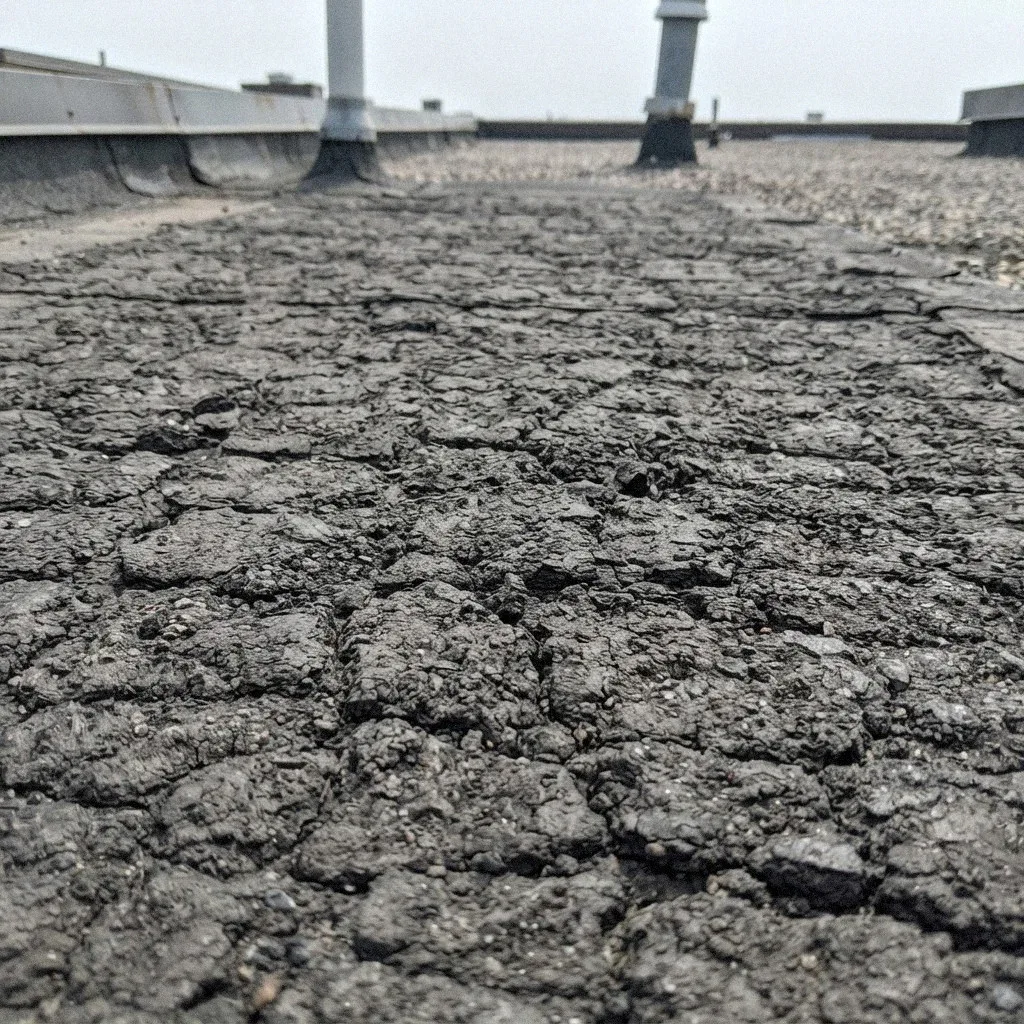
Summer-window reroofing phased by wing, planned around board approval and the reopening deadline.
School and campus roofing in Simi Valley runs inside the summer work window, phased by wing across a multi-year roof plan, and closed out before the reopening deadline.
Simi Valley Unified sites and the private campuses scattered through Wood Ranch and the Community Center area share one constraint: the roof crew only gets the building when the building is empty. That means the summer work window, roughly the ten to twelve weeks between the last bell and the reopening deadline, carries almost every reroof and repair for the year. A leak found in March at a Tapo Canyon Road campus waits for June, not because it is minor but because there is nowhere to stage ladders and torn-off tile around a full parking lot and a working bus loop.
A district weighing several aging campuses at once rarely tackles them as one project. The work gets phased by wing, so a gymnasium roof section might get replaced one summer while the library and media room interior waits two years for its turn, and a row of classroom wings further out waits longer still. Simi Valley's tract-era school buildings, many original to a district built out alongside the housing boom, share roofs old enough that several wings are due at once, which forces this kind of sequencing rather than allowing it.
Sequencing by wing also spreads the disruption. Custodial coordination gets easier when only one section of a Simi Valley campus is torn open at a time, since the rest of the building keeps running normal traffic patterns near the playground and drop-off lanes. A district near the Santa Susana Pass side of town or closer to Erringer Road faces the same layout problem: buildings sized for a single summer's crew, not a whole campus at once.
The wing that goes first is usually the one with the clearest failure signs rather than the one that is simply oldest. A flat-roofed cafeteria wing holding standing water after a winter storm, or a gymnasium roof section with flashing that has separated at the parapet, tends to jump the line ahead of a wing that is merely dated but dry. Mapping that condition across a Simi Valley campus before the procurement schedule locks in is what keeps the multi-year roof plan honest instead of arbitrary.
That mapping has to happen with enough lead time to feed whatever purchasing process the district runs, since materials for a school reroof are rarely something a supplier has sitting on a shelf in the quantity a whole wing needs. A procurement schedule built around guesswork instead of an actual walk of the roof tends to order the wrong quantity or the wrong detail for a parapet that turns out to need more flashing than planned, and by the time that shows up it is often too late in the summer to fix without pushing past the reopening deadline.
| Area | Priority | Timing Note |
|---|---|---|
| How much fits in one break | One building, one summer | Several wings, several summers |
| Approval lead time | Weeks ahead of work | Board approval months ahead |
| Site access control | One fenced zone | Fenced zone moves wing to wing |
| Occupancy during work | Building fully empty | Some wings may be in session |
| Bus loop and playground | Clear of staging entirely | Held for the following summer if needed |
| Administration wing | Staff present during shoulder weeks | Worked first or last, not mid-summer |
| Cafeteria roof section | Kitchen equipment below, moisture-sensitive | Coordinated around summer meal programs |
| Portable classroom roofs | Faster turnaround, lower staging need | Often the flex slot if schedule slips |
None of this gets decided in the weeks before summer break. A district usually locks in which wing goes next well ahead of the work itself, often while the prior winter's storms are still fresh evidence for why a particular section needs to move up the list. That decision has to travel through whatever approval process the district runs before a contract gets signed, and a Simi Valley campus competing for the same funding cycle as paving or HVAC work does not get to skip that step just because a roof is leaking.
Facilities staff juggling a Simi Valley campus against Moorpark or Thousand Oaks district timelines are often working from a list that ranks every capital need against every other one, not just roofs. A roof section that clearly needs attention can still lose its place in line to a boiler replacement or a parking lot repaving if the paperwork supporting it arrives late or incomplete, which is why the roof case has to be built with real numbers and real photos well before anyone expects the crews to show up.
Waiting until spring to start that process usually means missing the summer entirely, since a contractor also has to fit a school job into a calendar full of other properties trying to use the same short window. A district near Tapo Canyon or closer to the Arroyo Simi channel that starts the conversation in fall or early winter gives itself room to get quotes, settle on scope, and still land a contractor before every other campus in the county is booked for the same ten weeks.
Keeping the work zone away from students and staff on an active Simi Valley campus is its own kind of planning even in summer, since a fence line has to run somewhere that does not cut across the everyday paths people use for drop-off, deliveries, or the playground equipment kids might still use during a break program. A crew working a wing near Erringer Road or Cochran Street has to route material lifts and dumpster placement around whatever gates and walkways the district still needs open, not just wherever is closest to the roof.
Torn-off tile, old flashing, and pallets of new material all need a spot that keeps a work zone contained without blocking a fire lane or a route buses still use for summer programs. On a campus laid out with a gym on one side and classroom wings on the other, that often means staging sits on a back lot or a section of parking that would normally be full during the school year, chosen specifically because it is far from where anyone walking the property is likely to be.
A Simi Valley campus is almost never completely shut down even in July. Summer school sections, sports camps, or district maintenance staff working elsewhere in the building mean a reroof crew is sharing the property with people who have every reason to expect the rest of campus to function normally. That coexistence has to be worked out ahead of time with whoever runs the building for the summer, not discovered on the first morning a crew shows up with a lift and a dumpster parked near the entrance.
Debris containment matters more on an occupied campus than it would on an empty building, since loose nails, torn underlayment, or dust from tile work can end up somewhere a camp group walks through if nobody is tracking it. Coordinating with custodial staff on which doors stay open, when deliveries can cross the lot, and how noise gets managed around whatever summer activity is running keeps a Simi Valley reroof from turning into a daily negotiation once work is already underway.
Every Simi Valley school roof job runs against one fixed date: the morning students walk back in. Getting there means the punch list has to close out completely, not just the visible roof work, but flashing details around vents, gutter and downspout checks after the first real rain test, and confirmation that anything moved off a playground or parking area during the job has gone back where it belongs. There is no partial credit for a roof that looks finished from the ground but still has loose ends underneath.
A punch list still open when the buses start running again creates a different kind of problem than a delayed home job would. Contractors, materials, and equipment competing for space with arriving students and staff is not a workable arrangement, and a district that has spent months lining up a procurement schedule and a summer contractor does not want that effort undone by a roof crew still finishing details into the first days of the school year near a Simi Valley campus.
Closeout on a Simi Valley campus wing means walking the punch list before Simi Valley Unified reopens the doors, not after. Flashing gets checked against Erringer Road-facing parapets, drains get run with a hose, and debris gets swept clear of the bus loop and any play area before custodial staff wax floors for the new year. A wing still under tarp on the first day of school is the outcome every phase plan is built to avoid.
Cool roof requirements under Title 24 change what a straightforward tile or shingle replacement involves, since compliant materials and reflective coatings aren't always a like-for-like swap for what's already up there. A homeowner planning a reroof should ask early whether the current roof type still meets current code before assuming a simple swap.Bridle Path, Big Sky and Santa Susana. Red flag warning days matter for more than evacuation planning. Wind-driven embers find any gap in aging roof material, which is why ember-resistant details at vents and edges matter as much as the roofing itself on older homes.
Ask what a quote actually covers before agreeing to anything. Underlayment, flashing, and attic ventilation affect how long a roof lasts as much as the surface material does. The licensed pros we connect you with can walk through each part of the job so you know what you're paying for and why.A fair number depends on what your roof actually needs, and that shows up only on the shingles or tile themselves. A property near Erringer Road or a hillside lot close to the Santa Susana Mountains may need different flashing work than a flat tract roof elsewhere in Simi Valley, so the licensed pros we connect you with price after a real look, not a guess. pricing guide, and the commercial overview covers how a scheduled program works.
Condo & HOA Roofs
Commercial Roofing
Industrial Roofing
Campuses near Cochran Street or Royal Avenue are usually only fully open to roofing crews from early June through mid-August, once students clear out and before staff return to set up classrooms. Outside that window, work has to shrink to smaller sections or wait a full year, since a district won't displace classes or reroute the bus loop mid-semester for a reroof.
Often, yes. A campus with several wings and a gym rarely gets fully redone in one Simi Valley summer, so the work gets split across two or three years, one wing or building at a time. That keeps the school open every fall while the roof gets replaced in pieces instead of forcing a longer, disruptive shutdown.
Board approval and procurement for a Simi Valley Unified reroof typically get worked out in winter or spring meetings, months before any crew shows up in June. Budget sign-off, contractor licensing checks against the CSLB C-39 classification, and bid award all have to clear before the school year ends, so the summer itself is just the execution window.
Fenced perimeters keep pallets of tile, ladders, and dumpsters off the bus loop and playground blacktop at Simi Valley campuses, even in summer when a district might run a short session nearby. Crews coordinate drop times with custodial staff so deliveries never cross a path students or buses use.
Ask the licensed pros we connect you with to plan your summer reroof around board approval and the reopening deadline.
Call (805) 463-1431