Condos & HOAs
Condo & HOA Roofs
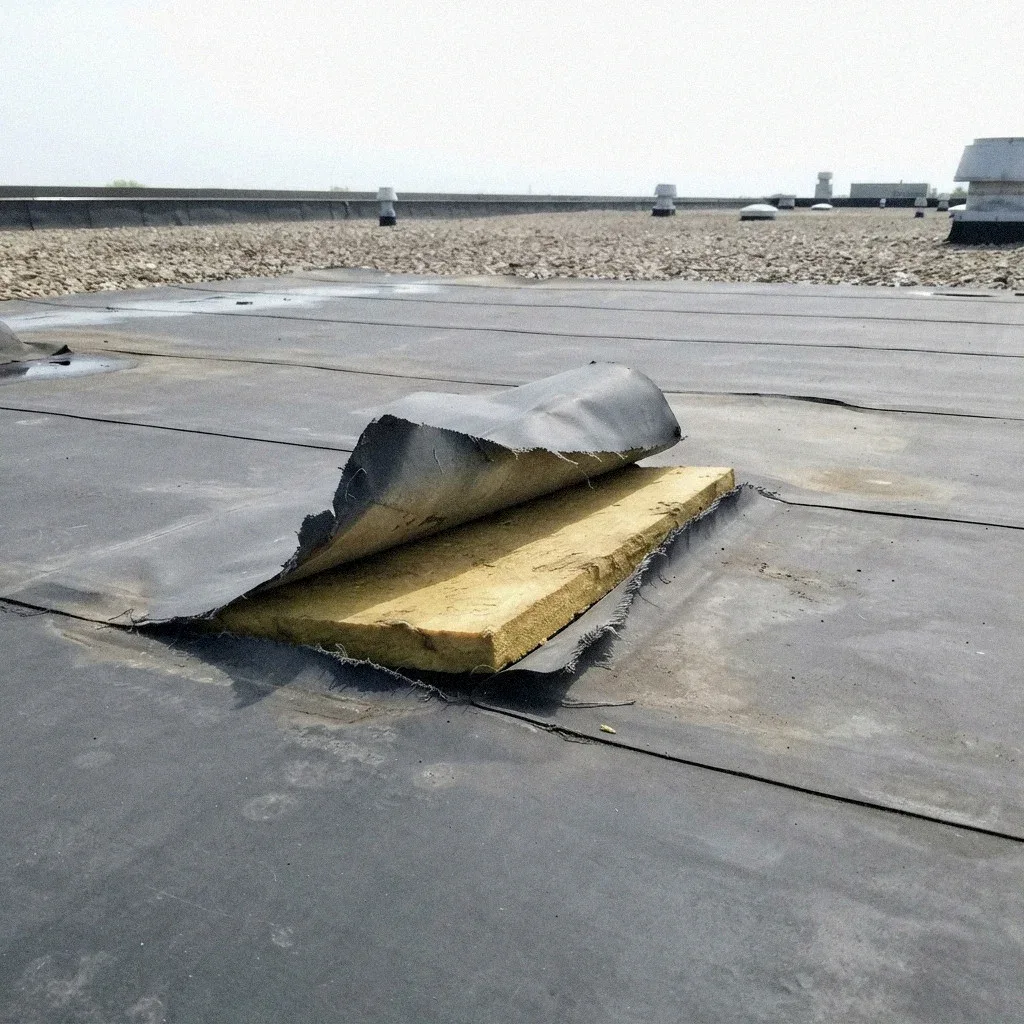
Roof repair scheduled around patients, air intakes, and equipment that has to stay running.
Medical and dental roof work in Simi Valley calls for infection control coordination, low-odor or cold-applied materials to keep fumes out of rooftop air intakes, and scheduling around imaging equipment and patient hours.
A medical or dental office in Simi Valley runs on appointments that cannot simply be pushed back a day. Patients are booked in blocks, and a delayed roof repair near Cochran Street or along Los Angeles Avenue can back up a whole afternoon schedule fast. Continuous occupancy is the fact that shapes every decision here. A tract home reroof near Wood Ranch can sit half-finished overnight without anyone noticing. A dental office cannot.
Facilities coordination has to happen before any material reaches the roof. A practice off Erringer Road or near Tapo Street typically has infection-control rules covering dust, airflow, and access that a standard commercial job never has to think about. Those rules decide when crews can be on site, which doors stay sealed, and how debris moves off the roof without drifting into a hallway full of waiting patients.
None of that coordination is improvised once a crew shows up. The building's layout, where any imaging equipment sits, and the practice's actual patient hours all get worked out with the office manager first. A Simi Valley clinic near Alamo Street runs differently than one near Madera Road, and the plan for each has to match how that specific building operates day to day.
Rooftop air intakes are the detail that turns a routine reroof into something that needs real planning. Adhesives and hot-applied materials give off fumes, and if an intake sits anywhere close to the work area, that odor gets pulled straight into the exam rooms below. On a building near Erringer Road or Sycamore Drive, that intake placement gets checked before a single bucket of adhesive is opened.
That risk is why low-odor and cold-applied systems come up early when bidding medical buildings in Simi Valley, not after the fact. A cold-applied system skips the fumes that a hot-applied one produces, which matters directly to a patient sitting in an exam chair one floor below. Choosing that system before work starts avoids having to stop mid-project once someone smells adhesive indoors.
| Space Type | Occupancy Risk | Roofing Approach |
|---|---|---|
| Patient exam rooms | Low-odor materials, daytime coordination | Fumes travel through intakes fast |
| Imaging suite below roof | Vibration-limited scheduling | Cure schedule must clear before reopening |
| Air handling intakes on roof deck | Cold-applied sealants over torch-down | Keeps fumes from reaching exam rooms |
| Imaging suite directly below deck | Vibration-dampened fastening, no impact drilling | Scan equipment is sensitive to jarring |
| Rooftop condensers serving surgical suites | Sequenced work, one unit at a time | Cooling can't drop during procedures |
| Patient parking and building entrances | Staged loading away from walk-up paths | Keeps arriving patients clear of material drops |
| Waiting room directly under work area | Off-peak scheduling between appointment blocks | Noise carries into rooms during exams |
| Flashing repairs near mechanical penetrations | Hot work permit filed with facilities first | Open flame near a running building needs sign-off |
Vibration is the other constraint that a standard commercial roof job does not have to account for. Tear-off, fastening, and moving equipment around send vibration down through the deck, and near a procedure room or an area where imaging equipment is in use, that vibration is not just an annoyance. It can interrupt a scan or unsettle a patient mid-procedure, which is not something a schedule can absorb.
Simi Valley medical suites near Rancho Simi Community Park or along Los Angeles Avenue often run exam schedules back to back, so the contractor sequences the loudest cutting and fastening in blocks facilities approves ahead of time, not whenever the crew arrives. That means walking the space below the roof line first, confirming which rooms sit under which section, and setting a start time that does not collide with a full waiting room.
None of that gets figured out once the crew is already on the roof. The floor plan, where any patient room or imaging suite sits directly below, and the hours the office actually sees patients all get mapped out with facilities staff ahead of time. A practice near Tapo Canyon Road plans this differently than one closer to the Arroyo Simi channel, based on how its rooms are laid out.
Roof-mounted equipment on a Simi Valley medical or dental building is rarely something facilities can power down for the day. Condensers, dedicated exhaust for procedure rooms, and refrigeration for vaccines or lab samples keep running through the whole job. Rather than disconnecting anything, the plan protects it in place, working around active units instead of asking a clinic near Cochran Street or Erringer Road to lose power mid-appointment.
A facilities manager overseeing this kind of job near Cochran Street or Kuehner Drive needs a written answer on which units stay running through the work and which can handle a short pause. Temporary barriers get built around anything that stays live, keeping debris and foot traffic away from equipment that a practice cannot afford to have knocked offline mid-shift.
Hot work permits carry more weight on a medical building than on a typical commercial roof, since torch-applied material or an open flame near patient rooms, oxygen lines, or lab storage raises the stakes if anything goes wrong. Facilities has to sign off before a torch touches the roof, and a fire watch stays on site for the duration, the same as it would on any occupied building where evacuation is not a simple option.
Cold-applied and low-odor systems remove that pressure entirely, since no open flame means no permit, no fire watch, and no smoke alarm risk near a full clinic. For a Simi Valley practice that cannot afford a false alarm pulling patients out mid-procedure, skipping hot work is often the simpler call, even if the material costs a little more up front than a torch-down alternative.
Simi Valley's short, intense winter storm season is still the reason most of this roof work gets scheduled at all. A medical office near Wood Ranch or Bridle Path faces the same hard, brief rain events as any other building in the valley, but a leak reaching an exam room or equipment closet carries a different cost than one reaching an empty office. Timing repairs around dry stretches matters more here.
Odor control matters just as much as getting the repair done. Rooftop air intakes on buildings near Sinaloa Lake or along First Street can pull adhesive fumes straight into occupied space if the work plan does not account for wind direction and intake placement. That's a detail the licensed pros we connect you with check before setting up, not something addressed after a complaint comes in.
A dental practice near the Downtown/Los Angeles Avenue corridor or a clinic serving Wood Ranch families cannot pause treatment because the roof needs attention. Continuous occupancy changes the plan itself, not just the schedule. Rooftop air intake locations get mapped against the work area first, exam rooms stay staffed, and materials get chosen so fumes never reach a waiting room full of patients on a warm Simi Valley afternoon.
Red flag warning days do more than raise fire risk — sustained wind loosens ridge caps and lifts tile edges that then crack under foot traffic during the next repair. A property owner who waits for a visible leak after a windy stretch is usually looking at damage that started weeks earlier and went unnoticed.East Simi Valley, West Simi Valley and Wood Ranch. Roofs here fail at the edges before the field does. Santa Ana wind lifts loose tile and shingle tabs first, then sun-baked sealant along flashing gives way, and gutters packed with dry debris push water sideways under the eaves instead of off the roof. Inspecting those edge points before a red flag warning day catches most problems while they are still cheap.
Ask what a quote actually covers before agreeing to anything. Underlayment, flashing, and attic ventilation affect how long a roof lasts as much as the surface material does. The licensed pros we connect you with can walk through each part of the job so you know what you're paying for and why.A fair number depends on what your roof actually needs, and that shows up only on the shingles or tile themselves. A property near Erringer Road or a hillside lot close to the Santa Susana Mountains may need different flashing work than a flat tract roof elsewhere in Simi Valley, so the licensed pros we connect you with price after a real look, not a guess. pricing guide, and the commercial overview covers how a scheduled program works.
Condo & HOA Roofs
Commercial Roofing
Industrial Roofing
Work over an occupied Simi Valley clinic usually means low-odor or cold-applied systems, rooftop air intakes sealed or rerouted away from the work zone, and the loudest phases pushed to hours when the office is closed. Facilities coordination happens before materials arrive, not after, so patient rooms and waiting areas stay unaffected while the roof gets replaced or repaired overhead.
Cold-applied systems and low-odor adhesives limit what escapes into the building, but odor migration also depends on where rooftop air intakes sit relative to the active work area. A plan that maps intake placement against the roof section being worked, and times the strongest-smelling steps for closed hours, controls fumes better than material choice alone.
Yes. A Simi Valley medical or dental office needs infection control worked into the schedule before anyone climbs onto the roof, not decided on site. The licensed pros we connect you with coordinate entry points, protective coverings, and timing with facilities staff so dust and debris stay away from patient areas and sterile supply rooms.
Rooftop equipment serving a Simi Valley medical building often runs procedure rooms or refrigeration that can't go offline mid-day. Rather than disconnecting anything, the crew sets temporary barriers around that equipment and works the roof sections around it. The unit keeps running, patients inside keep getting seen, and the roof work moves around both.
Tell the licensed pros we connect you with your clinic's appointment schedule and rooftop equipment layout before any work gets booked.
Call (805) 463-1431